CM Yogi cites Mark Twain on Kashi's ancient heritage
Synopsis
Uttar Pradesh CM Yogi Adityanath quoted Mark Twain on Kashi as older than history and more ancient than tradition, reviving a famous 1890s tribute to Varanasi.
Key Takeaways
Uttar Pradesh Chief Minister Yogi Adityanath posted on 28 November 2026 recalling Mark Twain on Kashi.
He said Twain described Kashi as older than history and more ancient than tradition.
Twain visited India in the 1890s and wrote about Varanasi, then called Benares, in Following the Equator.
Kashi, or Varanasi, is among the world's oldest continuously inhabited urban centres.
The Chief Minister has periodically shared literary and historical references to Varanasi as cultural messaging.
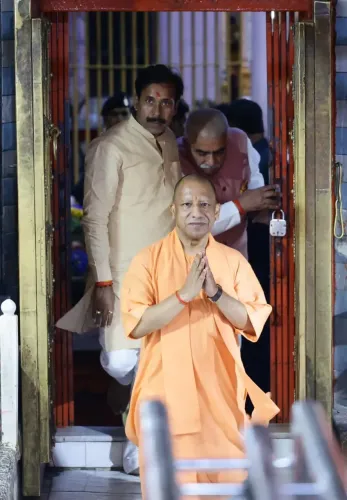
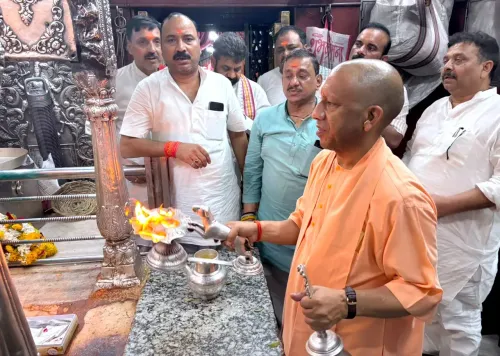
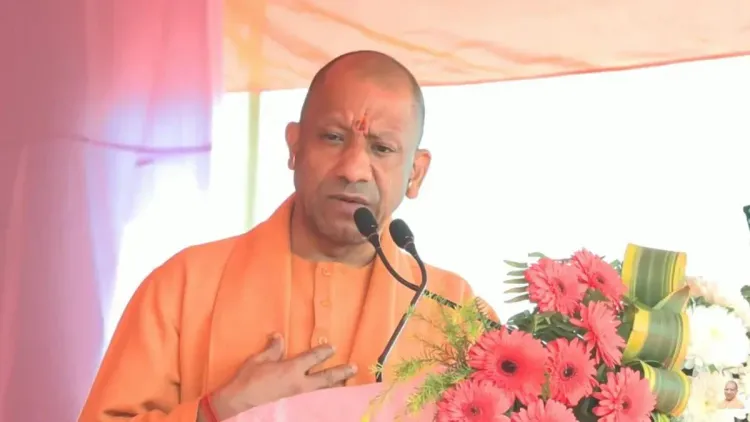
The post was accompanied by a video and did not announce a new scheme.
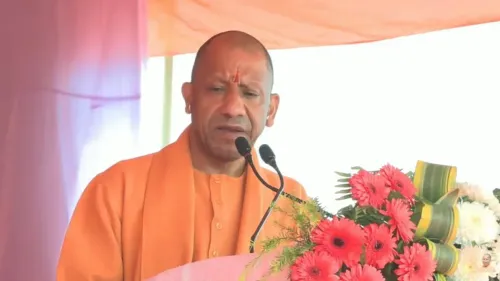
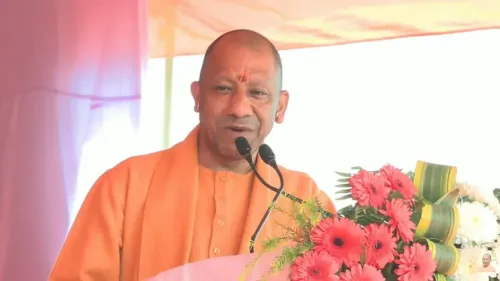
Uttar Pradesh Chief Minister Yogi Adityanath reached for a 19th-century American voice to name what Kashi still claims to be: a city older than history and more ancient than tradition. On 28 November 2026 he posted the line on X, pairing it with a video, and put Varanasi back at the centre of the state's cultural conversation.
Writing in Hindi, he recalled: Kashi ke bare mein ek baar Mark Twain ne kaha tha ki yeh itihas se bhi purani hai aur parampara se bhi prachin hai (Once Mark Twain said about Kashi that it is older than history and more ancient than tradition).
Twain's 1890s portrait of Benares
The American author, born Samuel Langhorne Clemens, travelled through India in the 1890s and wrote about Varanasi — then widely called Benares — in his travel book Following the Equator. The description the Chief Minister evoked is among the most repeated foreign tributes to the city: older than history, older than tradition, older even than legend.
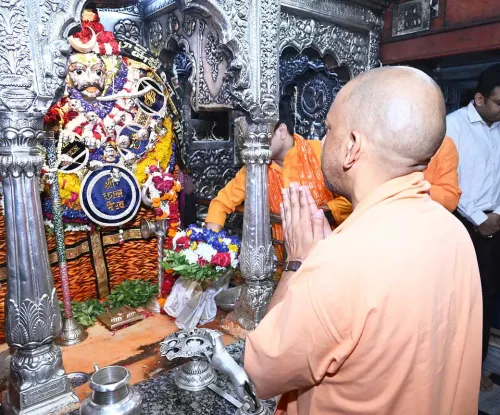
Kashi is still counted among the world's oldest continuously inhabited urban centres, a living pilgrimage city on the Ganga rather than a ruin behind glass. Twain's sentence survives because it matches what visitors still feel on the ghats: time stacked so deep it no longer behaves like a calendar.
Yogi's recurring literary nods to Varanasi
Yogi Adityanath, who also heads the Gorakhnath Math, has periodically shared historical and literary references to Varanasi on social media. Those posts sit inside routine cultural messaging from the Uttar Pradesh government that treats Kashi as both a sacred capital and a draw for heritage tourists from India and abroad.
The latest reminder does not announce a new scheme. It recites a famous outsider's awe and leaves the city's claim standing in public view.
A line written by a visiting novelist more than a century ago still introduces one of India's oldest living cities — and the Chief Minister is content to let Twain do the talking.
Point of View
So a Twain quote is never only literary. Reciting a globally known 1890s tribute lets the government talk about antiquity without a policy circular. Yogi Adityanath has used this register before: short historical fragments about Kashi, aimed at pride and visitors rather than a new law. The test is whether a tourism or conservation beat follows, or whether the line remains a standalone cultural note.
NationPress
28 Nov 2026
Frequently Asked Questions
What did Mark Twain say about Kashi or Varanasi?
Mark Twain described Varanasi, then known as Benares, as older than history and more ancient than tradition. Uttar Pradesh Chief Minister Yogi Adityanath recalled that tribute in a post on X.
When did Mark Twain visit India and write about Varanasi?
He travelled through India in the 1890s and wrote about the city in his travel book Following the Equator, where Benares appears as a place older than history and tradition.
Is Kashi the same city as Varanasi?
Yes. Kashi is the ancient name for Varanasi in Uttar Pradesh, a major Hindu pilgrimage city on the Ganga and one of the world's oldest continuously inhabited urban centres.
What did CM Yogi Adityanath post about Mark Twain?
On 28 November 2026 he wrote in Hindi that Mark Twain once said Kashi is older than history and more ancient than tradition, and he shared a video with the post.
Who is Yogi Adityanath?
He is the Chief Minister of Uttar Pradesh and a BJP leader, and he heads the Gorakhnath Math. He has periodically posted historical references to Varanasi.