CM Yogi on Gau Mata and Ganga: 'A Spontaneous Devotion'
Synopsis
Chief Minister Yogi Adityanath, speaking via the official UP CMO account on 1 June 2026, described reverence for the cow and the Ganga as a spontaneous cultural sentiment, reflecting the UP government's consistent alignment of governance with Hindu cultural symbols.
Key Takeaways
CM Yogi Adityanath stated on 1 June 2026 that regarding the cow and the Ganga as mother figures is a 'spontaneous' cultural feeling, not a political construct.
Uttar Pradesh amended its cow slaughter prohibition laws in 2018 and 2021 to strengthen enforcement.
The state is a key implementing partner under the central government's Namami Gange programme, launched in 2014 .
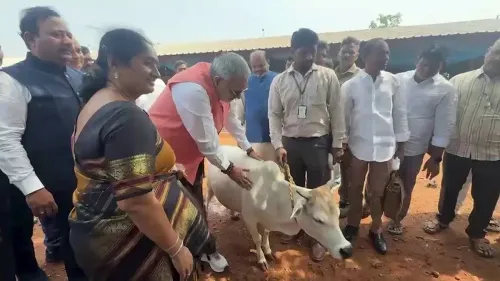
Hundreds of state-supported gaushaalas operate across Uttar Pradesh to shelter stray and abandoned cattle.
The remarks were shared with a video from the official CMOfficeUP account on X .
Budget allocations for cow shelters and Ganga tributary projects in the next fiscal cycle will be a key indicator of follow-through.
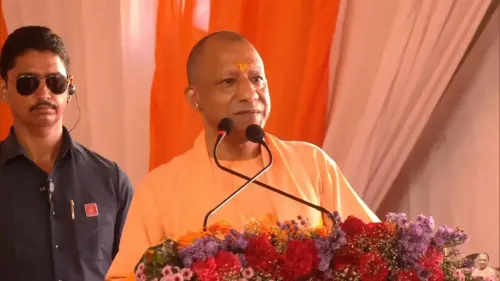
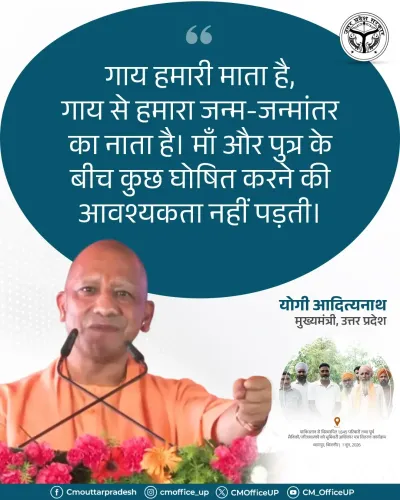
The Chief Minister's Office of Uttar Pradesh shared a statement by Chief Minister Yogi Adityanath on Monday, 1 June 2026, affirming the deeply held cultural reverence for the cow and the Ganga as mother figures in Indian tradition.
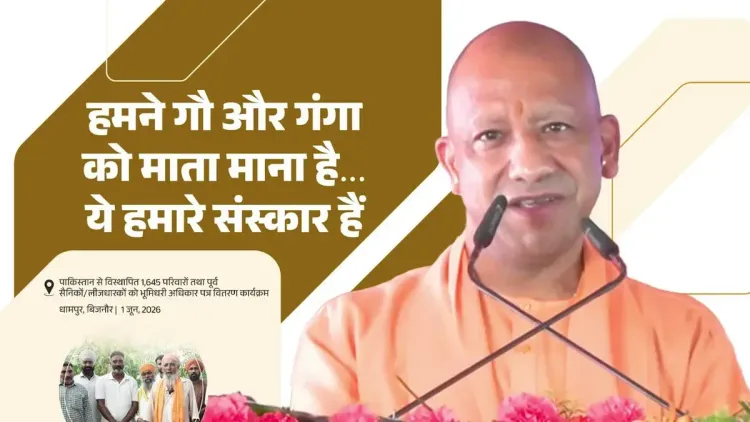
Speaking in Hindi, CM Yogi Adityanath said: 'यह स्वतःस्फूर्त भाव है... हमने गौ को माता माना है, गंगा को माता माना है।' — translated as: 'This is a spontaneous feeling... we have regarded the cow as mother, we have regarded the Ganga as mother.' The remarks underscore the cultural and spiritual framework that has consistently informed the Uttar Pradesh government's public messaging and policy priorities.
Context
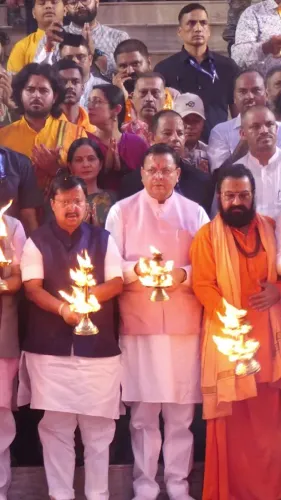
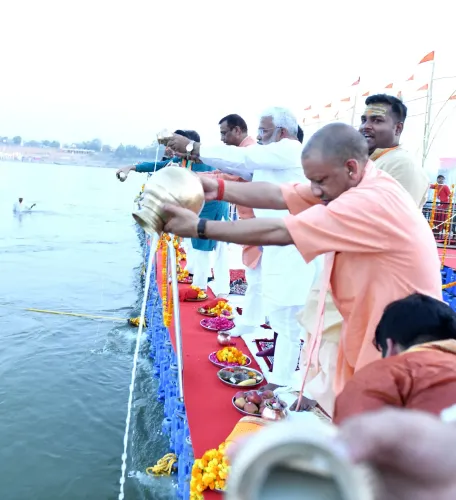
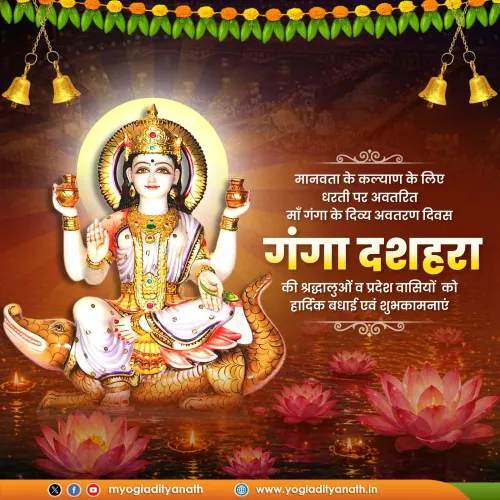
The statement draws on a tradition of reverence that is central to Hindu religious and cultural life across northern India. The cow holds a sacred status in Hindu scripture and practice, while the Ganga — flowing through the heart of Uttar Pradesh — is venerated as a goddess. CM Yogi's framing of this devotion as 'spontaneous' positions it not as a policy directive but as an expression of organic cultural sentiment. The post, shared from the official CMOfficeUP account on X, carries a video, suggesting the remarks were drawn from a public address or media interaction, though the specific occasion has not been identified in the post.Policy Backdrop
Uttar Pradesh has backed this cultural sentiment with legislative and administrative action. The state strengthened its cow slaughter prohibition laws through amendments in 2018 and 2021, making enforcement more stringent. Hundreds of government-supported gaushaalas (cow shelters) have been established across the state to provide for stray and abandoned cattle. On the river front, Uttar Pradesh has been a key implementing state under the Namami Gange programme — the central government's flagship Ganga rejuvenation mission launched in 2014. The scheme has directed significant funds toward sewage treatment, riverbank development, and reducing industrial effluents along the river's course through the state.Stakeholders and Impact
The statement resonates with a broad base of Hindu devotees and rural livestock keepers across Uttar Pradesh, a state with one of the largest cattle populations in India. For farming communities, cow protection policies have both cultural and economic dimensions — affecting livestock trade, dairy livelihoods, and access to state-run shelter facilities. For Ganga-dependent communities — from fishermen and farmers to pilgrims visiting sites such as Prayagraj, Varanasi, and Haridwar — the government's rhetorical and programmatic commitment to the river carries tangible significance. BJP-led state governments have periodically aligned administrative priorities with cultural reverence for both the cow and the Ganga, integrating religious sentiment into welfare schemes and public communication since 2014.What's Next
Observers will watch the Uttar Pradesh state budget's allocations for cow shelters and Ganga tributary conservation projects in the next fiscal cycle. Any related legislative proposals or expanded scheme announcements would signal how far the government intends to translate this stated cultural sentiment into new administrative commitments. CM Yogi's remarks, framed as a matter of spontaneous devotion rather than political calculation, are likely to reinforce the broader governance narrative linking cultural identity with public welfare in one of India's most politically consequential states.Point of View
Lending it a moral legitimacy beyond electoral calculation. The statement fits a consistent pattern since 2014 in which BJP-led governments in northern India have woven cultural symbolism into administrative identity. With Uttar Pradesh remaining the most electorally significant state in India, such messaging carries weight well beyond its ceremonial surface.
NationPress
25 Sept 2026
Frequently Asked Questions
What did CM Yogi Adityanath say about the cow and Ganga?
CM Yogi Adityanath said, 'This is a spontaneous feeling... we have regarded the cow as mother, we have regarded the Ganga as mother,' reaffirming the cultural reverence that underpins several Uttar Pradesh government policies.
What are Uttar Pradesh's cow protection laws?
Uttar Pradesh strengthened its cow slaughter prohibition laws through amendments in 2018 and 2021 , making enforcement stricter and establishing state-supported gaushaalas for stray cattle across the state.
What is the Namami Gange programme?
Namami Gange is a central government flagship programme launched in 2014 for the rejuvenation of the Ganga river, with Uttar Pradesh as one of its key implementing states, focusing on sewage treatment and riverbank restoration.
Why does Yogi Adityanath frequently reference the cow and Ganga?
Both the cow and the Ganga hold deep religious significance in Hindu tradition and are central to the cultural identity of Uttar Pradesh . CM Yogi has consistently aligned his government's public messaging and policy priorities with these symbols since taking office in 2017 .
What policies has the UP government introduced for Ganga conservation?
Uttar Pradesh has implemented several measures under the Namami Gange programme, including sewage treatment plant construction, industrial effluent reduction, and riverbank development at major pilgrimage sites such as Varanasi and Prayagraj .