CM Yogi Deploys Multi-Tier Security for Kanwar Yatra 2026
Synopsis
Chief Minister Yogi Adityanath has confirmed a full-spectrum security deployment for Kanwar Yatra 2026, with UP police and magistrates active from state to beat level across all pilgrimage routes during the Shravan month.
Key Takeaways
CM Yogi Adityanath confirmed on 8 August 2026 that comprehensive security is in place for Kanwar Yatra pilgrims during Shravan .
Deployment spans every administrative tier: zone, range, district, circle, police station, and beat level .
Both sector magistrates and zonal magistrates from the district administration are embedded alongside police.
The Kanwar Yatra is one of the world's largest annual religious processions, drawing millions of pilgrims across Uttar Pradesh .
The statement continues a consistent Yogi administration practice of public security affirmations during major Hindu religious events.
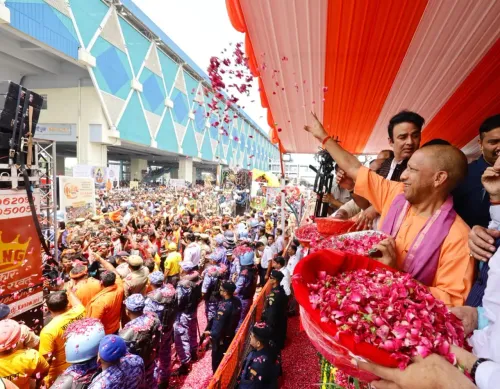
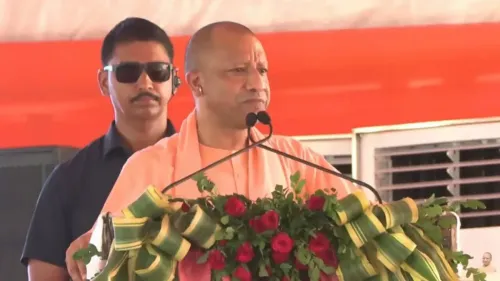
From beat-level constables to zonal magistrates, every layer of Uttar Pradesh's administrative machinery is on duty — and Chief Minister Yogi Adityanath wants the state's millions of Kanwar Yatra pilgrims to know it. On Saturday, 8 August 2026, the Chief Minister's Office of Uttar Pradesh shared a direct statement from CM Yogi Adityanath affirming that a full-spectrum security apparatus has been deployed for the ongoing Kanwar Yatra during the sacred month of Shravan.
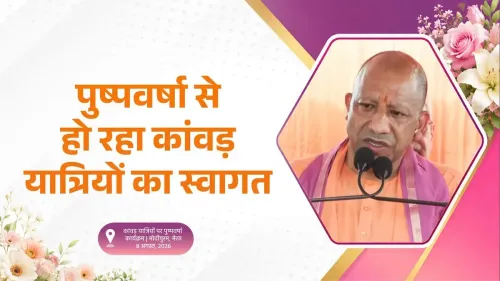
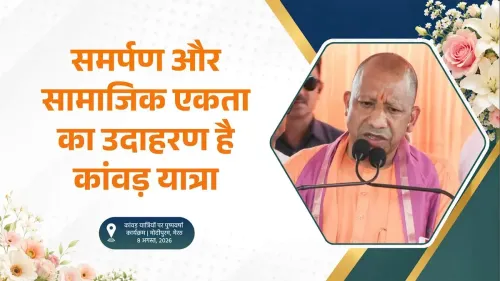
In his statement, CM Yogi said: 'The administration has made security arrangements with complete alertness for the Shiva-devotee Kanwar Yatra pilgrims. Sector magistrates, zonal magistrates, and all police personnel — from zone, range, district, circle and police station level down to the beat level — are part of this mission with full devotion, providing security of every kind to the Kanwar Yatra pilgrims.'
A Hierarchy That Runs From State to Street
The statement is notable for its specificity. Rather than a generic assurance of 'adequate security', CM Yogi named every rung of the chain: zone, range, district, circle, police station, and beat. That last word — beat — matters. A beat officer is the most ground-level unit of policing in India, the constable who knows a neighbourhood's lanes and faces. Invoking beat-level deployment signals that the coverage is not just top-down command but last-mile execution.
Alongside police, sector magistrates and zonal magistrates from the district administration are embedded in the operation — civilian officers with powers to manage crowds, issue orders, and respond to emergencies on the spot. It is a dual-command model designed to prevent gaps between law enforcement and civil authority.
Kanwar Yatra's Scale and Uttar Pradesh's Annual Test
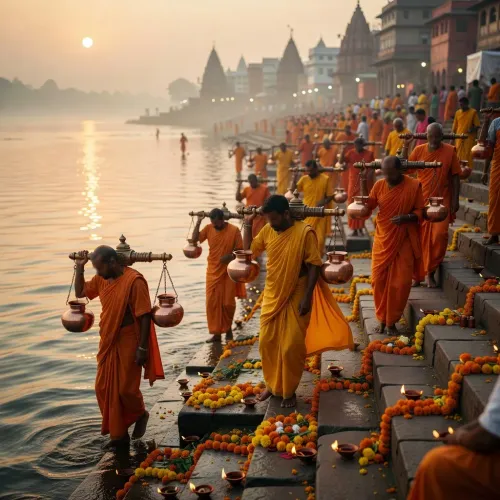
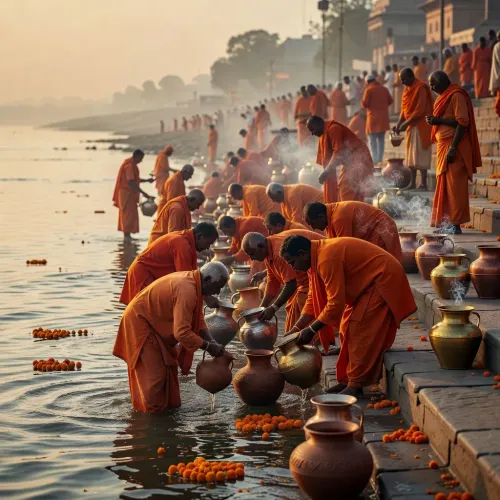
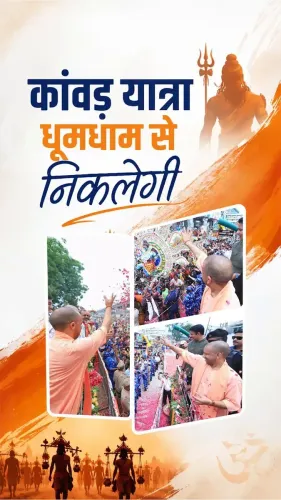
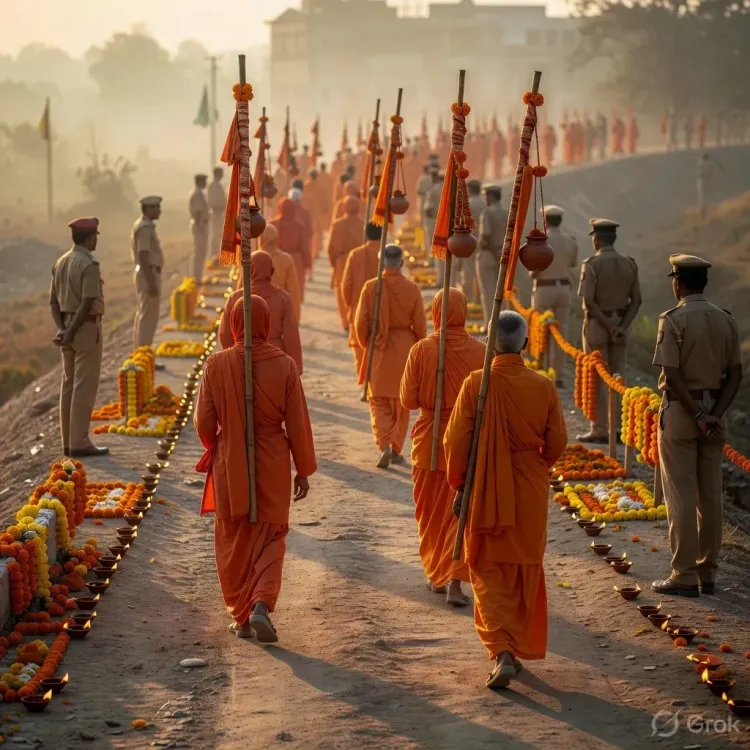
The Kanwar Yatra is one of the largest annual religious processions in the world. Each Shravan, millions of devotees — kanwariyas — travel on foot, often hundreds of kilometres, carrying sacred Ganga water to offer at Shiva temples across North India. Uttar Pradesh, with its dense network of pilgrimage routes running through cities like Haridwar, Meerut, Muzaffarnagar, and Agra, bears the heaviest administrative load.
Managing this volume — without disrupting traffic, preventing stampedes, and ensuring medical cover — is a logistical test that the UP government faces every year. Public statements reaffirming readiness have become a consistent feature of the Yogi administration's communication strategy during Shravan, signalling both organisational control and political attentiveness to the Hindu pilgrimage calendar.
With Shravan still ongoing, the government's next measure of success will be crowd management outcomes on the ground — not just the orders issued from above.
Point of View
Specific, and timed for maximum reassurance during a politically and religiously significant pilgrimage. By naming every administrative tier down to the beat constable, CM Yogi frames the Kanwar Yatra not as a law-and-order challenge but as a devotional mission the state is proud to serve. This fits a broader pattern in which the Yogi administration consistently positions Uttar Pradesh's administrative machinery as an active partner in Hindu religious life — a posture that reinforces both governance credibility and electoral identity ahead of any future cycle.
NationPress
8 Aug 2026
Frequently Asked Questions
What security arrangements has UP made for Kanwar Yatra 2026?
The Uttar Pradesh government has deployed police personnel at every level — from zone and range down to individual beat officers — along with sector and zonal magistrates, to provide security across all Kanwar Yatra pilgrimage routes during Shravan 2026.
What is the Kanwar Yatra?
The Kanwar Yatra is an annual Hindu pilgrimage during the month of Shravan in which devotees carry sacred Ganga water on foot to offer at Shiva temples, drawing millions of participants across North India, particularly in Uttar Pradesh.
What did CM Yogi say about Kanwar Yatra security?
CM Yogi Adityanath stated that the administration has made security arrangements with complete alertness, with all police personnel from zone to beat level and magistrates at sector and zonal levels participating in the mission with devotion.
What is the role of sector and zonal magistrates in Kanwar Yatra?
Sector and zonal magistrates are civilian district administration officers deployed on the ground with powers to manage crowds, issue orders, and respond to emergencies — working alongside police to ensure coordinated security coverage.
When does Kanwar Yatra take place in Uttar Pradesh?
Kanwar Yatra takes place annually during the Hindu month of Shravan, which falls in July-August, and is one of the largest religious processions managed by the Uttar Pradesh government each year.