CM Yogi Thanks Social, Religious Bodies for Kanwar Yatra Camps
Synopsis
Chief Minister Yogi Adityanath has thanked social and charitable organisations for setting up camps for Kanwar Yatra pilgrims in Uttar Pradesh, highlighting the state's long-standing model of coordinating with civil society to manage the annual Shravan pilgrimage.
Key Takeaways
The Chief Minister's Office of Uttar Pradesh posted CM Yogi's statement on 8 August 2026 .
CM Yogi Adityanath thanked social and charitable organisations for setting up camps for Kanwar Yatra pilgrims.
Camps have been established by both the state administration and voluntary bodies along pilgrimage routes.
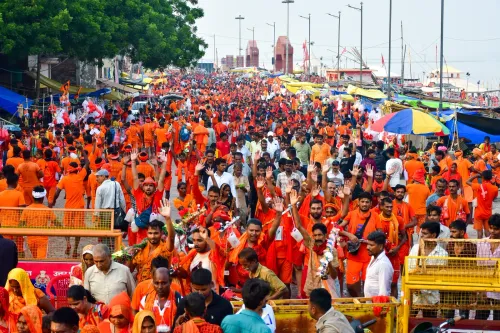
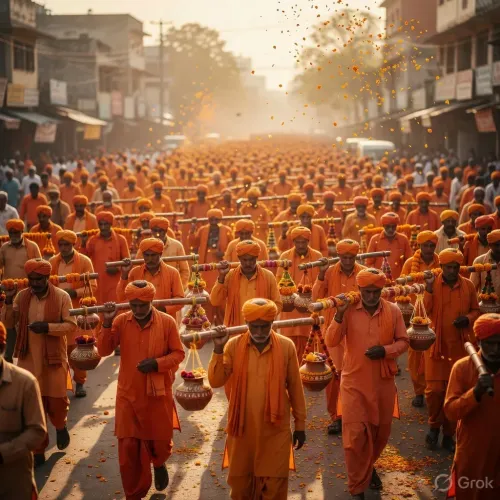
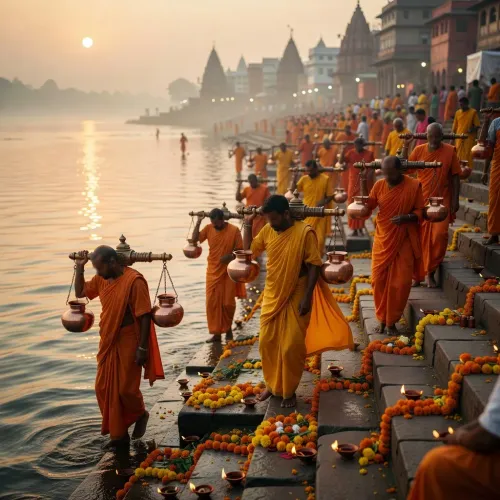
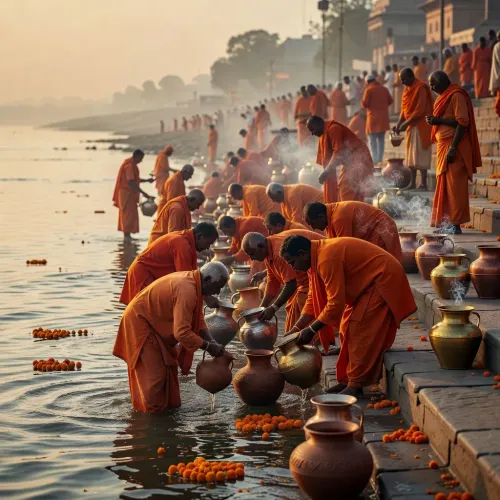
The Kanwar Yatra is an annual Shravan-month pilgrimage in which devotees carry Ganga water to Shiva temples across Uttar Pradesh.
The UP government has coordinated with religious and social bodies on pilgrimage logistics since at least 2017 under CM Yogi's tenure.
As the sacred Shravan month draws lakhs of devotees onto the roads of Uttar Pradesh, Chief Minister Yogi Adityanath has publicly acknowledged the social and charitable organisations that have set up camps alongside the state administration to serve Kanwar Yatra pilgrims — a gesture that underlines the government's reliance on civil society to manage one of Hinduism's largest seasonal pilgrimages.
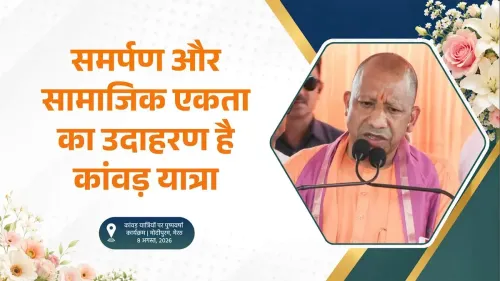
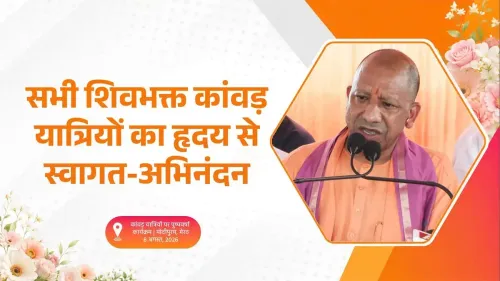
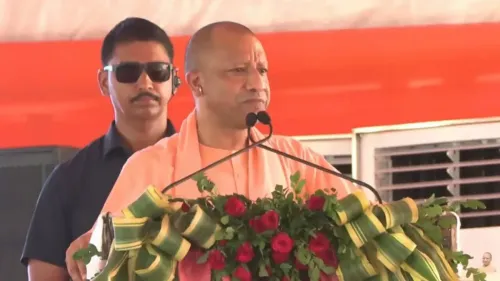
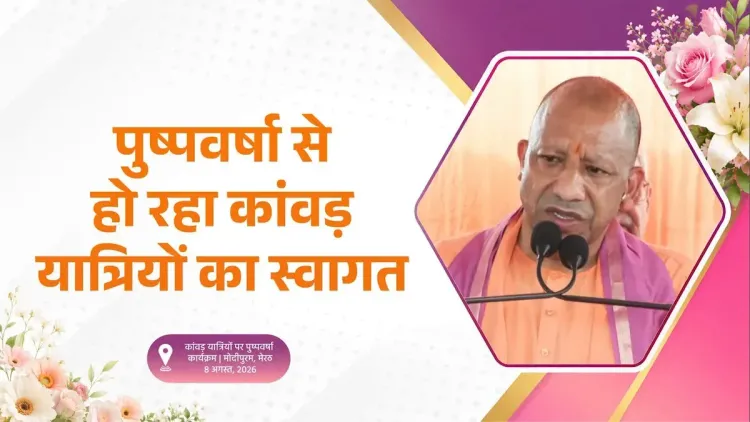
In a post shared by the Chief Minister's Office of Uttar Pradesh on Saturday, 8 August 2026, CM Yogi stated: 'Prashaasan ke saath hi samajsevi va dharmaarth sangathano ne Kanwar yatriyon ke liye shivir lagaaye hain' — 'Along with the administration, social service and charitable organisations have set up camps for Kanwar pilgrims.' He added: 'For this, I thank all social and charitable organisations from the bottom of my heart.'
A Pilgrimage That Tests a State's Logistics
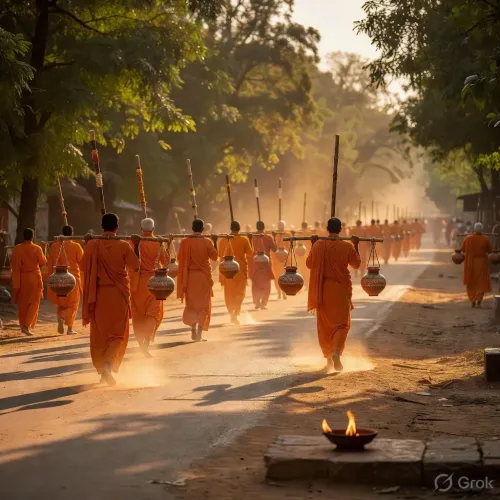
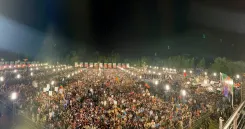
The Kanwar Yatra is an annual Hindu pilgrimage observed during the month of Shravan, in which devotees — known as Kanwariyas — carry sacred Ganga water in decorated pots to offer at Shiva temples across the region. The pilgrimage draws millions through Uttar Pradesh every year, straining roads, medical infrastructure, and law enforcement across dozens of districts.
The Uttar Pradesh government has historically coordinated with voluntary and religious bodies to establish roadside camps offering food, water, medical aid, and rest facilities along the yatra routes. CM Yogi, who has been in office since 2017, has consistently positioned this public-private partnership model as central to the state's approach to managing large religious gatherings.
Civil Society Filling the Gaps the State Cannot
The camps set up by social and charitable organisations function as a force-multiplier for the official machinery — providing granular, ground-level support that the administration alone cannot scale to meet. From medical check-posts to langar-style food distribution, these volunteer-run facilities are often the first point of contact for a tired or ailing pilgrim.
CM Yogi's public thanks are more than ceremonial: they signal the state's formal endorsement of this model and encourage continued participation from civil society in future editions of the yatra. The pattern reflects a broader administrative approach seen across Indian states, where seasonal religious events are managed through structured coordination between government agencies and community organisations.
With the Shravan month still ongoing, pilgrim numbers, safety outcomes, and the scale of camp operations will be the metrics that define how this year's yatra is ultimately assessed.
Point of View
Organised support for major Hindu pilgrimages — a recurring theme since he assumed office in 2017. The gesture also serves a practical purpose: publicly thanking volunteer organisations sustains their participation in future editions of an event that the state machinery alone cannot fully service. Analysts watching UP's religious-event administration will note that the model is increasingly being cited as a template for other large pilgrimages across India.
NationPress
22 Sept 2026
Frequently Asked Questions
What did CM Yogi say about Kanwar Yatra camps?
CM Yogi Adityanath thanked all social and charitable organisations from the bottom of his heart for setting up camps for Kanwar Yatra pilgrims alongside the state administration.
What is the Kanwar Yatra?
The Kanwar Yatra is an annual Hindu pilgrimage during the Shravan month in which devotees carry sacred Ganga water to offer at Shiva temples, drawing millions of pilgrims through Uttar Pradesh every year.
Who sets up camps for Kanwar pilgrims in Uttar Pradesh?
Both the Uttar Pradesh state administration and social service and charitable organisations set up camps offering food, water, medical aid, and rest facilities for Kanwar pilgrims.
Why does the UP government partner with religious organisations for the Kanwar Yatra?
The sheer scale of the Kanwar Yatra means the state administration alone cannot meet all pilgrim needs; voluntary and religious bodies act as a force-multiplier, providing ground-level support the government machinery cannot fully scale to deliver.
When did CM Yogi make this statement about Kanwar Yatra?
The statement was posted by the Chief Minister's Office of Uttar Pradesh on Saturday, 8 August 2026.