CM Yogi: Manifesto dreams cannot deliver development
Synopsis
Uttar Pradesh Chief Minister Yogi Adityanath said manifesto announcements do not produce development. Invoking Mungerilal's dreams, he argued growth needs time, dedication and vision. The remark continues a BJP contrast between incumbency and opposition pledges ahead of the next UP contest.
Key Takeaways
Yogi Adityanath on 27 November 2026 said manifesto announcements do not produce development.
He used the idiom Mungerilal ke sapne (Mungerilal's dreams) for empty campaign pledges.
He said development requires time, dedication and vision.
He did not name a specific party or manifesto in the post.
Since 2017 he has pitched law and order plus infrastructure as Uttar Pradesh's growth path.
The line fits a wider BJP contrast with what it calls freebie-style manifesto politics.
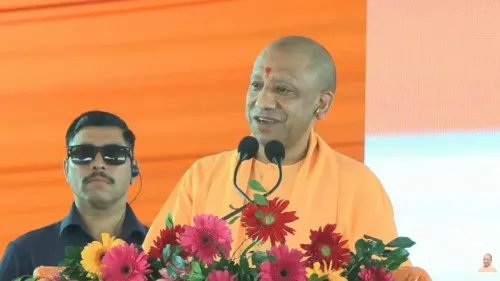
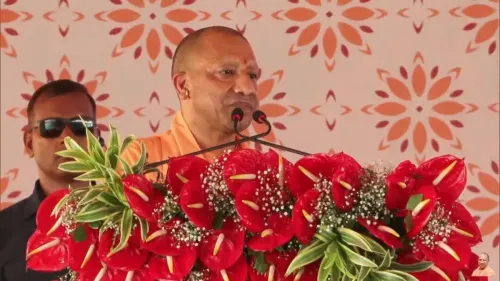
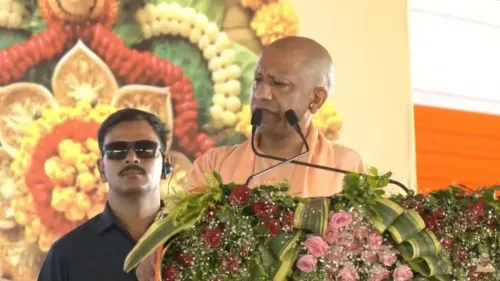
Uttar Pradesh Chief Minister Yogi Adityanath on Friday cut through campaign season with a blunt line: development does not arrive because a manifesto is loud. Posting on X on 27 November 2026, he said rival announcements were Mungerilal ke sapne (Mungerilal's dreams), and that growth still needs time, dedication and vision.
Translated, he wrote: 'No matter what announcements they make in the name of their Manifesto, development does not happen by showing Mungerilal's dreams. Development requires time, dedication and vision.' He named no party and no document. The target was the habit of treating a pledge sheet as a development plan.
Mungerilal's dreams as a campaign weapon
In north India, Mungerilal ke sapne is shorthand for grand daydreams that never leave the page. By reaching for it, the Chief Minister recast unnamed rivals as vendors of fantasy rather than of work that can be walked on, driven over or counted in police stations.
The jab is cultural, not technical. It asks voters to hear a manifesto the way they would hear a neighbour's boast — colourful, specific, and unproven until something stands on the ground.
Order, roads and a record since 2017
Since taking office in 2017, Yogi Adityanath has sold Uttar Pradesh on law and order paired with infrastructure-led growth. That incumbency is the yardstick he now wants placed beside every list of giveaways.
The line tracks a wider Bharatiya Janata Party argument against what it calls a freebie or revdi culture in state manifestos: welfare slogans unmoored from time, money and administrative capacity. For UP voters the implied question is blunt. Who has spent years on the grind, and who is only now distributing dreams?
Manifesto season and the next UP ballot
The post lands as parties prepare the documents that will frame the next Uttar Pradesh assembly contest. Opposition manifesto releases, and the rhetoric around them, are the immediate test of whether this contrast sticks.
Time, dedication and vision is not a scheme title. It is a claim of incumbency — that development is labour, not a press note. In Lucknow's politics that claim will be answered not by another post but by what voters believe they have already seen.
The next ballot in Uttar Pradesh will not only count votes. It will decide which story of development the electorate trusts: the one poured in concrete, or the one printed in a manifesto.
Point of View
Policing and capital works against paper promises. Mungerilal's dreams is cultural shorthand for fantasy budgets, and it slots into the national argument against a so-called revdi or freebie culture. Leaving the they unnamed keeps the attack wide, aimed at whoever next tables a manifesto. The real test is whether UP voters treat that contrast as lived experience or as campaign framing.
NationPress
27 Nov 2026
Frequently Asked Questions
What did Yogi Adityanath say about election manifestos?
He said announcements made in the name of a manifesto do not deliver development. He argued that growth requires time, dedication and vision, not what he called Mungerilal's dreams.
What does Mungerilal ke sapne mean in this post?
It is a north Indian idiom for grand, unrealistic daydreams that never materialise. Yogi Adityanath used it to dismiss campaign pledges he framed as fantasy rather than a development plan.
Did CM Yogi name any party in the manifesto remark?
No. The post referred to they and their Manifesto without identifying a party or a specific document. The attack was aimed at manifesto-style promises as a category.
How does this fit Yogi Adityanath's pitch since 2017?
Since becoming Chief Minister in 2017 he has emphasised law and order and infrastructure-led development. The latest remark asks voters to judge that record against opposition manifesto lists.
Is the post linked to the next Uttar Pradesh elections?
It reads as pre-election messaging contrasting incumbency with rival pledges. Opposition manifesto releases and campaign rhetoric ahead of the next UP assembly contest are the setting in which the line will be tested.