CM Yogi distributes tablets to 46,800 youth in Gonda
Synopsis
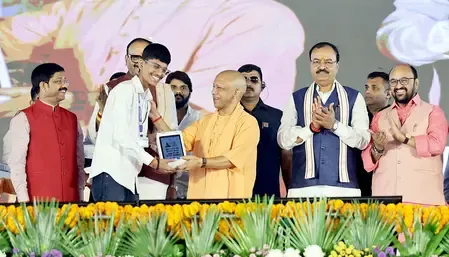
Uttar Pradesh Chief Minister Yogi Adityanath said 46,800 students and trainees from Gonda, Bahraich, Balrampur and Shravasti received tablets in Gonda under the Swami Vivekananda Yuva Sashaktikaran Yojana, calling the devices a platform for youth talent.
Key Takeaways
Yogi Adityanath said tablets were distributed in Gonda under the Swami Vivekananda Yuva Sashaktikaran Yojana.
He cited 46,800 student and trainee beneficiaries from four districts.
The covered districts are Gonda, Bahraich, Balrampur and Shravasti .
The Chief Minister said the tablets would help platform the talent of youth in 'New Uttar Pradesh'.
The scheme pairs skill training with digital devices for students and trainees.
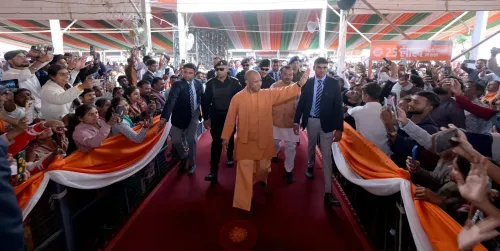
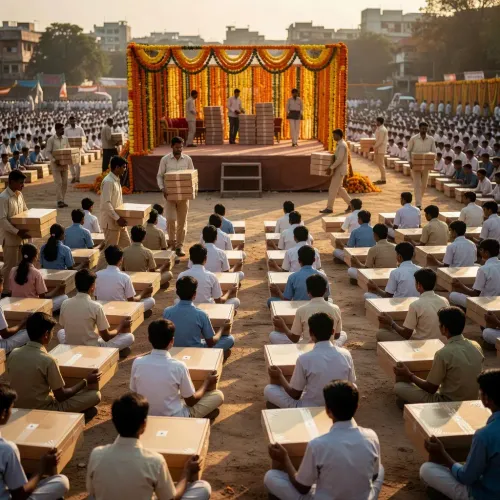
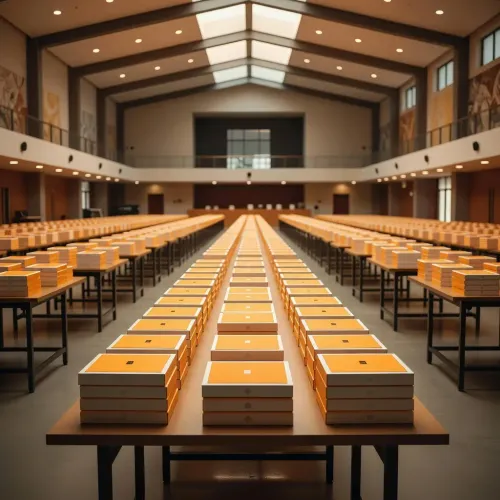
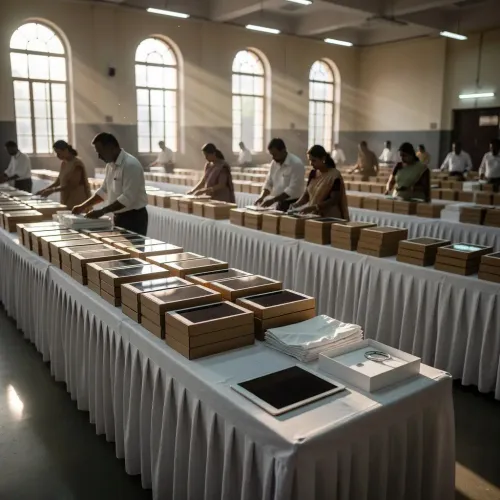
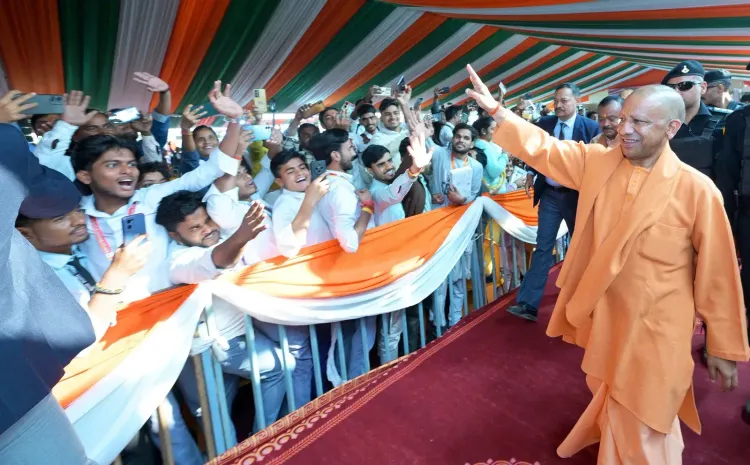
In a packed distribution in Gonda, Uttar Pradesh Chief Minister Yogi Adityanath on Friday handed tablets to students and trainees drawn from four eastern districts under the Swami Vivekananda Yuva Sashaktikaran Yojana. He said the devices would give the youth of 'New Uttar Pradesh' a stronger platform for their talent. The scale he announced: 46,800 beneficiaries from Gonda, Bahraich, Balrampur and Shravasti.
46,800 tablets, four Purvanchal districts
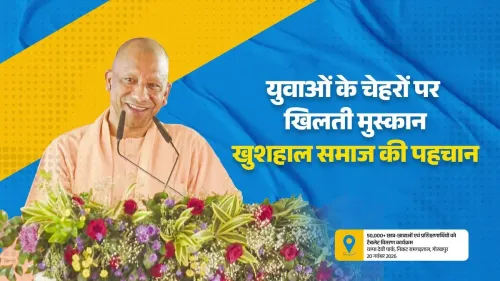
Posting in Hindi, the Chief Minister stated that under the scheme, tablets had been distributed in Gonda that day to students and trainees of Gonda, Bahraich, Balrampur and Shravasti. Poorn vishwas hai (full confidence), he wrote, that these tablets would prove helpful in giving a strong platform to the talent of the youth of Naye Uttar Pradesh. He offered hearty congratulations to all beneficiary young companions.
One venue. Four districts. A number large enough to travel: 46,800.
Vivekananda's name on a device-and-skills drive
The Swami Vivekananda Yuva Sashaktikaran Yojana is the Uttar Pradesh government's youth empowerment scheme for skill training and digital devices. Naming it after the 19th-century monk Swami Vivekananda is not accidental. His image has long been used across India to brand programmes aimed at the young, and this scheme sits inside that lineage.
Friday's drop fits a broader pattern. The state administration has rolled out multiple digital-access and skilling drives aimed at students in rural and historically lagging districts. The 'New Uttar Pradesh' frame treats a tablet as more than a gadget: it is meant to be a ticket into training, exams, and the formal economy.
Why Gonda hosted Bahraich, Balrampur and Shravasti
Gonda did not host only its own students. It was the hub for a cluster: Bahraich, Balrampur and Shravasti as well, three neighbours that, with Gonda, have often been prioritised for development interventions in eastern Uttar Pradesh. For the administration, that map is the point. Device programmes are easiest to sell where the digital gap is widest.
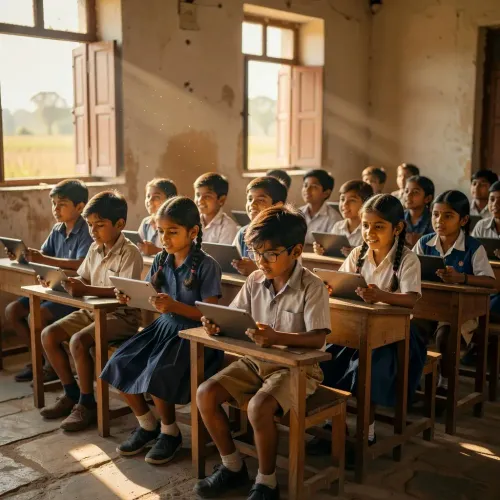
Further phases of distribution under the same scheme, and any official reporting on actual usage and learning in these four districts, will decide what the handover was worth. A tablet on a dais is a photograph. A tablet in a classroom, over time, is the policy.
The devices are out. The question now is whether Gonda's handover becomes a habit of learning across four districts, or a one-day count.
Point of View
Photogenic, and aimed at districts the government wants associated with catch-up. Putting Swami Vivekananda's name on the scheme borrows a youth-icon that sits above party brands, while 'New Uttar Pradesh' keeps the credit with the current administration. Clustering Gonda with Bahraich, Balrampur and Shravasti is the policy tell, eastern districts treated as a single development theatre rather than four separate photo-ops. The political yield will track whether the gadgets show up in skills and study, not only in a Gonda handover.
NationPress
27 Nov 2026
Frequently Asked Questions
What is the Swami Vivekananda Yuva Sashaktikaran Yojana?
It is a Uttar Pradesh government youth empowerment scheme that provides skill training and digital devices to students and trainees. The programme is named after the 19th-century monk Swami Vivekananda, a figure long linked to youth-focused initiatives in India.
How many tablets were distributed in Gonda according to CM Yogi?
According to Chief Minister Yogi Adityanath, tablets were distributed to 46,800 students and trainees. The handover took place in Gonda and covered beneficiaries from four districts.
Which districts were covered in the Gonda tablet distribution?
Gonda, Bahraich, Balrampur and Shravasti were the four districts covered. The event itself was held in Gonda.
When did Yogi Adityanath announce the tablet distribution?
He announced it on Friday in a post on X, saying the tablets had been distributed in Gonda that day. He also congratulated the young beneficiaries.
Why did the CM link the tablets to New Uttar Pradesh?
He said he was fully confident the tablets would help provide a strong platform for the talent of the youth of 'New Uttar Pradesh'. That phrasing matches the state government's technology-enabled youth empowerment pitch.