CM Yogi's tablet scheme puts smiles on UP youth's faces
Synopsis
The Chief Minister's Office of Uttar Pradesh, quoting CM Yogi Adityanath, says the joy on beneficiaries' faces under the Swami Vivekananda Youth Empowerment Scheme is a source of pride — framing tablet distribution as a path to social progress.
Key Takeaways
The Chief Minister's Office of Uttar Pradesh posted on 20 November 2026 highlighting beneficiary happiness under the scheme.
The post is attributed directly to Chief Minister Yogi Adityanath .
The scheme is named the Swami Vivekananda Yuva Sashaktikaran Yojana and distributes tablets to youth.
Uttar Pradesh has a history of device-distribution welfare schemes going back to the Samajwadi Party laptop programme of 2012–2017 .
Official figures on the total number of tablets distributed and the next distribution phase have not been publicly announced.
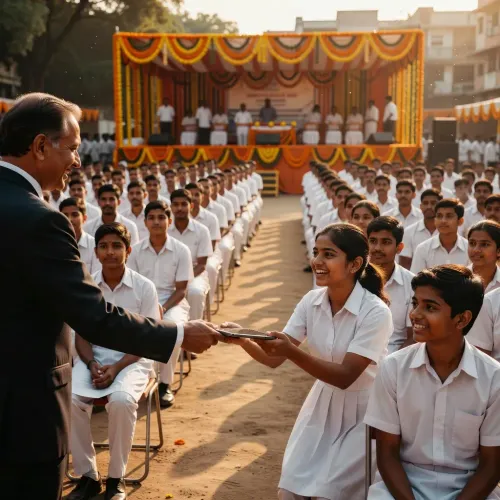
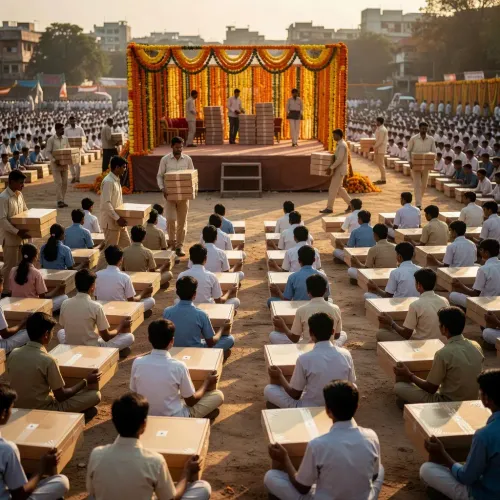
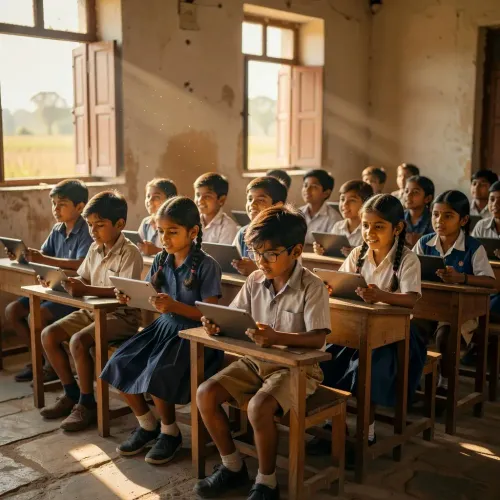
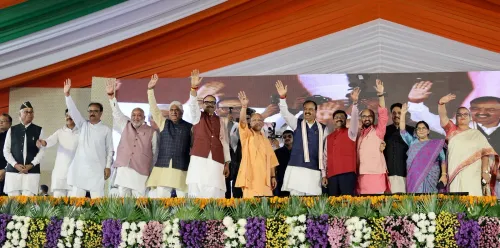
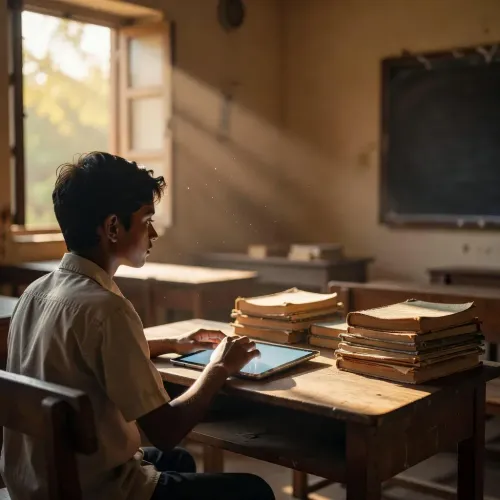
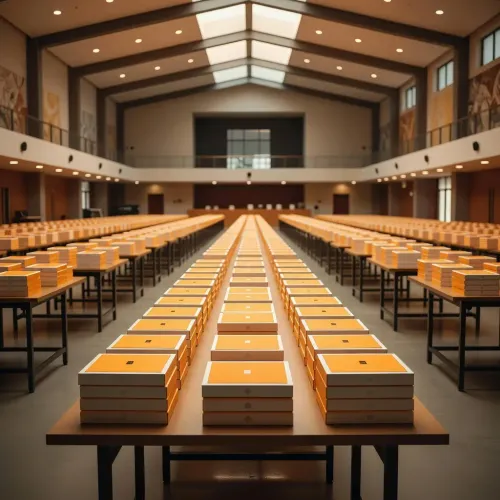
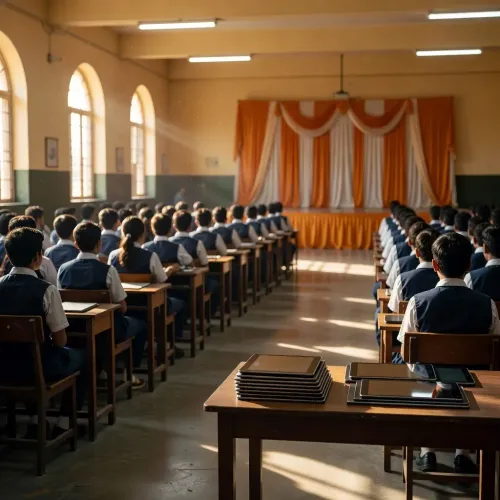
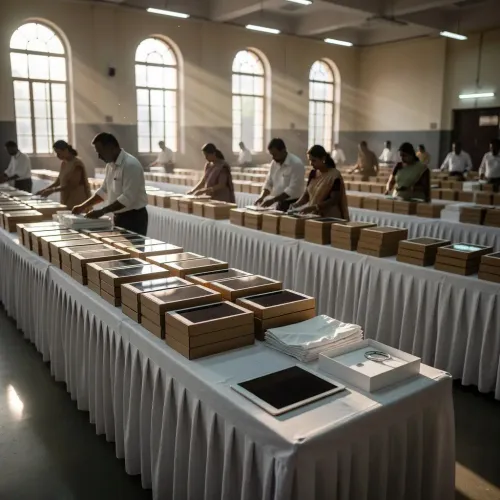
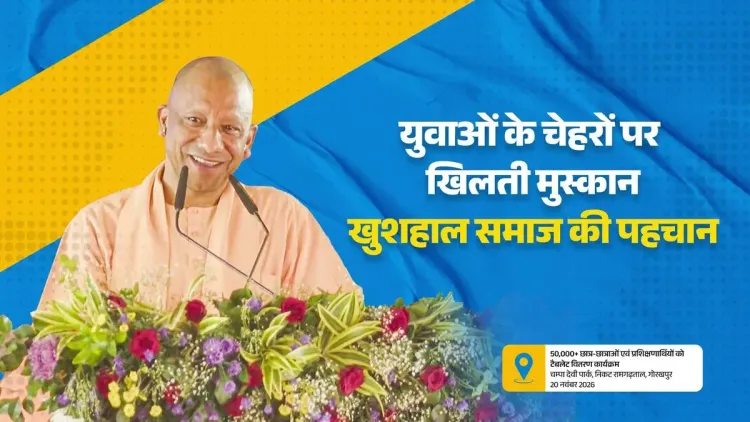
Thousands of young faces lighting up as they receive a tablet — that image, the Chief Minister's Office of Uttar Pradesh said on Friday, 20 November 2026, is precisely what drives the state government forward. In a post attributed directly to Chief Minister Yogi Adityanath, the office underlined that the joy visible among beneficiaries of the Swami Vivekananda Yuva Sashaktikaran Yojana (Swami Vivekananda Youth Empowerment Scheme) is a source of pride for the administration.
The post, shared in Hindi, reads: 'Swami Vivekananda Yuva Sashaktikaran Yojana ke tahat tablet prapt kar yuvaon ke chehaon par jhalak rahi khushi pradesh sarkar ke liye prasannata ka vishay hai.' — 'The happiness visible on the faces of youth who have received tablets under the Swami Vivekananda Youth Empowerment Scheme is a matter of joy for the state government.' It closes with a line in CM Yogi's own voice: 'The smile of youth alone paves new paths of happiness and progress for society.'
A scheme named for a monk who preached self-reliance
The scheme draws its name from Swami Vivekananda, the 19th-century Indian philosopher and monk whose message of youth energy and self-reliance has been invoked by governments across the political spectrum for decades. Naming a digital-access programme after him is deliberate — it frames a device handout as a tool of inner empowerment, not mere welfare.
Uttar Pradesh, India's most populous state, has a long history of device-distribution politics. The Samajwadi Party government (2012–2017) ran a high-profile free laptop scheme targeting Class 12 pass students and college entrants, which became one of its signature electoral promises. The Yogi Adityanath administration, in power since 2017, has pursued its own version of digital inclusion under a rebranded, Vivekananda-linked identity.
Digital access as a development headline in UP
Tablet and laptop programmes across India serve a dual purpose: expanding genuine digital literacy in states where smartphone or computer penetration remains uneven, and generating visible, tangible proof of governance for a young electorate. Uttar Pradesh — with its enormous student population — is ground zero for both ambitions.
Schemes of this kind sit within broader state efforts on skill development and education infrastructure, and similar device-distribution announcements have been made in other BJP-governed states in recent years. The official figures on total tablets distributed under the current scheme and the timeline for its next distribution phase have not yet been released publicly.
When a government chooses to amplify the smiles of its beneficiaries rather than the numbers, it is betting that the human image travels further than the spreadsheet — and in the politics of Uttar Pradesh, that bet has rarely been wrong.
Point of View
Functioning simultaneously as education policy and high-visibility electoral signalling. By anchoring the programme under the Vivekananda brand, the Yogi administration attempts to shift the narrative from material handout to ideological investment in youth self-reliance — a framing that distinguishes it rhetorically from its Samajwadi predecessor. The emphasis on 'smiles' rather than scale in the official communication suggests the government is in a consolidation phase, amplifying emotional impact over raw data. With UP's massive youth demographic and no official distribution figures yet public, the scheme's true reach remains the central open question.
NationPress
20 Nov 2026
Frequently Asked Questions
What is the Swami Vivekananda Yuva Sashaktikaran Yojana in Uttar Pradesh?
It is a welfare scheme run by the Uttar Pradesh government under which tablets are distributed to youth as part of digital empowerment and education initiatives. The scheme is named after 19th-century monk and philosopher Swami Vivekananda.
Who is eligible for a free tablet under UP's Swami Vivekananda scheme?
The exact eligibility criteria have not been officially verified in publicly available data; students and youth in Uttar Pradesh are the stated beneficiaries, but official details on age group and qualification criteria should be confirmed through the UP government's official portal.
Did the UP government previously run a free laptop scheme?
Yes. The Samajwadi Party government in Uttar Pradesh (2012–2017) ran a large-scale free laptop distribution scheme targeting Class 12 pass students and college students, which was one of its flagship welfare programmes.
What did CM Yogi Adityanath say about the tablet scheme?
In a post by the Chief Minister's Office on 20 November 2026, CM Yogi said the happiness visible on the faces of youth receiving tablets is a matter of pride for the state government, adding that 'the smile of youth alone paves new paths of happiness and progress for society.'
How many tablets have been distributed under the Swami Vivekananda Yuva Sashaktikaran Yojana?
Official figures on the total number of tablets distributed under the current scheme have not been publicly released as of November 2026.