CM Yogi says double-engine govt fulfilled Bundelkhand's dream
Synopsis
Uttar Pradesh Chief Minister Yogi Adityanath on 9 July 2026 declared that the BJP's double-engine government has turned Bundelkhand's long-deferred development aspirations into reality, pointing to a decade of road, water and connectivity projects in the historically underdeveloped region.
Key Takeaways
CM Yogi Adityanath posted on 9 July 2026 that the 'double-engine government' has fulfilled Bundelkhand 's long-held development dreams.
The 296-km Bundelkhand Expressway , inaugurated in 2020 , was a flagship outcome of the post-2017 Bundelkhand development package.
The Ken-Betwa river-linking project remains a key ongoing initiative aimed at ending chronic water scarcity in the region.
Bundelkhand spans seven districts in Uttar Pradesh and has historically suffered from drought, agrarian distress and migration.
The BJP frames simultaneous governance at the Centre and in UP as the critical enabler of infrastructure execution in backward regions.
Phased completion of river-linking works and additional expressway and airport projects are the next milestones to watch.
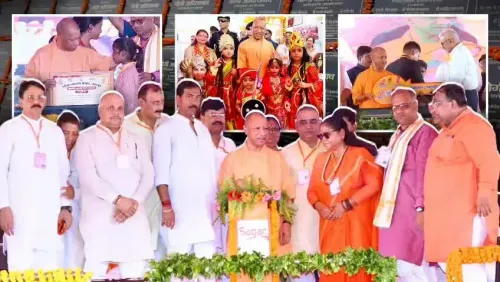
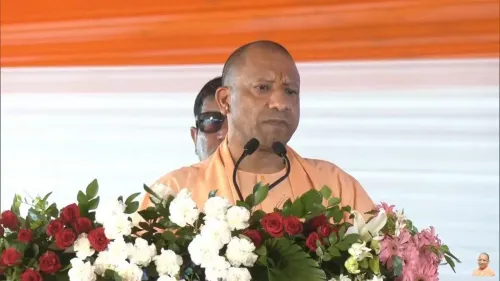
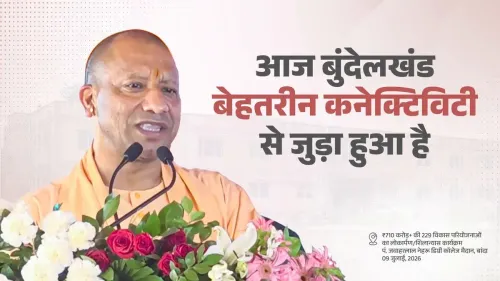
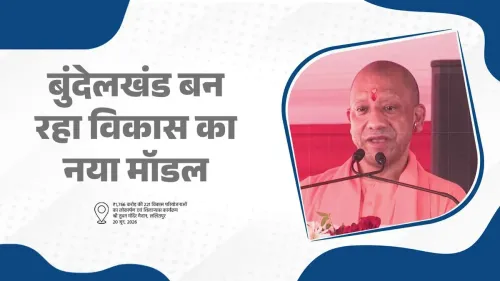
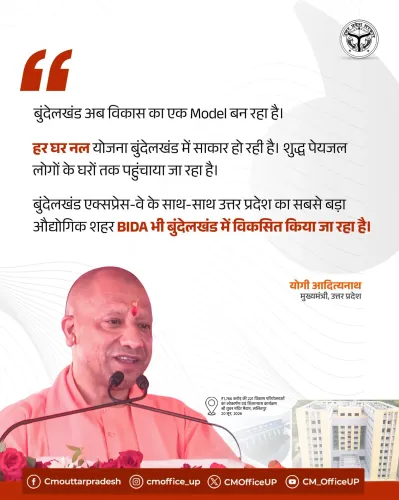
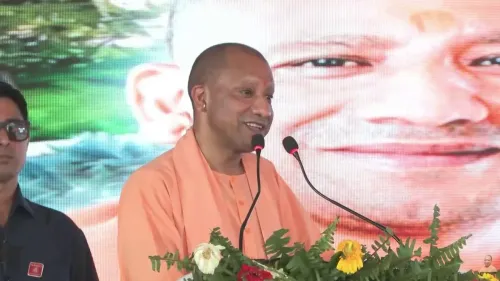
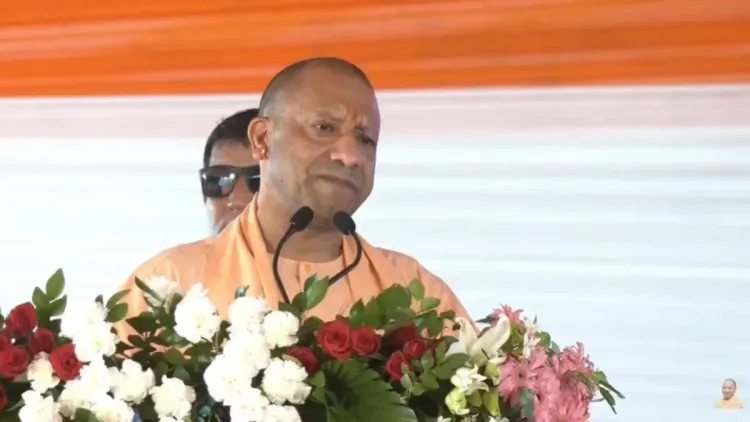
Uttar Pradesh Chief Minister Yogi Adityanath on Thursday, 9 July 2026, declared that the aspirations long held by the people of Bundelkhand have now been realised under the combined governance of the BJP at the state and central levels, invoking the party's signature 'double-engine government' formulation.
Posting on X, the Chief Minister wrote: 'Bundelkhand ka jo kabhi sapna tha, use double engine sarkar ne sakar kiya hai' — 'What was once only a dream for Bundelkhand, the double-engine government has now made it a reality.' The post was accompanied by a video, the contents of which underscore a milestone in the region's infrastructure or development trajectory.
Context
Bundelkhand is a region straddling districts of Uttar Pradesh and Madhya Pradesh, historically marked by chronic water scarcity, agrarian distress and large-scale migration. For decades, successive governments were criticised for failing to address its structural underdevelopment, making it a politically sensitive zone.
The BJP has consistently positioned its simultaneous hold on Lucknow and New Delhi as the decisive factor enabling project execution in regions like Bundelkhand that earlier administrations left behind.
Policy Backdrop
Following the 2017 Uttar Pradesh assembly elections, the state government announced a dedicated Bundelkhand development package centred on roads, canals and power infrastructure. A landmark outcome of that push was the 296-kilometre Bundelkhand Expressway, inaugurated in 2020, which addressed long-pending connectivity demands of the region.
More recently, the Ken-Betwa river-linking project — a flagship initiative aimed at redirecting water from the Ken river to the water-scarce Betwa basin — has been positioned as a transformative intervention for Bundelkhand's farming communities. Progress on that project, along with additional expressway spurs and proposed airport infrastructure listed in state budget documents, forms the broader canvas against which the Chief Minister's statement is made.
Stakeholders and Impact
The primary beneficiaries of Bundelkhand's infrastructure push are its farmers and rural residents, who have historically borne the brunt of drought cycles and inadequate connectivity. Improved roads and irrigation infrastructure directly affect agricultural productivity and reduce the compulsion to migrate to urban centres in search of livelihoods.
Politically, Bundelkhand's seven Uttar Pradesh districts — including Jhansi, Banda, Chitrakoot, Hamirpur, Mahoba, Jalaun and Lalitpur — carry significant electoral weight, and the BJP has invested heavily in converting development delivery into political capital in the region ahead of successive state and national elections.
What's Next
Attention will now turn to phased completion reports for the Ken-Betwa river-linking project and any additional connectivity or irrigation milestones that the state government tables in upcoming budget sessions or inaugurates through joint events with the central government.
The Chief Minister's framing suggests the 'double-engine' narrative will remain central to the BJP's communication strategy in Uttar Pradesh as the state moves closer to the next assembly election cycle, with Bundelkhand serving as a key exhibit of the model's outcomes.
Point of View
Deploying the 'double-engine government' phrase to consolidate the BJP's ownership of Bundelkhand's transformation narrative. The choice of Bundelkhand — historically a symbol of state neglect — as the exhibit for this framing is strategically significant ahead of future electoral cycles in Uttar Pradesh. By anchoring development delivery to the simultaneous BJP presence in Lucknow and New Delhi, the messaging also implicitly argues that any change in either government would stall progress. This positions infrastructure outcomes not merely as governance achievements but as a reason to sustain partisan continuity at both levels.
NationPress
8 Oct 2026
Frequently Asked Questions
What did CM Yogi Adityanath say about Bundelkhand on 9 July 2026?
CM Yogi Adityanath said that what was once only a dream for Bundelkhand has been made a reality by the double-engine BJP government, referring to simultaneous BJP rule at the state and central levels.
What is the double-engine government model in Uttar Pradesh?
The 'double-engine government' is the BJP's term for having the same party in power both at the Centre under Prime Minister Narendra Modi and in Uttar Pradesh under Chief Minister Yogi Adityanath, which the party argues accelerates project approvals and fund flows.
What major infrastructure projects have been built in Bundelkhand?
The most prominent project is the 296-kilometre Bundelkhand Expressway inaugurated in 2020. The Ken-Betwa river-linking project, aimed at addressing chronic water scarcity, is also a major ongoing initiative for the region.
Why is Bundelkhand considered underdeveloped?
Bundelkhand, spanning districts in Uttar Pradesh and Madhya Pradesh, has historically faced chronic water scarcity, recurring drought, poor road connectivity and large-scale migration of farmers and labourers, making it one of India's most economically stressed regions.
Which districts in Uttar Pradesh fall under Bundelkhand?
The seven Uttar Pradesh districts in Bundelkhand are Jhansi, Banda, Chitrakoot, Hamirpur, Mahoba, Jalaun and Lalitpur.