CM Yogi Pushes Bundelkhand Renewable Energy, Tough Tender Rules
Synopsis
Chief Minister Yogi Adityanath has directed officials to prepare renewable energy proposals leveraging Bundelkhand's vast land bank to attract investment and create local jobs, while ordering strict action against road-damaging parties and firms that stall work after tender finalisation.
Key Takeaways
CM Yogi Adityanath declared that Uttar Pradesh has made a major developmental leap and that Bundelkhand 's land bank holds significant untapped investment potential.
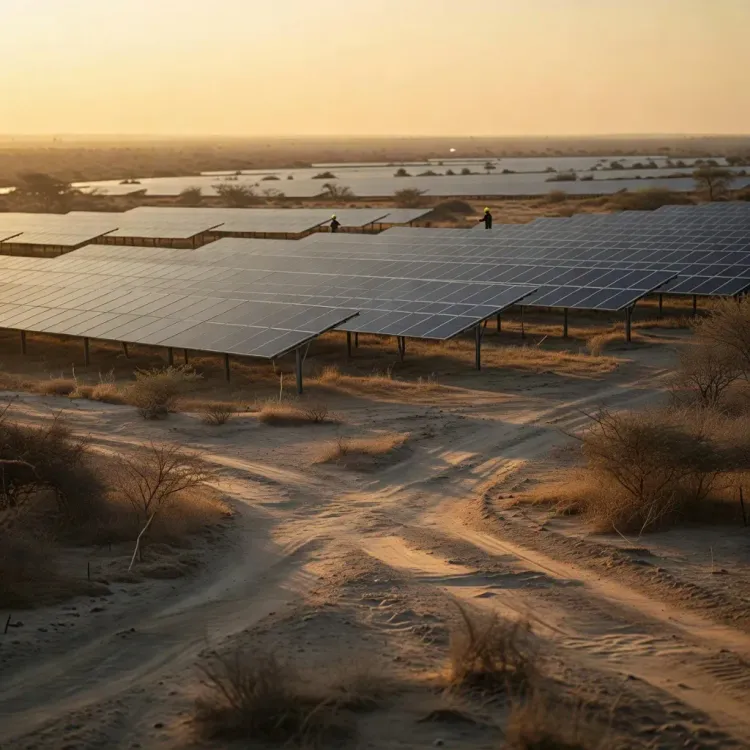
Officials have been directed to draft renewable energy proposals for the Bundelkhand land bank to attract large-scale investment.
The renewable energy initiative is expected to generate new employment opportunities for local youth in the region.
Strict action has been ordered against individuals or entities causing damage to roads under applicable rules.
Firms that have not commenced work after completion of the tender process are to be identified and penalised.
The directives build on Uttar Pradesh's 2022 Renewable Energy Policy and Bundelkhand development packages active since 2018 .
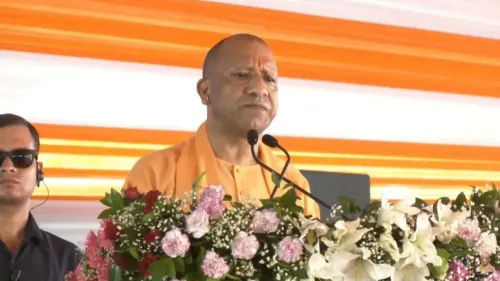
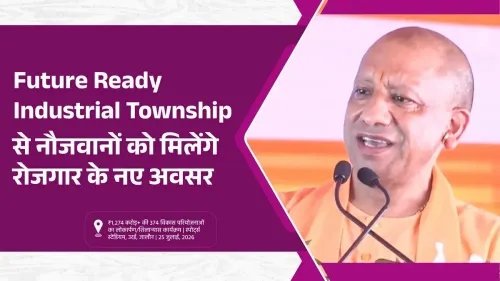
The Chief Minister's Office of Uttar Pradesh on 21 June 2026 shared remarks by Chief Minister Yogi Adityanath highlighting the state's developmental leap and the investment potential of Bundelkhand's vast land bank, with a pointed call to draft renewable energy proposals and crack down on road-damaging contractors and tender-defaulting firms.
Context
Addressing officials, CM Yogi Adityanath said, in translation: 'Uttar Pradesh ne vikas ke kshetra mein badi chhalang lagayi hai' ('Uttar Pradesh has taken a big leap in the field of development') and underlined that the expansive land bank available in the Bundelkhand region offers new possibilities for investment and industrial growth. He directed officials to prepare concrete proposals centred on renewable energy, stating these would attract large-scale investment and create fresh employment avenues for local youth.
Bundelkhand spans southern Uttar Pradesh and has historically lagged behind the state's more industrialised western and central belts. Successive state governments have earmarked the region for catch-up development, and the current administration has assembled dedicated land banks to make it investor-ready.
Policy Backdrop
Uttar Pradesh notified its Industrial Investment and Employment Promotion Policy in 2017 to draw manufacturing capital across the state. Focused Bundelkhand development packages followed from 2018, concentrating on land acquisition and enabling infrastructure. In 2022 the state issued an updated Renewable Energy Policy targeting solar and wind parks as vehicles for green investment and job creation.
The Chief Minister's latest push to draft renewable energy proposals for the Bundelkhand land bank aligns directly with that 2022 policy framework, signalling that the administration intends to move from planning to project-level formulation in the region.
Accountability Measures
Beyond the investment agenda, CM Yogi issued pointed instructions on public-works discipline. Officials were directed to take action under applicable rules against those causing damage to roads, and to identify and act firmly against firms that have not commenced work even after the tender process is complete.
The dual directive — protecting road infrastructure and penalising non-performing contractors — reflects a broader state drive to tighten execution accountability in public works, where delayed or abandoned projects have historically eroded the value of capital expenditure.
Stakeholders and Impact
The renewable energy push in Bundelkhand is expected to benefit local youth through employment in construction, operations, and maintenance of solar and wind installations. Private investors eyeing Uttar Pradesh's green energy sector would gain access to a structured land bank, reducing one of the key entry barriers for large projects.
Construction firms and road contractors face tightened scrutiny: those found damaging roads or stalling work post-tender risk formal enforcement action. Road users and local communities stand to gain from improved infrastructure delivery and upkeep.
What's Next
The immediate deliverable is the formulation of renewable energy proposals for the Bundelkhand land bank, which officials have been tasked to prepare. Enforcement actions against defaulting contractors are also expected to follow as the administration identifies non-performing firms. Together, these steps will test whether Uttar Pradesh's ambitions for its most underserved region translate into on-ground investment and accountable public-works execution.
Point of View
And anchoring it to the green energy transition gives the administration a politically resonant and economically credible narrative ahead of future investor summits. The enforcement angle on roads and tenders is equally telling: it suggests the administration is aware that capital attraction alone is insufficient without improved delivery discipline. Together, these moves position Uttar Pradesh as a state that is not merely announcing policy but attempting to close the gap between intent and implementation.
NationPress
19 Sept 2026
Frequently Asked Questions
What did CM Yogi say about Bundelkhand development?
CM Yogi Adityanath said Uttar Pradesh has taken a big leap in development and that Bundelkhand's large land bank offers new possibilities for investment and industrial growth, with a specific focus on preparing renewable energy proposals for the region.
What is the Bundelkhand land bank in Uttar Pradesh?
The Bundelkhand land bank is a reserve of government-assembled land in southern Uttar Pradesh, built up since 2018 under dedicated development packages, intended to provide ready sites for industrial and energy investment in a historically lagging region.
How will renewable energy projects in Bundelkhand create jobs?
CM Yogi stated that attracting large-scale renewable energy investment through the Bundelkhand land bank will create new employment opportunities for local youth, including roles in project construction, operations, and maintenance of solar and wind installations.
What action did CM Yogi order against road-damaging contractors?
CM Yogi directed officials to take action under applicable rules against those causing damage to roads, and to identify and take strict measures against firms that have not started work even after the tender process has been completed.
What is Uttar Pradesh's renewable energy policy?
Uttar Pradesh issued an updated Renewable Energy Policy in 2022 targeting the development of solar and wind parks to attract green investment and generate employment, which forms the policy basis for the Bundelkhand renewable energy proposals now being directed.