CM Yogi Flags India-Japan Shared Growth and Technology Ties
Synopsis
UP Chief Minister Yogi Adityanath described India-Japan relations as a partnership of shared growth, shared technology and shared prosperity, underscoring the strategic and economic depth of one of Asia's most consequential bilateral relationships.
Key Takeaways
CM Yogi Adityanath on August 19, 2026 publicly framed India-Japan ties around shared growth, shared technology and shared prosperity.
The India-Japan strategic partnership was formally elevated in 2006 and encompasses annual summits, defence dialogues and economic initiatives.
The Comprehensive Economic Partnership Agreement signed in 2011 liberalised trade and encouraged mutual investment.
Japan committed to funding the Mumbai-Ahmedabad high-speed rail corridor under a 2015 memorandum, a flagship example of technology cooperation.
India's Act East Policy from 2014 onward has positioned Japan as a core partner for Indo-Pacific connectivity and economic integration.
CM Yogi has actively promoted Japanese investment in Uttar Pradesh since 2017 , translating national-level agreements into state-level implementation.
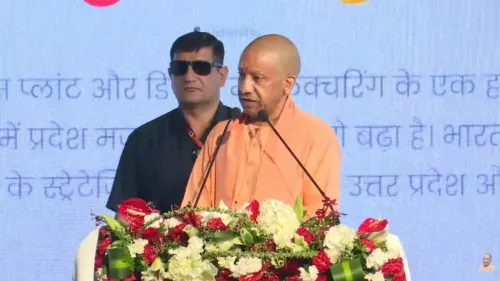
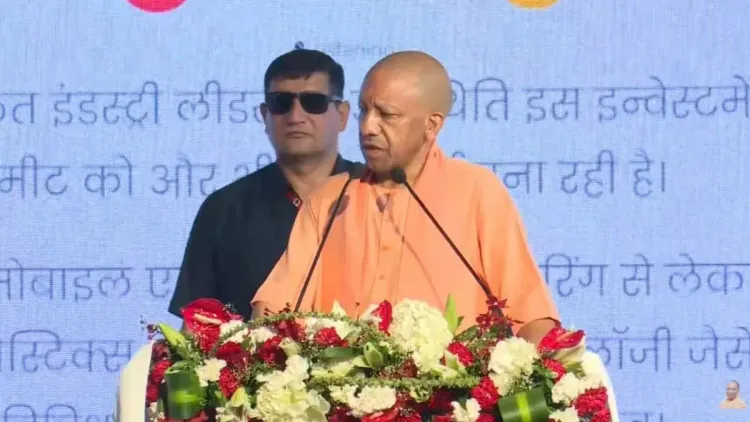
A partnership built on more than goodwill — Uttar Pradesh Chief Minister Yogi Adityanath on Wednesday, August 19, 2026, invoked the framework of shared growth, shared technology and shared prosperity to describe India's relationship with Japan, signalling the continued strategic weight both nations place on their bilateral engagement.
In his post, CM Yogi wrote: 'भारत-जापान के मध्य Shared Growth, Shared Technology and Shared Prosperity की साझेदारी है' — 'Between India and Japan, there exists a partnership of shared growth, shared technology and shared prosperity.' The phrase is not decorative. It maps directly onto the architecture of one of Asia's most consequential bilateral relationships.
A Strategic Partnership Decades in the Making
The India-Japan strategic partnership, elevated formally in 2006, rests on three pillars that mirror precisely the language CM Yogi deployed: economic integration, technology transfer and mutual prosperity. The India-Japan Comprehensive Economic Partnership Agreement, signed in 2011, liberalised trade and opened channels for Japanese capital and expertise into Indian manufacturing and infrastructure. That agreement was not a ceiling — it became a floor.
The clearest symbol of shared technology in action is the Mumbai-Ahmedabad high-speed rail corridor, funded under a 2015 memorandum with Japanese financial and technical support. A bullet-train project in a country that had never built one is, by any measure, a transfer of civilisational-scale engineering capability.
Where UP Fits Into the Larger Picture
CM Yogi's engagement with Japan is not purely rhetorical. Since taking office in 2017, he has actively courted Japanese investment in Uttar Pradesh's industrial and infrastructure sectors — extending national-level agreements into on-the-ground project implementation. India's Act East Policy, articulated from 2014 onward, positioned Japan as a core Indo-Pacific partner, and state governments have become the delivery mechanism for that vision.
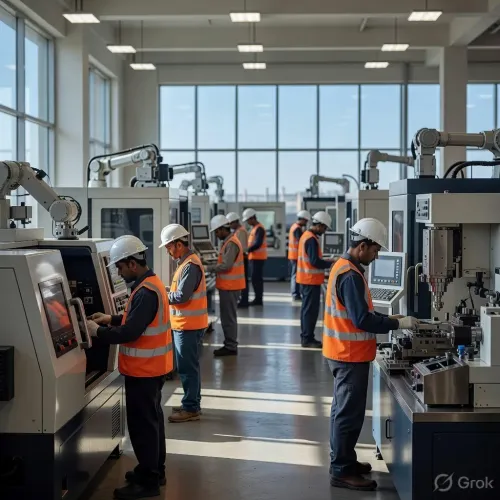
Japanese investors and the UP manufacturing sector are the practical stakeholders in this equation. Diversified supply chains, technology access and industrial corridor development are the tangible outputs both sides are working toward — not just summit communiqués.
The next milestone to watch: outcomes from the next India-Japan annual summit and any new investment MOUs specifically tied to Uttar Pradesh's industrial corridors. If the language of shared prosperity is to move from post to policy, those announcements will be where it lands.
Point of View
Converting national diplomatic frameworks into investable propositions for specific regions. For Uttar Pradesh — a state that has aggressively pitched itself as a manufacturing destination — aligning with Japan's technology-transfer reputation is a credibility signal to global capital. The timing also reflects the broader BJP strategy of weaving India's Indo-Pacific posture into domestic development narratives, making foreign policy legible and relevant to a state-level electorate.
NationPress
19 Aug 2026
Frequently Asked Questions
What is the India-Japan strategic partnership?
The India-Japan strategic partnership was elevated in 2006 and covers annual summits, defence dialogues, economic cooperation and technology collaboration, including infrastructure projects like the Mumbai-Ahmedabad high-speed rail corridor.
What did CM Yogi Adityanath say about India and Japan?
On August 19, 2026, CM Yogi stated that India and Japan share a partnership of shared growth, shared technology and shared prosperity, highlighting the depth of bilateral ties.
How is Japan involved in Uttar Pradesh's development?
Since 2017, CM Yogi Adityanath has actively promoted Japanese investment in Uttar Pradesh's industrial and infrastructure sectors, extending national-level India-Japan agreements into state-level projects.
What is India's Act East Policy and Japan's role in it?
India's Act East Policy, articulated from 2014 onward, positions Japan as a core partner for connectivity and economic integration in the Indo-Pacific, with Japan serving as a major source of technology transfer and development assistance.
What is the India-Japan Comprehensive Economic Partnership Agreement?
Signed in 2011, the India-Japan Comprehensive Economic Partnership Agreement liberalised trade between the two countries and encouraged mutual investment across manufacturing, infrastructure and technology sectors.