CM Naidu Hands Rs 200 Cr Checks to Veligonda Oustees
Synopsis
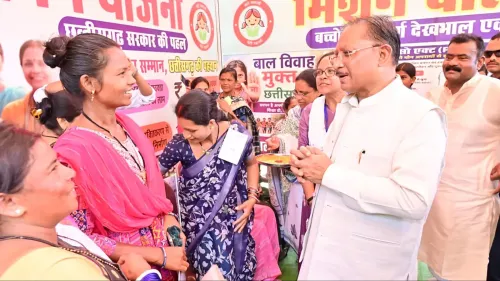
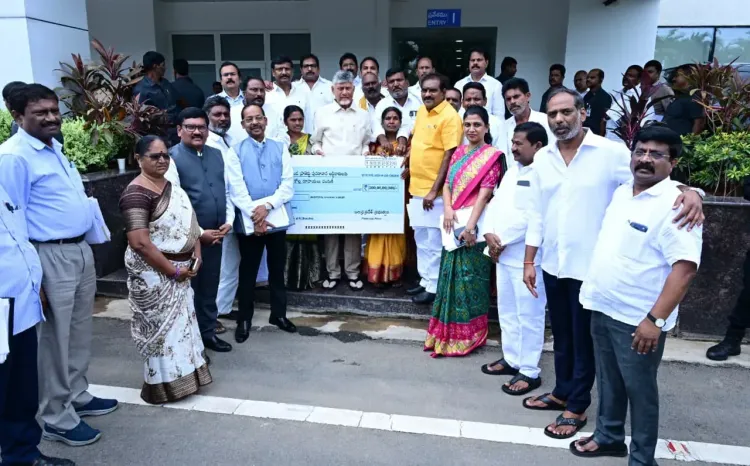
Chief Minister Chandrababu Naidu handed Phase-2 compensation cheques worth Rs 200 crore to 1,600 Veligonda Project displaced families on 19 August 2026, taking total OTS payouts to Rs 518 crore across 4,157 households. Six of seven R&R colonies are now ready for occupation ahead of the project's first-phase inauguration.
Key Takeaways
Rs 200 crore in Phase-2 OTS compensation cheques distributed to 1,600 displaced families by CM Naidu on 19 August 2026 .
Cumulative compensation under OTS now stands at Rs 518 crore paid to 4,157 families .
Phase-1 had already disbursed Rs 318 crore to 2,557 families who self-constructed homes.
6 of 7 R&R rehabilitation colonies have completed basic infrastructure; only Vemulakota remains pending.
Displaced families have begun relocating to completed R&R colony homes ahead of the project's first-phase launch.
The Veligonda Project draws from the Srisailam reservoir to irrigate drought-prone Prakasam, Nellore, and Chittoor districts.
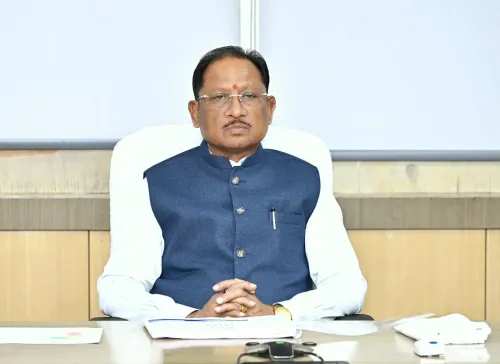
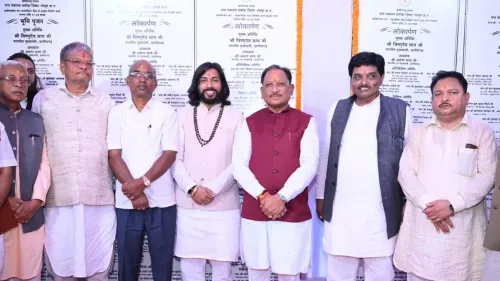
As the countdown to the Veligonda Project's first-phase inauguration tightens, Chief Minister Nara Chandrababu Naidu on Wednesday, 19 August 2026, personally handed over Phase-2 compensation cheques to displaced families — a gesture the government framed as formal recognition of the sacrifices made by farmers and oustees for one of Andhra Pradesh's most consequential irrigation undertakings.
Rs 518 Crore Paid Out Across 4,157 Families
The numbers are significant. Under the One-Time Settlement (OTS) scheme, 2,557 families who built their own homes had already received Rs 318 crore in the first phase. Today's disbursement adds Rs 200 crore for another 1,600 families, bringing the cumulative compensation payout to Rs 518 crore across 4,157 displaced households. CM Naidu, speaking at the event, said the government 'recognises the sacrifices of farmers and displaced persons who gave up everything for this project.'
The scale of that sacrifice is not abstract. Families displaced by large irrigation projects routinely lose not just land but livelihoods, community ties, and generational roots. Cutting cheques is the minimum obligation; what happens next — resettlement quality, infrastructure, follow-through — is where governments are judged.
Six of Seven R&R Colonies Ready for Occupation
On that front, the state says it is moving. Of the seven rehabilitation and resettlement (R&R) colonies built for Veligonda oustees, basic infrastructure work is complete in six — with only Vemulakota colony still pending. Displaced families have already begun relocating to the newly constructed homes in the completed colonies, the government stated. The remaining colony at Vemulakota is expected to follow once infrastructure work wraps up.
The Veligonda Project is a lift irrigation scheme drawing water from the Srisailam reservoir to irrigate drought-prone stretches of Prakasam, Nellore, and Chittoor districts — regions that have historically struggled with erratic rainfall and groundwater depletion. For those districts, the project is not a statistic; it is the difference between a viable agricultural season and a failed one.
First-Phase Inauguration on the Horizon
The Andhra Pradesh government has signalled that the first-phase launch is imminent, though no specific date has been publicly confirmed. Naidu's administration has made completing stalled or delayed irrigation projects a signature priority — and Veligonda, with its decades-long construction history, is among the most politically and economically visible of those commitments. Delivering compensation and handing over R&R colonies before the inauguration serves a dual purpose: it clears a critical social obligation and strengthens the political optics of a project milestone.
For the families who gave up their homes and fields, the cheques are a long-overdue reckoning. Whether the R&R colonies and the project itself deliver on their full promise is what the next chapter will answer.
Point of View
A sequencing that mirrors his administration's broader strategy of pairing infrastructure milestones with visible beneficiary outreach. For TDP, completing stalled irrigation projects inherited from prior governments is a core electoral promise, and Veligonda's progress directly tests that credibility. The R&R colony completion data — six of seven ready — is the more telling metric: it suggests implementation is tracking, not just rhetoric. The unfinished Vemulakota colony, however, remains a watch point that critics could exploit if delays persist past the inauguration.
NationPress
3 Oct 2026
Frequently Asked Questions
What is the Veligonda Project in Andhra Pradesh?
The Veligonda Project is a major lift irrigation scheme that draws water from the Srisailam reservoir to supply drought-prone areas in Prakasam, Nellore, and Chittoor districts of Andhra Pradesh.
How much compensation has the AP government paid to Veligonda displaced families?
As of 19 August 2026, the Andhra Pradesh government has paid a total of Rs 518 crore to 4,157 displaced families under the OTS scheme — Rs 318 crore to 2,557 families in Phase 1 and Rs 200 crore to 1,600 families in Phase 2.
What is the OTS scheme for Veligonda oustees?
OTS stands for One-Time Settlement — a scheme under which the Andhra Pradesh government provides a lump-sum compensation payment to families displaced by the Veligonda Project who built their own homes after relocation.
How many R&R colonies have been built for Veligonda displaced families?
Seven rehabilitation and resettlement (R&R) colonies have been built. Infrastructure work is complete in six of them; only Vemulakota colony still has pending work as of August 2026.
When is the Veligonda Project first phase inauguration?
The Andhra Pradesh government has indicated the first-phase inauguration is imminent as of August 2026, but no specific date has been officially confirmed in the available information.