CM Yogi Hails PM Modi's Launch of 75 Amrit Stations
Synopsis
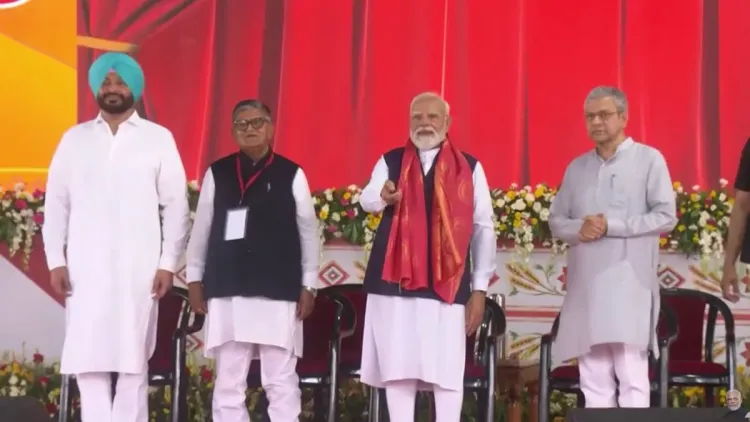
Prime Minister Narendra Modi inaugurated 75 redeveloped Amrit Bharat stations on 17 July 2026. Uttar Pradesh Chief Minister Yogi Adityanath welcomed the move, highlighting that seven UP stations are part of this tranche and will boost connectivity, tourism, trade, and local employment across the state.
Key Takeaways
PM Narendra Modi inaugurated 75 redeveloped Amrit Bharat stations on 17 July 2026 under the Viksit Bharat vision.
Seven stations in Uttar Pradesh are included in this tranche of redeveloped rail hubs.
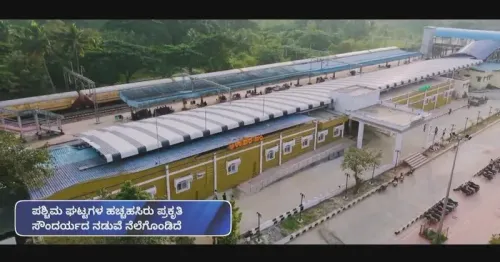
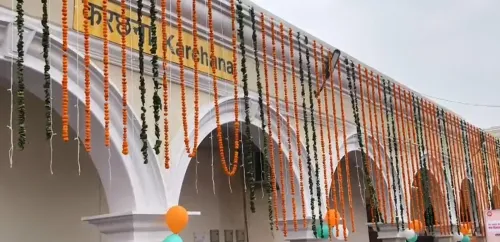
Stations are designed as 'city centres' inspired by local culture and architecture, with modern passenger amenities.
Each station integrates solar energy, water conservation , and green zones as part of sustainability mandates.
CM Yogi Adityanath stated the upgrades will generate new opportunities in tourism, trade, and employment at the local level.
The Amrit Bharat Station Scheme , launched in 2023 , targets redevelopment of over 1,300 stations nationwide.
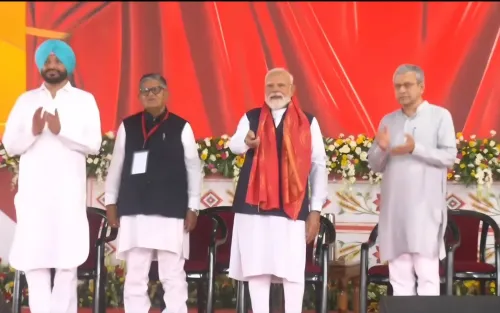
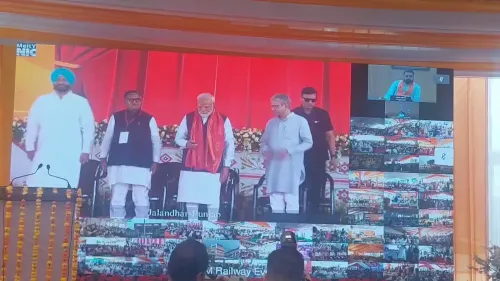
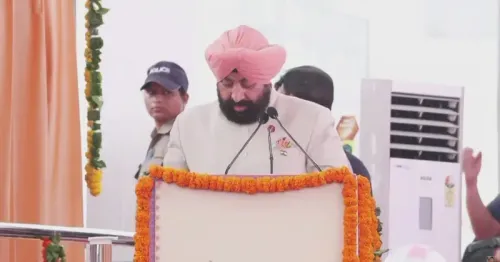
Uttar Pradesh Chief Minister Yogi Adityanath on Friday, 17 July 2026 welcomed Prime Minister Narendra Modi's inauguration of 75 redeveloped Amrit Bharat stations across the country, noting that seven stations in Uttar Pradesh are among the newly commissioned facilities under the scheme.
In his post, CM Yogi described the inauguration as 'ek aitihasik kadam' ('a historic step') in the direction of modern rail infrastructure, and expressed gratitude to the Prime Minister for what he called an 'anupam saugaat' ('unparalleled gift') of world-class railway facilities for the people of Uttar Pradesh.
Context
The Amrit Bharat Station Scheme, launched in 2023, targets the redevelopment of more than 1,300 railway stations across India under the broader Viksit Bharat vision — the central government's long-term roadmap for a developed India by 2047. The current tranche of 75 stations represents a phased rollout that began with an earlier batch inaugurated in 2024.
The scheme envisions transforming railway stations from transit points into 'city centres' — integrated civic nodes that blend modern amenities with local architectural and cultural identity. Each station is designed to reflect the heritage of its region while meeting contemporary passenger expectations.
Policy Backdrop
The redeveloped stations incorporate solar energy systems, water conservation infrastructure, and green zones — aligning with the central government's wider sustainability mandates for public infrastructure. Passenger-facing upgrades include improved parking, fully equipped waiting lounges, and accessible facilities.
CM Yogi's post underscored that the stations have been designed with 'sthaniya sanskriti aur vastukala' ('local culture and architecture') as their inspiration. This design philosophy mirrors a nationwide pattern of using station redevelopment to reinforce regional identity while standardising service quality.
Stakeholders and Impact
The seven Uttar Pradesh stations included in this tranche are expected to benefit daily rail passengers, local traders, and the state's tourism sector. CM Yogi stated that the upgraded facilities would generate new opportunities in tourism, trade, and employment at the local level.
Uttar Pradesh, India's most populous state, has a dense rail network that serves hundreds of millions of passenger journeys annually. World-class station infrastructure in even a handful of key nodes can have a measurable multiplier effect on footfall, commercial activity, and regional connectivity.
What's Next
With 75 stations now inaugurated in this round, attention will turn to the rollout of the remaining stations under the Amrit Bharat Station Scheme, which covers more than 1,300 stations in total. State governments, including Uttar Pradesh, are expected to monitor employment and tourism outcomes from the redeveloped facilities as benchmarks for the programme's broader impact.
The integration of green infrastructure — solar panels, water harvesting, and landscaped areas — will also be watched as a test case for whether large-scale public infrastructure can meaningfully advance India's sustainability commitments alongside its connectivity goals.
Point of View
Reinforcing a shared political narrative between Lucknow and New Delhi. The specific call-out of seven Uttar Pradesh stations serves a dual purpose: it localises a national achievement for UP's vast electorate while signalling the state government's alignment with the Viksit Bharat agenda ahead of future electoral cycles. The emphasis on tourism, trade, and employment outcomes also reflects a deliberate shift in how infrastructure is communicated — less as construction and more as an economic multiplier. How quickly tangible benefits materialise at these seven stations will determine whether the political dividend matches the rhetorical investment.
NationPress
16 Oct 2026
Frequently Asked Questions
What is the Amrit Bharat Station Scheme?
The Amrit Bharat Station Scheme is a central government initiative launched in 2023 to redevelop more than 1,300 railway stations across India with modern passenger amenities, local architectural themes, solar energy, and water conservation features, transforming them into city-centre economic nodes.
How many UP stations were inaugurated under Amrit Bharat in July 2026?
Seven Uttar Pradesh stations were included in the tranche of 75 Amrit Bharat stations inaugurated by Prime Minister Narendra Modi on 17 July 2026.
What facilities do the redeveloped Amrit Bharat stations offer?
The redeveloped stations feature improved parking, fully equipped waiting lounges, accessible passenger facilities, solar energy systems, water conservation infrastructure, and green zones, all designed with local cultural and architectural inspiration.
What is the Viksit Bharat vision?
Viksit Bharat is the central government's long-term national vision to make India a fully developed country by 2047, with upgraded infrastructure, enhanced connectivity, and broad-based economic growth as its core pillars.
How will the Amrit Bharat stations benefit Uttar Pradesh?
CM Yogi Adityanath stated that the seven newly redeveloped stations will improve connectivity across Uttar Pradesh and generate new opportunities in tourism, trade, and local employment, while providing residents with world-class railway facilities.