CM Yogi Hails Modi for Honouring Kakori Revolutionaries

Synopsis
UP Chief Minister Yogi Adityanath praised PM Modi for honouring 1925 Kakori Train Action revolutionaries Ram Prasad Bismil, Ashfaqulla Khan and Thakur Roshan Singh through commemorative postal stamps, memorials and an official renaming of the historic incident.
Key Takeaways
CM Yogi Adityanath credited PM Narendra Modi with honouring the three Kakori revolutionaries on 9 August 2026 .
The government officially renamed the 1925 Kakori Kand to 'Kakori Train Action' , reframing it as an act of resistance rather than a criminal incident.
Commemorative postal stamps are being issued in the names of Ram Prasad Bismil , Ashfaqulla Khan , and Thakur Roshan Singh .
Memorial construction in the names of the three revolutionaries is under way in Uttar Pradesh .
Institutions are being named after the Kakori martyrs as part of a broader official recognition drive.
The moves form part of a pattern by BJP-led governments to broaden India's official independence narrative to include armed revolutionaries.
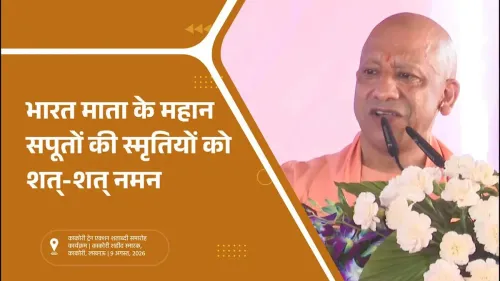
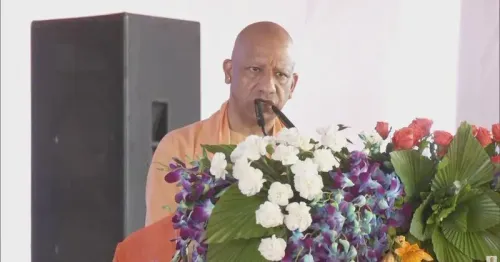
A century after British colonial authorities silenced them with the gallows, the names of Ram Prasad Bismil, Ashfaqulla Khan, and Thakur Roshan Singh are being stamped — literally — onto the national memory. The Chief Minister's Office of Uttar Pradesh shared a statement by CM Yogi Adityanath on Sunday, 9 August 2026, crediting Prime Minister Narendra Modi with a sustained campaign to restore these revolutionary figures to their rightful place in India's official history.
Quoting CM Yogi, the statement read: 'Bharat ki azaadi ke vastavik nayakon ko samman diya hai' — 'the true heroes of India's freedom have been honoured.' The tribute comes as the government issues commemorative postal stamps in the names of the three revolutionaries and moves to name institutions after them.
From 'Kakori Kand' to 'Kakori Train Action'
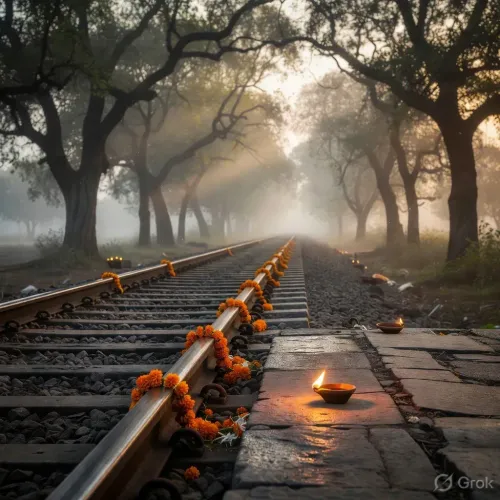
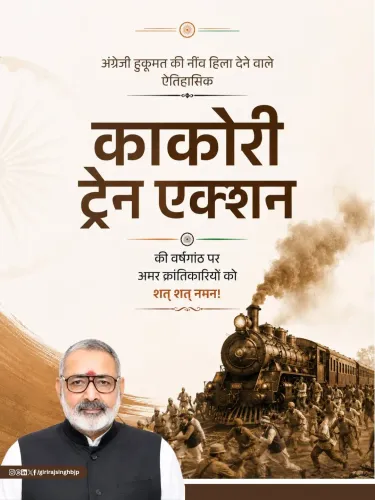
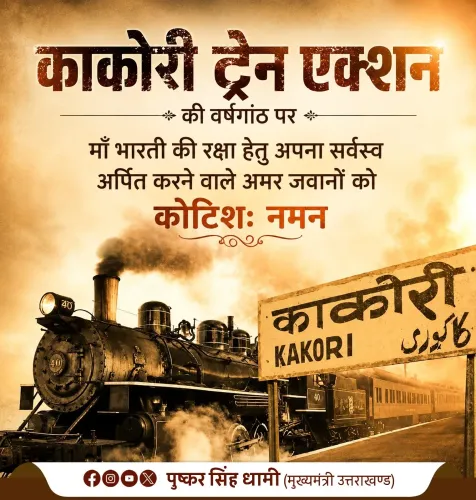
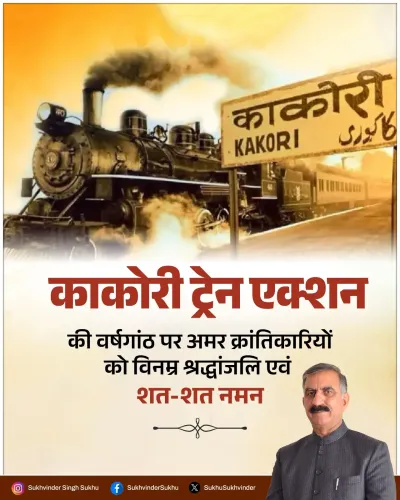
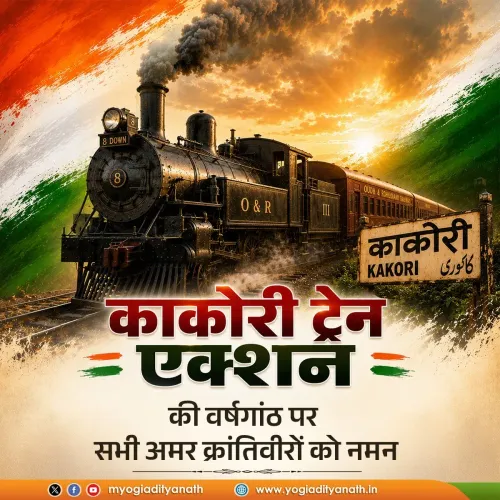
The renaming itself carries weight. For decades, the 1925 Kakori incident — in which members of the Hindustan Republican Association looted a British train to fund their anti-colonial struggle — was officially recorded as Kakori Kand, a word that carries connotations of a scandal or wrongdoing. The Modi government's decision to rechristened it the 'Kakori Train Action' reframes it as a deliberate act of resistance, not a crime. The language of the state, the argument goes, should not echo the language of the coloniser.
Bismil, Khan, and Roshan Singh paid for that action with their lives. Bismil and Ashfaqulla Khan were hanged in 1927, and Roshan Singh met the same fate — three men from starkly different backgrounds, united by a single cause, who had largely lived at the margins of mainstream independence historiography dominated by the non-violent movement.
Stamps, Memorials, and a Deliberate Rewrite of Remembrance
The postal stamps being issued mark a concrete, visible step in this rehabilitation. Commemorative philatelic issues have long served as the Indian state's way of officially endorsing historical figures — their faces on an envelope become a quiet declaration of belonging to the national story.
CM Yogi also highlighted ongoing memorial construction in the names of the three revolutionaries, part of a broader effort by both the central and Uttar Pradesh governments to build physical anchors for this revised historical recognition. Uttar Pradesh — where the Kakori action unfolded — forms the natural geography of this remembrance.
The pattern is deliberate: armed revolutionaries of the independence era, long overshadowed in official narratives, are being brought into the centre through memorials, renamings, and philatelic honours. Whether the stamps and institutions materialise on the announced timelines will be the real measure of intent.
Point of View
Elevating armed revolutionary figures who were historically sidelined in favour of the non-violent mainstream. For the Uttar Pradesh government, championing this narrative carries particular resonance: the Kakori action unfolded on UP soil and the martyrs are deeply embedded in the state's popular memory. CM Yogi's statement, amplified through the official CMO account, also serves to publicly align state and central governments on a shared historical project. Whether this translates into durable institutional change — completed memorials, curricula updates, named colleges — will define the legacy of these announcements.
NationPress
9 Aug 2026
Frequently Asked Questions
What was the Kakori Train Action?
The Kakori Train Action was a 1925 armed operation by members of the Hindustan Republican Association, including Ram Prasad Bismil and Ashfaqulla Khan, who looted a British train near Kakori in Uttar Pradesh to fund their anti-colonial struggle. The Modi government renamed it from 'Kakori Kand' to 'Kakori Train Action' to frame it as an act of resistance rather than a crime.
Who were Ram Prasad Bismil, Ashfaqulla Khan, and Thakur Roshan Singh?
All three were revolutionary freedom fighters executed by British colonial authorities following the 1925 Kakori incident. Bismil and Ashfaqulla Khan were hanged in 1927; Roshan Singh also faced the same fate. They were members of the Hindustan Republican Association and are considered martyrs of India's armed independence movement.
What did CM Yogi Adityanath say about PM Modi and the Kakori revolutionaries?
On 9 August 2026, CM Yogi Adityanath stated that PM Narendra Modi has honoured the true heroes of India's freedom struggle by initiating memorial construction for Bismil, Roshan Singh and Ashfaqulla Khan, renaming the Kakori incident as 'Kakori Train Action', issuing commemorative postal stamps, and naming institutions after these revolutionaries.
What commemorative stamps are being issued for the Kakori revolutionaries?
The Indian government is issuing postal stamps in the names of Ram Prasad Bismil, Ashfaqulla Khan and Thakur Roshan Singh. Commemorative philatelic issues are a standard way the Indian state officially recognises historical figures as part of the national story.
Why is the renaming of Kakori Kand to Kakori Train Action significant?
The word 'Kand' in Hindi implies a scandal or wrongdoing, reflecting the colonial-era framing of the 1925 incident as a crime. Renaming it 'Kakori Train Action' officially recognises it as a deliberate act of armed resistance against British rule, changing how the state — and history textbooks and public memory — characterises the event.