CM Yogi Hails UP Youth Recognition Under Double Engine Govt
Synopsis
Uttar Pradesh Chief Minister Yogi Adityanath posted on X on 6 November 2026, declaring that the BJP's 'double engine government' has ensured youth talent, hard work, and merit receive their due recognition in Uttar Pradesh.
Key Takeaways
CM Yogi Adityanath posted on 6 November 2026 crediting the 'double engine government' with honouring youth merit in Uttar Pradesh .
The phrase 'double engine government' refers to aligned BJP rule at the Centre and in Uttar Pradesh, a defining slogan since the 2017 UP elections .
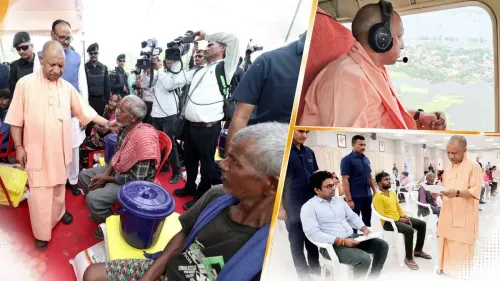
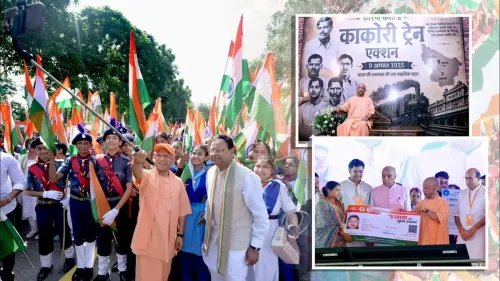
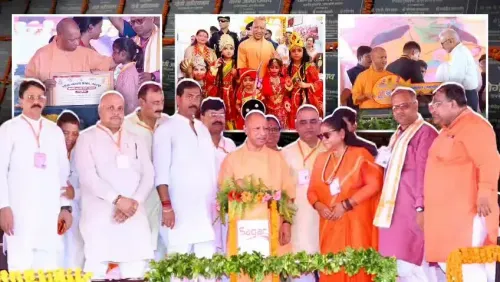
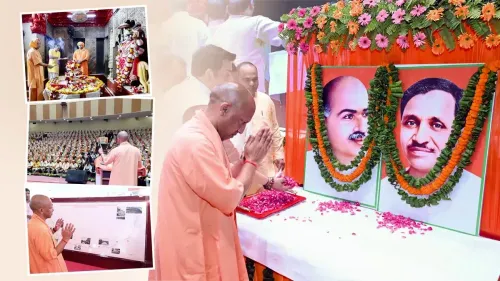
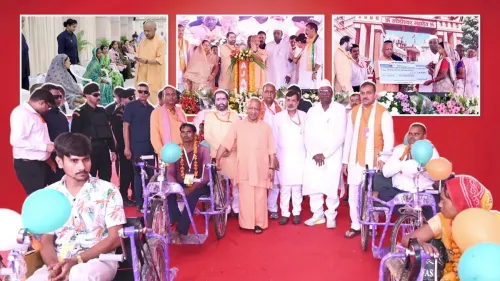
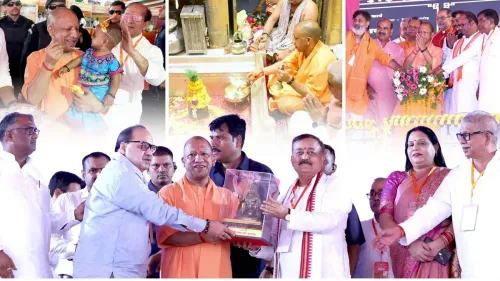
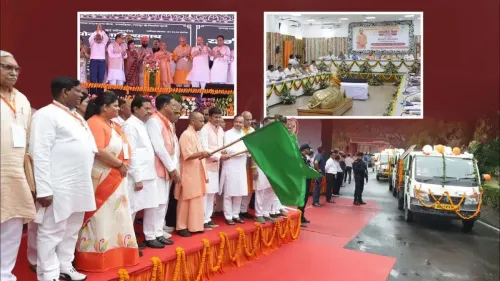
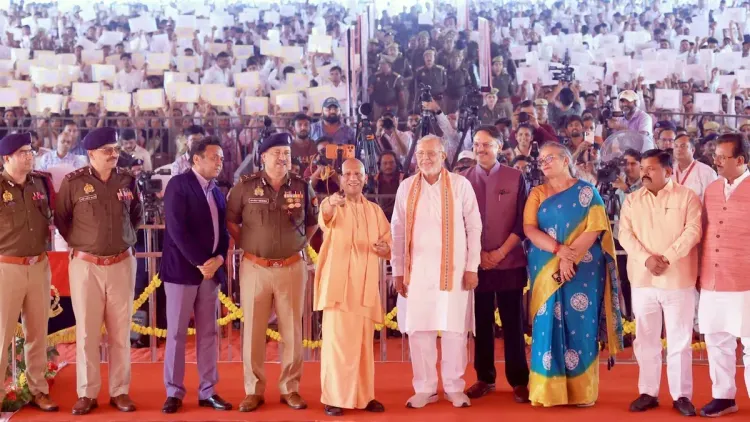
The post was accompanied by a video, suggesting a specific recognition event was being marked.
Uttar Pradesh is India's most populous state, making its youth constituency a major focus of both governance and political messaging.
The statement continues a long-running pattern of the Yogi administration positioning itself as a government that rewards talent over patronage.
Talent, hard work, and merit are finally getting their due — that is the message Uttar Pradesh Chief Minister Yogi Adityanath sent on Friday, 6 November 2026, crediting the state's 'double engine government' with ensuring that young people in Uttar Pradesh are seen, celebrated, and rewarded.
Posting on X, CM Yogi wrote: 'डबल इंजन सरकार में युवाओं की प्रतिभा, परिश्रम और योग्यता को मिला सम्मान' — 'In the double engine government, the talent, hard work, and merit of youth have received recognition.' The post, shared alongside a video, carried the unmistakable tone of a governance milestone being marked.
What 'Double Engine' Means for UP's Young
The phrase 'double engine government' has been a defining slogan for the Bharatiya Janata Party (BJP) since at least the 2017 Uttar Pradesh assembly elections. It refers to the alignment of power at both the Centre and the state — with the same party at the wheel in Lucknow and New Delhi — and the argument that this alignment removes friction, accelerates delivery, and channels resources more effectively to the ground.
For youth specifically, the Yogi Adityanath administration has repeatedly positioned itself as a government that rewards merit over patronage — a pointed contrast, its leaders say, to earlier regimes. The Chief Minister's post reinforces that narrative: that recognition in UP today flows from ability and effort, not political connections.
A Recurring Theme in BJP's UP Playbook
Uttar Pradesh is India's most populous state, with a youth demographic that carries enormous electoral and economic weight. Since 2017, the Yogi government has repeatedly used high-visibility recognition events, scholarship drives, and employment-linked programmes to signal its commitment to this constituency. Friday's post fits squarely within that pattern — a public affirmation that the architecture built over nearly a decade is producing results young people can feel.
The video accompanying the post — details of which were not independently available — likely captured one such recognition moment, lending visual weight to the claim. Watch for follow-up announcements from the state government on youth schemes or award ceremonies in the days ahead.
When a state of 240 million people turns its attention to rewarding merit, the question is never whether the gesture matters — it is whether the systems behind it last beyond the headline.
Point of View
It simultaneously credits both Lucknow and New Delhi, reinforcing party cohesion ahead of any future electoral cycle. The youth angle is not incidental: Uttar Pradesh's demographic profile makes young voters the single most consequential bloc in the state, and consistent signalling on merit and opportunity is part of a deliberate long-game strategy. What the post leaves open is the specific programme or event being celebrated — the absence of detail keeps the message broad and maximally inclusive.
NationPress
7 Nov 2026
Frequently Asked Questions
What did CM Yogi Adityanath post about youth on 6 November 2026?
CM Yogi Adityanath posted on X stating that in the 'double engine government,' the talent, hard work, and merit of Uttar Pradesh's youth have received recognition, sharing the message alongside a video.
What is the 'double engine government' in Uttar Pradesh?
The 'double engine government' is a BJP phrase describing simultaneous BJP rule at the Centre and in a state — in this case Uttar Pradesh — with the argument that aligned governance accelerates development and service delivery.
How has the Yogi government focused on youth in Uttar Pradesh?
Since 2017, the Yogi Adityanath administration has repeatedly launched recognition events, scholarship programmes, and employment-linked schemes positioning merit over patronage as the basis for opportunity in UP.
Why does Uttar Pradesh's youth matter politically for the BJP?
Uttar Pradesh is India's most populous state, and its large youth demographic is a decisive electoral constituency — consistent messaging on jobs, merit, and recognition is a core part of the BJP's strategy there.
When did the BJP first use the 'double engine government' slogan?
The BJP has used the 'double engine government' phrase prominently since at least the 2017 Uttar Pradesh assembly elections, making it a durable part of the party's Centre-state governance narrative.