CM Yogi: Women Working Night Shifts Shows UP's Safety Gains
Synopsis
Chief Minister Yogi Adityanath says women working night shifts in UP offices and industries is a powerful sign of the state's improved security environment, pointing to policy reforms under Mission Shakti and amended labour rules that enabled round-the-clock female employment.
Key Takeaways
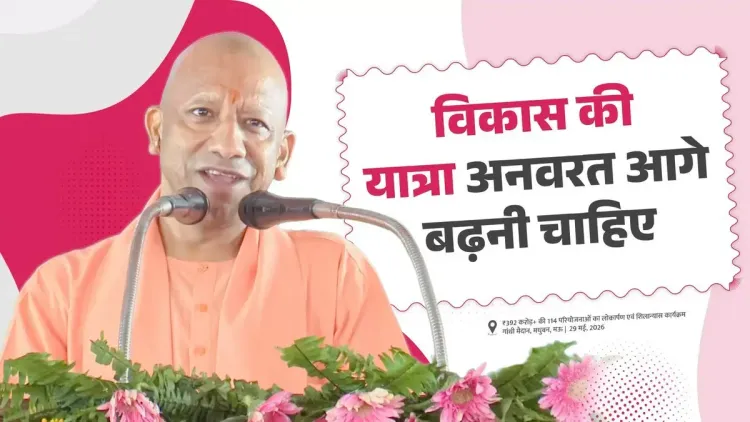
CM Yogi Adityanath stated on 29 May 2026 that women are now working night shifts in offices and industries across Uttar Pradesh .
The Chief Minister called this development 'a powerful example of better security arrangements' in the state.
Uttar Pradesh amended the Factories Act and Shops and Establishments Act to permit women's night shifts subject to employer-provided transport and security.
The Mission Shakti programme has been the state's primary vehicle for combining safety infrastructure with women's economic empowerment.
Female labour-force participation in UP has historically been below the national average, making night-shift access a significant policy lever.
Upcoming Periodic Labour Force Survey data for UP will be a key benchmark for assessing real-world impact.
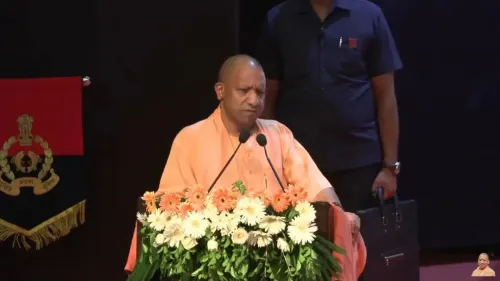
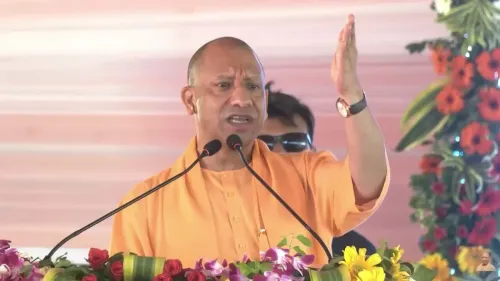
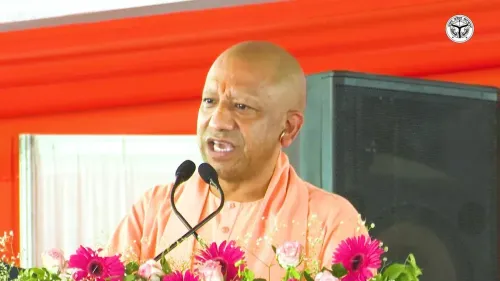
The Chief Minister's Office of Uttar Pradesh on Friday, 29 May 2026 shared a statement by Chief Minister Yogi Adityanath highlighting that women are now working night shifts in offices and industries across the state, calling it a strong indicator of improved law-and-order conditions.
The post, attributed directly to the Chief Minister, states: 'Aaj mahilaen night shift mein bhi kaaryaalayon aur udyogon mein kaary kar rahi hain' — 'Today, women are working night shifts in offices and industries as well. This is a powerful example of better security arrangements.'
Context
Uttar Pradesh, India's most populous state, has over the past several years amended rules under the Factories Act and the Shops and Establishments Act to allow women to work night shifts, subject to conditions including employer-provided transport and on-site security. The Chief Minister's statement frames the visible uptake of these night-shift roles by women as evidence that those safety conditions are now functioning on the ground.
The remark comes amid the state government's sustained messaging that stronger policing and judicial reform have made public spaces and workplaces safer for women, enabling round-the-clock economic activity.
Policy Backdrop
Since March 2017, the Yogi Adityanath administration has introduced stricter policing measures and fast-track courts for crimes against women. The flagship Mission Shakti programme has combined self-defence training, awareness campaigns, and institutional support to advance women's safety and empowerment across the state's 75 districts.
The legislative amendments permitting night shifts placed the compliance burden on employers — requiring verified transport, designated rest areas, and security personnel — before women could be rostered for overnight hours. The Chief Minister's statement implicitly signals that this framework is being observed in practice.
Stakeholders and Impact
The industries most directly affected include IT and BPO operations, garment and textile manufacturing, and pharmaceutical production, all of which depend heavily on multi-shift workforces to remain competitive. For women employed in these sectors, access to night shifts means higher earnings potential through shift allowances and expanded career progression.
Female labour-force participation in Uttar Pradesh has historically remained below the national average, making the expansion of night-shift access a lever that economists and labour-policy advocates have argued could meaningfully raise formal employment numbers. Employers, for their part, gain greater scheduling flexibility and the ability to run continuous operations without restricting their talent pool.
What's Next
Analysts and labour-rights groups will watch for updated Periodic Labour Force Survey data for Uttar Pradesh to assess whether the visible presence of women in night-shift roles is translating into measurable gains in female workforce participation rates. Any new compliance guidelines from the state Labour Department on employer obligations for night-shift workers would be a further signal of institutional follow-through.
The broader implication is that if Uttar Pradesh can demonstrate a sustained, data-backed rise in women's formal employment alongside credible safety metrics, it would strengthen the case for other large states to adopt similar regulatory frameworks — and intensify pressure on the central government to harmonise night-shift rules across all states under a unified labour code.
Point of View
A domain on which his administration has staked considerable political capital. It connects directly to the state's dual narrative of safety reform and economic growth, framing security not merely as a social good but as an enabler of industrial productivity. The reference sits within a broader pattern of the UP government using women's mobility and workforce participation as a barometer of its policing success — a framing that resonates with both investors and voters. The real test, however, will come from independent labour data rather than anecdotal visibility.
NationPress
23 Sept 2026
Frequently Asked Questions
Are women allowed to work night shifts in Uttar Pradesh?
Yes. Uttar Pradesh amended the Factories Act and Shops and Establishments Act to permit women to work night shifts, provided employers arrange safe transport, security personnel, and designated rest facilities.
What is Mission Shakti in Uttar Pradesh?
Mission Shakti is a UP government programme launched to improve women's safety and empowerment through self-defence training, awareness drives, and institutional support spread across all 75 districts of the state.
What did CM Yogi say about women working night shifts?
CM Yogi Adityanath said that women working night shifts in offices and industries is a powerful example of the improved security arrangements his government has put in place in Uttar Pradesh.
How does women's night-shift work connect to UP's law-and-order record?
The state government argues that the visible uptake of night-shift roles by women reflects that its policing reforms and fast-track courts for crimes against women have made workplaces and public spaces safer, enabling round-the-clock operations.
What is the female labour-force participation rate in Uttar Pradesh?
Female labour-force participation in Uttar Pradesh has historically been below the national average, which is why policy measures expanding women's access to formal employment — including night shifts — are considered significant by labour economists.