CM Yogi highlights India-Nepal 'roti-beti' ties

Synopsis
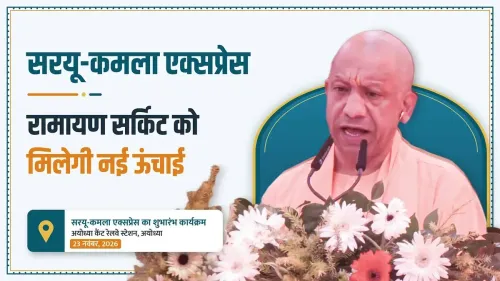
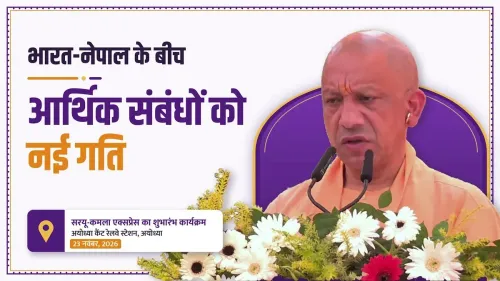
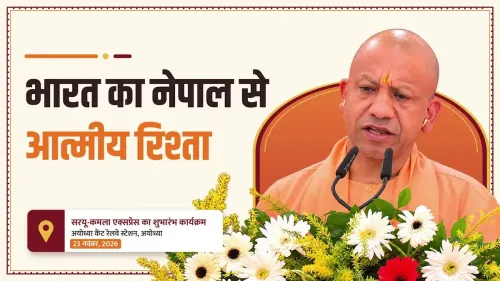
Chief Minister Yogi Adityanath described India and Nepal as bound by faith, shared rivers and families, invoking the familiar 'roti-beti' phrase for cross-border ties. The Uttar Pradesh Chief Minister's Office shared his remarks without specifying their occasion.
Key Takeaways
The Uttar Pradesh Chief Minister's Office shared Yogi Adityanath's remarks on November 23, 2026 .
Adityanath described India-Nepal ties as thousands of years old and rooted in faith and affinity.
He invoked 'roti-beti' to describe a bond built on shared rivers and families.
The 1950 Indo-Nepal Treaty of Peace and Friendship established a framework for close relations, including an open border regime.
The post did not specify the occasion for the remarks or announce a new agreement.
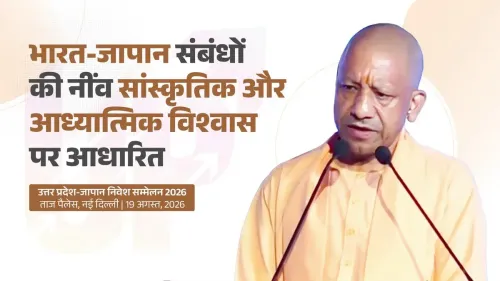
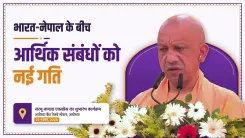
Shared rivers and families bind India and Nepal, the Chief Minister's Office of Uttar Pradesh said on November 23, 2026, quoting Chief Minister Yogi Adityanath on a relationship he described as thousands of years old. His remarks put the everyday connections across the border at the centre of the two neighbours' ties.
Yogi Adityanath on the 'roti-beti' bond
In the post, Adityanath said the relationship between India and Nepal stretches back to mythological times and connects people through faith and affinity. Built on shared rivers and shared families, he said, it is commonly called a 'roti-beti' relationship.
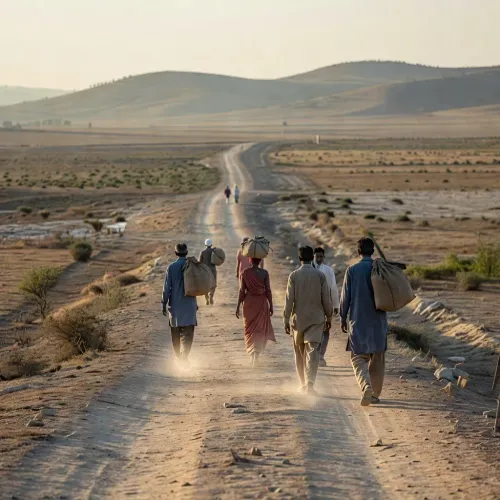
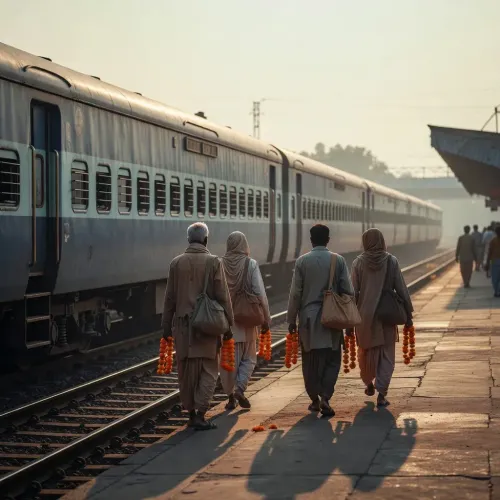
The phrase evokes ties of food and family, including marriages across the border. For communities in Uttar Pradesh and neighbouring Nepal, those connections sit alongside religious and linguistic links that extend beyond formal diplomacy.
The 1950 treaty and an open border
The 1950 Indo-Nepal Treaty of Peace and Friendship established a framework for close relations between the two countries, including an open border regime. That framework gives a formal dimension to the people-to-people links the chief minister highlighted.
The post did not identify the occasion for the remarks or announce a new agreement. Its focus was instead on a relationship lived across borders as well as managed between governments.
Frequently Asked Questions
What did Yogi Adityanath say about India and Nepal?
He described the countries' relationship as thousands of years old and rooted in faith, affinity, shared rivers and families.
What does roti-beti mean in India-Nepal relations?
It refers to close ties of food and family between people across the border, including cross-border marriages.
What is the 1950 India-Nepal treaty?
The 1950 Indo-Nepal Treaty of Peace and Friendship established a framework for close relations, including an open border regime.
Did Yogi Adityanath announce a new agreement with Nepal?
No new agreement was announced in the post. The Chief Minister's Office shared his remarks about historical and family ties without specifying the occasion.