PM Modi Reaffirms India-Nepal Special Partnership
Synopsis
Prime Minister Narendra Modi on June 10, 2026, acknowledged goodwill wishes from Nepalese politician Rabi Lamichhane and reaffirmed India's commitment to its 'special partnership' with Nepal, underscoring the Neighbourhood First policy that has guided bilateral ties since 2014.
Key Takeaways
PM Modi publicly thanked Rabi Lamichhane , founder of Nepal's Rastriya Swatantra Party and former Deputy PM, for his goodwill wishes on June 10, 2026 .
Modi described the India-Nepal relationship as a 'special partnership' and pledged to strengthen 'multifaceted ties'.
India's Neighbourhood First policy, launched with Modi's first foreign visit to Nepal in August 2014 , underpins the bilateral engagement.
Key areas of cooperation include cross-border rail and road connectivity, hydropower projects, and a US$1 billion earthquake reconstruction commitment made in 2015 .
The exchange signals New Delhi's intent to maintain positive ties with Nepal's evolving political leadership.
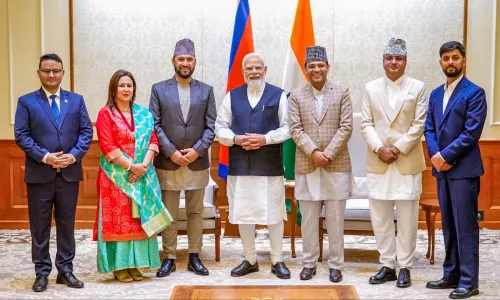
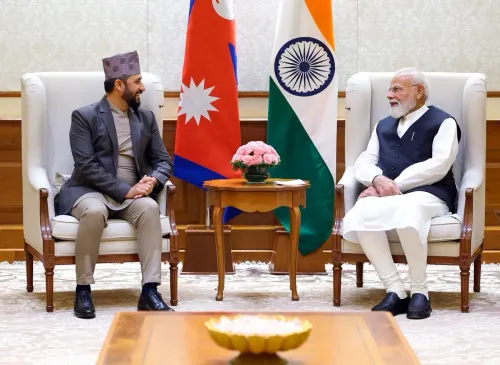
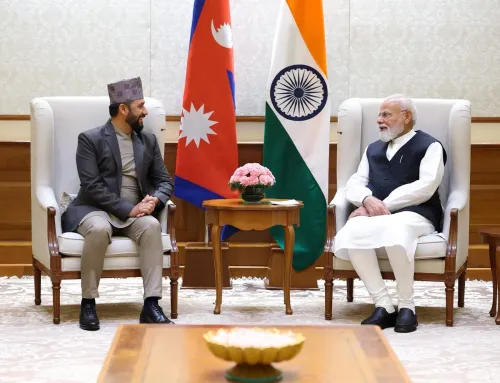
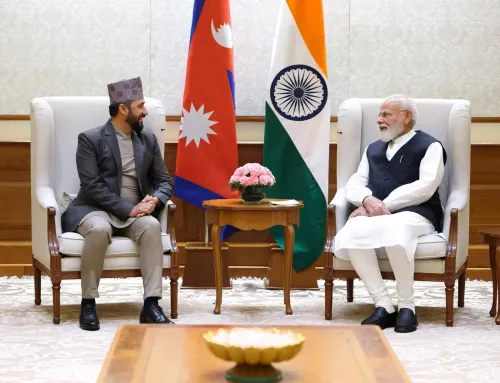
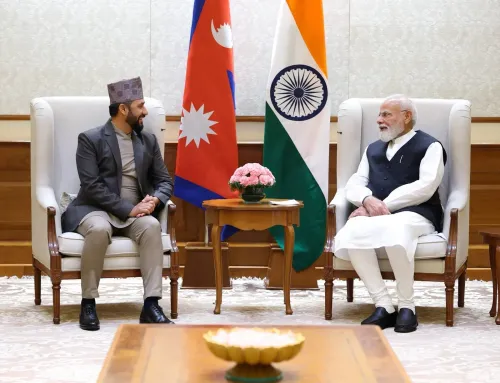
Prime Minister Narendra Modi on Wednesday, June 10, 2026, responded to goodwill wishes from Rabi Lamichhane, a prominent Nepalese politician and founder of the Rastriya Swatantra Party, reaffirming India's commitment to deepening its 'special partnership' with Nepal.
Context
In his post on X, Prime Minister Modi wrote: 'Thank you for your kind wishes Mr. Rabi Lamichhane. We deeply value our special partnership with Nepal and are committed to working towards further strengthening our multifaceted ties.' The exchange reflects the routine but significant diplomatic practice of high-level goodwill messaging between India and its northern neighbour. Lamichhane, who has served as Nepal's Deputy Prime Minister and Home Minister, is a key figure in Kathmandu's evolving political landscape.
Policy Backdrop
India-Nepal relations are anchored in the foundational 1950 Indo-Nepal Treaty of Peace and Friendship, which established open borders and deep bilateral ties. Prime Minister Modi made Nepal the destination of his first foreign visit in August 2014, signalling the centrality of the relationship under his 'Neighbourhood First' foreign policy doctrine. Since then, bilateral engagement has spanned rapid earthquake relief — including a US$1 billion reconstruction commitment following the 2015 earthquake — cross-border rail and road connectivity projects, and expanding hydropower cooperation.
The 2017 India-Nepal Joint Commission meeting advanced multiple infrastructure corridors, and subsequent summits through 2020–2022 kept energy trade and connectivity at the forefront of the agenda. Modi's reference to 'multifaceted ties' encompasses these economic, cultural, and people-to-people dimensions that successive governments in both countries have worked to consolidate.
Stakeholders and Impact
The relationship directly affects millions of people living along the India-Nepal open border, as well as the large Nepalese diaspora working in India. Hydropower developers on both sides of the border stand to benefit from continued progress on pending power-trade agreements, while border communities depend on uninterrupted trade and mobility. Lamichhane's Rastriya Swatantra Party, a relatively new but significant force in Nepalese politics, represents a constituency that has shown interest in pragmatic economic engagement with New Delhi.
India's engagement with Nepal also carries a strategic dimension, as New Delhi seeks to manage external influence in the region while maintaining its position as Kathmandu's closest and most consequential partner. Goodwill exchanges at this level signal continuity of intent regardless of shifts in Nepal's coalition politics.
What's Next
Observers will watch for the scheduling of the next India-Nepal Joint Commission meeting or a bilateral summit, which could translate this diplomatic warmth into concrete progress on pending rail links, road corridors, and power-trade agreements. Any formal visit by Lamichhane or other senior Nepalese leaders to New Delhi — or a reciprocal visit by Prime Minister Modi to Kathmandu — would be a strong indicator that the relationship is moving into a new phase of structured engagement. The tone set by this exchange suggests New Delhi is keen to maintain positive momentum with Nepal's current political leadership.
Point of View
Regardless of coalition configurations, to ensure continuity in the Neighbourhood First framework. By using the phrase 'special partnership' — language reserved for a select group of bilateral relationships — Modi signals that the relationship is elevated above routine neighbourly diplomacy. The outreach to Lamichhane, whose Rastriya Swatantra Party represents a newer political generation in Nepal, also suggests New Delhi is investing in relationships beyond the traditional party establishments. This kind of proactive diplomatic signalling is designed to pre-empt drift in bilateral ties during periods of political flux in Kathmandu.
NationPress
26 Oct 2026
Frequently Asked Questions
What did PM Modi say to Rabi Lamichhane?
PM Modi thanked Rabi Lamichhane for his 'kind wishes' and said India 'deeply values' its special partnership with Nepal, committing to further strengthen their multifaceted ties.
Who is Rabi Lamichhane?
Rabi Lamichhane is a Nepalese politician and the founder of the Rastriya Swatantra Party. He previously served as Nepal's Deputy Prime Minister and Home Minister.
What is India's Neighbourhood First policy?
Neighbourhood First is India's foreign policy doctrine, launched by PM Modi in 2014, that prioritises deep bilateral engagement with South Asian neighbours through connectivity, trade, and people-to-people links.
What are the main areas of India-Nepal cooperation?
Key areas include cross-border rail and road infrastructure, hydropower development and power trade, open border arrangements under the 1950 Indo-Nepal Treaty, and cultural and people-to-people ties.
Why does India engage with multiple political parties in Nepal?
Nepal's coalition politics means governments can change frequently. India maintains ties across the political spectrum to ensure continuity in bilateral projects and to prevent any single political shift from disrupting long-term cooperation.