PM Modi reaffirms India-Nepal friendship ties
Synopsis
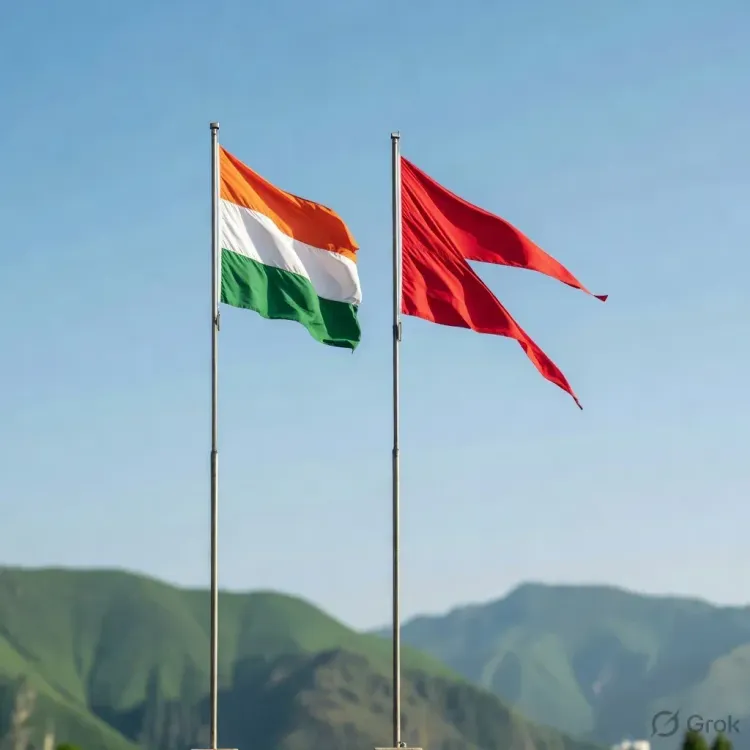
On India's Independence Day 2026, PM Narendra Modi acknowledged warm wishes from Nepal's Rabi Lamichhane and reaffirmed New Delhi's commitment to strengthening India-Nepal bonds of friendship for mutual progress — a signal consistent with India's Neighbourhood First policy.
Key Takeaways
PM Narendra Modi responded to Independence Day wishes from Rabi Lamichhane , founder of Nepal's Rastriya Swatantra Party , on 15 August 2026 .
Modi reaffirmed India's commitment to 'strengthening the deep bonds of friendship between India and Nepal for mutual progress and prosperity.' The exchange reflects India's Neighbourhood First policy of maintaining ties with a broad range of Nepali political actors.
The Indo-Nepal Treaty of Peace and Friendship (1950) remains the foundational legal framework for bilateral relations.
Key connectivity milestones include the Motihari-Amlekhganj petroleum pipeline and cross-border rail and power transmission projects.
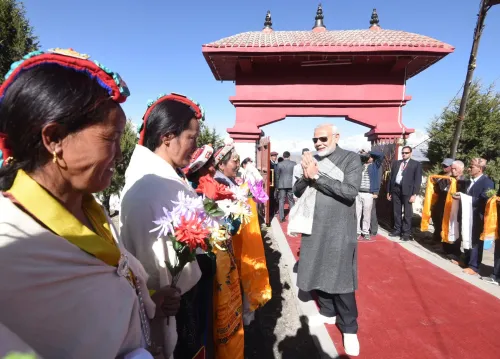
Modi's 2014 Kathmandu visit — the first by an Indian PM in 17 years — marked the start of renewed high-level engagement.
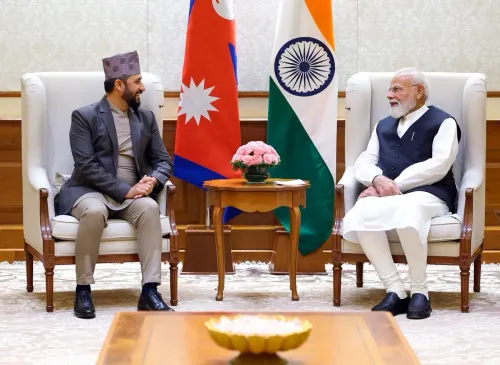
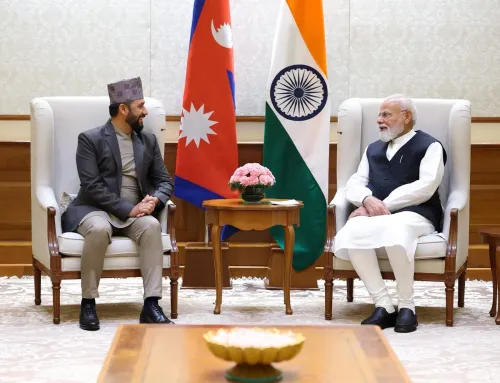
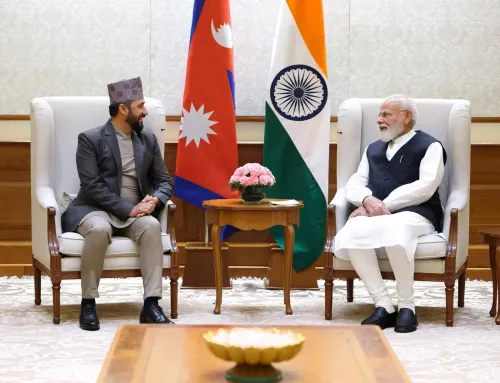
On Independence Day, 15 August 2026, Prime Minister Narendra Modi responded to warm wishes from Rabi Lamichhane, founder of Nepal's Rastriya Swatantra Party, reaffirming India's commitment to deepening bilateral bonds with its northern neighbour.
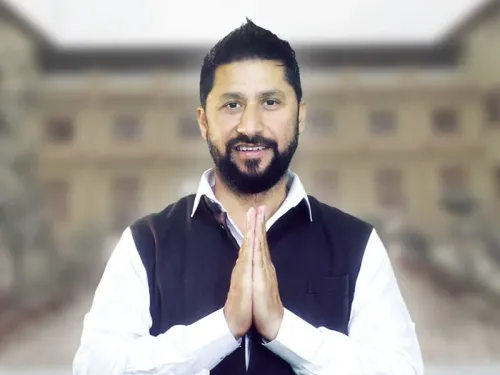
Modi wrote: 'Thank you Rabi Lamichhane Ji for your warm wishes. We are committed to strengthening the deep bonds of friendship between India and Nepal for mutual progress and prosperity.' The exchange, brief as it is, lands on a symbolically loaded date — India's Independence Day — and signals that New Delhi continues to keep diplomatic lines open with a wide spectrum of Kathmandu's political actors.
Lamichhane and the new face of Nepali politics
Rabi Lamichhane is a former journalist who built a mass following before founding the Rastriya Swatantra Party, one of Nepal's newer political forces that broke through on an anti-establishment platform. His outreach to Modi on 15 August — a date that carries enormous weight in South Asia — reflects the instinct of rising Nepali politicians to cultivate ties with New Delhi regardless of ideological stripe.A relationship built on more than goodwill
The India-Nepal relationship rests on a dense web of people, pipeline, and power. The foundational Indo-Nepal Treaty of Peace and Friendship (1950) governs open-border movement and security cooperation. More recently, the Motihari-Amlekhganj petroleum pipeline — inaugurated between 2018 and 2019 — became a concrete symbol of the connectivity agenda, alongside cross-border rail and electricity transmission projects. Modi's 2014 visit to Kathmandu, the first by an Indian Prime Minister in 17 years, set the tone for the current era of high-level engagement under the Neighbourhood First policy. Periodic friction over border demarcation and trade terms has not derailed steady project implementation — a pattern that defines the relationship's resilience. India's approach has been consistent across Kathmandu's frequent government changes: maintain contact, keep infrastructure moving, manage strains quietly.Point of View
Not just with governing coalitions. It fits the Neighbourhood First doctrine's core logic — keep every channel warm, because Kathmandu's governments change often. The exchange also hints at Lamichhane's growing stature as a political force worth cultivating. Longer term, the real test of the relationship will be progress on hydropower deals and the next Joint Commission meeting, where rhetoric meets deliverables.
NationPress
30 Sept 2026
Frequently Asked Questions
Why did Rabi Lamichhane wish PM Modi on 15 August?
15 August is India's Independence Day, and it is common practice for Nepali politicians to send greetings to Indian leaders on the occasion. Rabi Lamichhane extended such wishes, to which PM Modi responded publicly on X.
Who is Rabi Lamichhane?
Rabi Lamichhane is a Nepalese politician and former journalist who founded the Rastriya Swatantra Party , one of Nepal's newer political parties that emerged on an anti-establishment platform and won parliamentary representation.
What is India's Neighbourhood First policy?
India's Neighbourhood First policy prioritises diplomatic, economic and connectivity engagement with immediate neighbours including Nepal, Bhutan, Bangladesh, Sri Lanka and the Maldives . PM Modi made it a centrepiece of his foreign policy from 2014 onwards.
What are the key India-Nepal infrastructure projects?
Major projects include the Motihari-Amlekhganj petroleum pipeline inaugurated in 2018-19 , cross-border rail links, and electricity transmission lines connecting the two countries' grids.
What treaty governs India-Nepal relations?
The Indo-Nepal Treaty of Peace and Friendship (1950) is the foundational legal framework, covering open-border movement, trade and security cooperation between the two countries.