PM Modi Pledges Close Collaboration with Nepal's New Government
Synopsis
As Nepal celebrates its recent elections, PM Modi congratulates its citizens and government, reaffirming India's commitment to collaboration. The Rastriya Swatantra Party's impressive performance signals a new political landscape. Discover the implications for India-Nepal relations and Nepal's democratic evolution.
Key Takeaways
Modi congratulates Nepal on peaceful elections.
India's commitment to Nepal's new government is reaffirmed.
The Rastriya Swatantra Party is leading the elections.
The elections represent a historic moment in Nepal's democratic journey.
RSP's potential majority could reshape Nepal's political landscape.
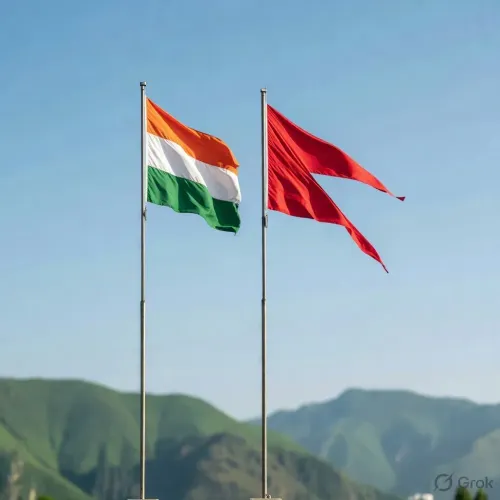
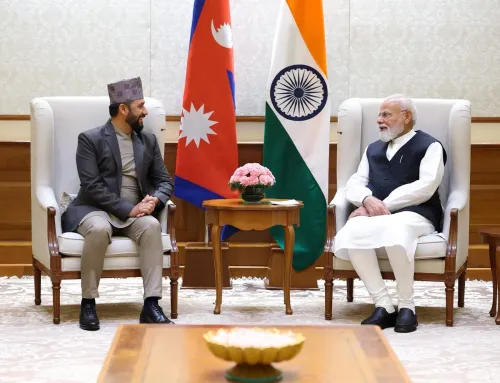
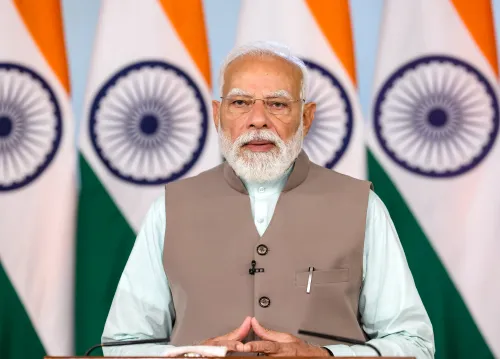
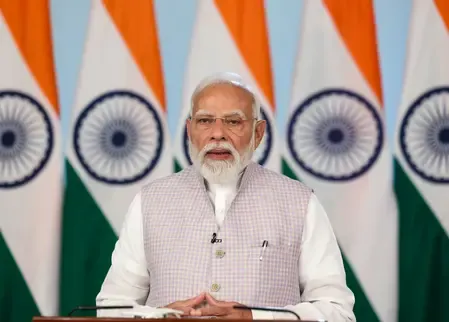
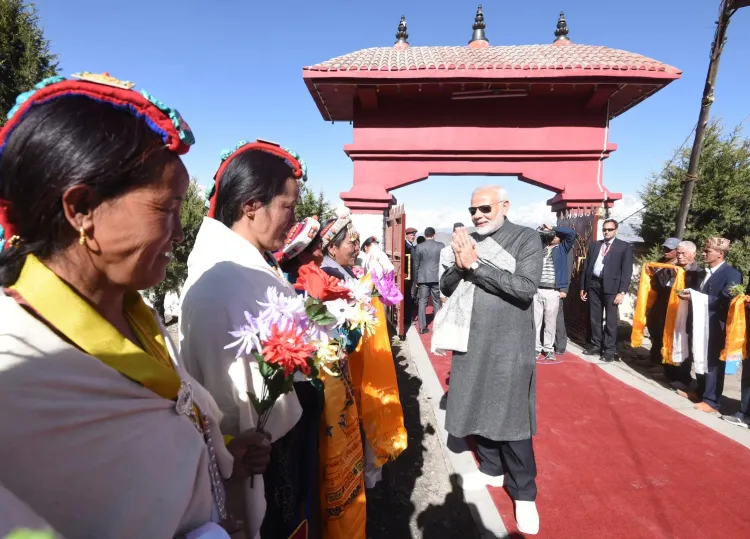
New Delhi/Kathmandu, March 7 (NationPress) Prime Minister Narendra Modi extended his heartfelt congratulations to the citizens and government of Nepal following the successful and peaceful elections held in the nation. He emphasized that as a close friend and neighbour, India is unwavering in its dedication to collaborating with the people and their newly elected government.
"I warmly commend the citizens and Government of Nepal for the successful and peaceful elections. It is truly inspiring to witness my Nepali sisters and brothers actively exercising their democratic rights," PM Modi expressed on X.
He referred to the elections as a significant landmark and a moment of pride in the democratic evolution of Nepal.
"This remarkable achievement is a proud chapter in Nepal's democratic journey. As a close friend and neighbour, India is committed to working alongside the people of Nepal and their new Government to achieve shared goals of peace, progress, and prosperity," he remarked.
On another note, the Rastriya Swatantra Party (RSP) is making waves in the elections, leading under the First-Past-the-Post (FPTP) system while also performing admirably under the proportional representation system, garnering over 56 percent of the counted votes as of Saturday afternoon.
If the current FPTP trend translates into electoral victories, the RSP could potentially secure two-thirds or nearly two-thirds of the seats in the 275-member House of Representatives.
The RSP has achieved a remarkable lead, with over 56 percent of the votes, a feat never before seen under the proportional representation system since its inception in Nepal's constitutional framework with the Interim Constitution of 2007.
In the 2022 elections, the Communist Party of Nepal (Unified Marxist–Leninist) (CPN-UML), led by K P Sharma Oli, received the highest number of votes, totaling 2.84 million, which is approximately 30.69 percent of the valid votes, as reported by the election authority.
The Nepali Congress came in second, securing just over 16 percent of the votes, followed by the CPN-UML, the Rastriya Prajatantra Party, and the Communist Party of Nepal (Maoist Centre), headed by former Prime Minister Pushpa Kamal Dahal.
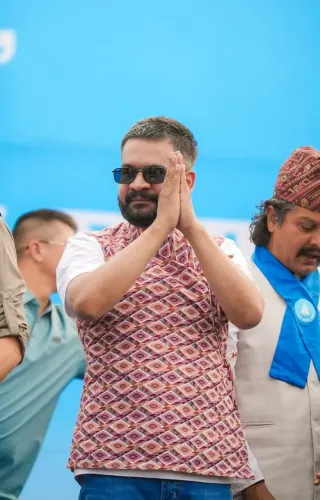
Under the FPTP system, the RSP, led by former media figure Rabi Lamichhane and its prime ministerial candidate Balen Shah, has won in 36 out of 165 constituencies and is currently leading in another 83.
Party president Lamichhane has claimed victory in Chitwan-2, while Shah has a considerable lead over former Prime Minister Oli in Jhapa-3, traditionally considered his stronghold, according to the latest figures released by the Election Commission of Nepal.
Point of View
Prime Minister Modi's timely acknowledgment reflects India's commitment to fostering regional stability and cooperation. The significant performance of the Rastriya Swatantra Party marks a pivotal moment in Nepal's political landscape, warranting close attention from both nations.
NationPress
6 Oct 2026
Frequently Asked Questions
What did PM Modi say about Nepal's elections?
PM Modi congratulated the people and government of Nepal on their successful and peaceful elections, emphasizing India's commitment to collaborate closely with them.
What is the Rastriya Swatantra Party's performance in the elections?
The Rastriya Swatantra Party (RSP) has secured over 56 percent of the votes and is leading in multiple constituencies, potentially achieving a significant majority in the House of Representatives.
How many seats are there in Nepal's House of Representatives?
Nepal's House of Representatives consists of 275 seats.
Who led the Communist Party of Nepal in the 2022 elections?
The Communist Party of Nepal (Unified Marxist–Leninist), led by K P Sharma Oli, received the highest number of votes in the 2022 elections.
What is the significance of the RSP's election performance?
The RSP's performance under the proportional representation system marks a historic moment, achieving a lead never seen before in Nepal's electoral history.