PM Modi Extends Congratulations to RSP Leaders After Nepal Election Triumph
Synopsis
In a significant political development, Indian Prime Minister Narendra Modi congratulated the leadership of the Rastriya Swatantra Party on their successful electoral performance in Nepal's recent parliamentary elections, highlighting the potential for stronger India-Nepal relations moving forward.
Key Takeaways
RSP's Victory: The RSP won 125 seats, indicating a strong mandate.
Modi's Congratulations: PM Modi's call reflects India's support for Nepal's new government.
Future Relations: Potential for improved India-Nepal relations as emphasized by Modi.
Ongoing Support: India has consistently assisted Nepal with election logistics.
Diplomatic Initiatives: The RSP aims for a balanced approach to tackle diplomatic challenges.
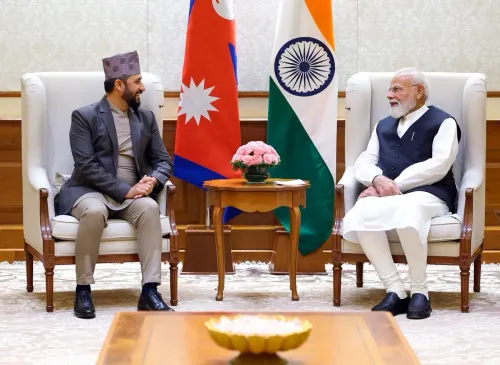
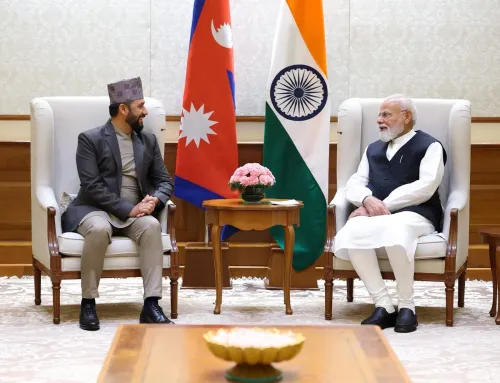
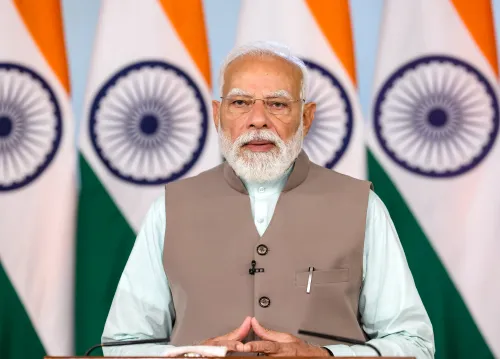
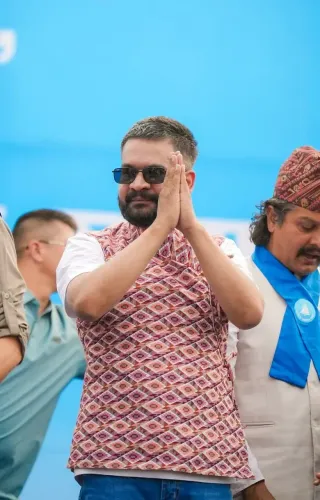
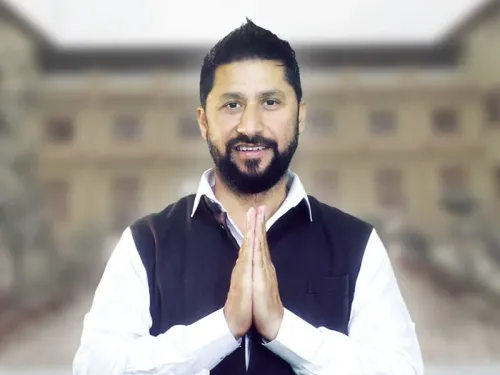
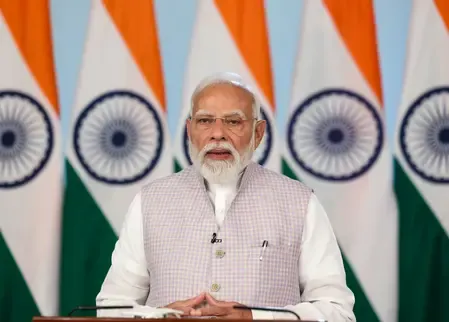
Kathmandu, March 9 (NationPress) Following the decisive triumph of the Rastriya Swatantra Party (RSP) in Nepal's parliamentary elections conducted on March 5, Prime Minister Narendra Modi of India extended his congratulations to the party's President Rabi Lamichhane and prominent leader Balen Shah on Monday.
In a message shared on the social media platform X, PM Modi revealed that he had spoken via telephone with both Lamichhane and Shah, who is anticipated to assume the role of Prime Minister in the near future.
"I congratulated both leaders on their electoral achievements and the RSP's significant success in the Nepal elections," PM Modi stated.
He further expressed, "I wish them the best as they prepare to establish their new government, and reiterated India's commitment to collaborating with them for the mutual prosperity, progress, and welfare of our two nations. I am optimistic that through our combined efforts, India–Nepal relations will reach unprecedented heights in the future."
As of Monday evening, vote counting had been completed in 163 out of 165 constituencies, with the RSP securing victory in 125 seats, which corresponds to approximately 76% of the total available seats.
Additionally, the RSP is leading in the proportional representation (PR) system, boasting over 48% of the vote share by the same evening.
Should this trend persist, the party is poised to achieve nearly a two-thirds majority, approximately 184 seats, in the 275-member House of Representatives, the lower house of Parliament.
India had played a supportive role in facilitating Nepal's elections this year by supplying 650 vehicles and other election materials. This assistance has been ongoing since the 2008 Constituent Assembly elections, during which India provided a total of 2,400 vehicles for previous elections.
In its election manifesto, the RSP highlighted the need to renew Nepal's developmental partnership with India, focusing on enabling Nepal to leverage India's significant advancements over the past decade in sectors such as digital public infrastructure, high-quality physical infrastructure, the formalization of the economy, and the enhancement of state capacity.
The party also committed to pursuing a "balanced and dynamic diplomacy" aimed at transforming the shifting global geopolitical landscape and the emergence of neighboring powers into opportunities for Nepal's development, while prioritizing Nepal's sovereignty, territorial integrity, and national interests.
“Considering the strategic interests of neighboring countries and the dynamics of the global power balance, we are determined to convert Nepal from a 'buffer state' into a 'vibrant bridge,' ensuring national interests through trilateral economic partnerships and connectivity,” the manifesto states.
Relations between Nepal and India have been marked by fluctuations in recent years, with tensions arising from the 2015 Constitution and the political maps issued by both countries, which include disputed territories such as Kalapani, Lipulek, and Limpiyadhura along Nepal's western border.
These border disputes have consistently strained bilateral relations for decades. Nepal has also sought amendments to the Nepal–India Friendship Treaty of 1950, arguing that it undermines its sovereignty.
The RSP has pledged to engage in diplomatic initiatives to address these challenges.
“We will embark on high-level diplomatic efforts to find permanent solutions to border disputes and long-standing treaties through formal dialogues based on facts and evidence, rather than confining them to sentiment or rhetoric,” the manifesto asserted.
Point of View
It is essential to recognize the significance of the RSP's electoral success in Nepal and the diplomatic overtures made by Indian Prime Minister Modi. This development could reshape the political landscape in Nepal and foster a renewed partnership with India, reflecting the complexities and opportunities in South Asian geopolitics.
NationPress
26 Oct 2026
Frequently Asked Questions
What was the outcome of the Nepal elections?
The Rastriya Swatantra Party (RSP) achieved a sweeping victory, securing 125 out of 165 parliamentary seats, accounting for approximately 76% of the total.
Who congratulated the RSP leaders?
Indian Prime Minister Narendra Modi congratulated RSP President Rabi Lamichhane and senior leader Balen Shah following their electoral success.
What are the implications for India-Nepal relations?
PM Modi expressed optimism that the new government under RSP leadership would enhance India-Nepal relations, focusing on mutual prosperity and development.
How has India supported Nepal's elections?
India provided logistical support, including 650 vehicles and election materials, to assist in the conduct of the elections.
What is the RSP's stance on Nepal's sovereignty?
The RSP's manifesto emphasizes the importance of prioritizing Nepal's sovereignty and national interests in its diplomatic initiatives.