CM Yogi Raises Shelter Home Grant for Disabled to ₹3,000
Synopsis
Chief Minister Yogi Adityanath has approved a 50 per cent hike in the monthly maintenance grant for mentally challenged and destitute divyangjan in UP shelter homes and Half Way Homes, raising the per-resident allocation from ₹2,000 to ₹3,000 — a move aimed at ensuring dignified, nutritious care for those fully dependent on institutional support.
Key Takeaways
CM Yogi Adityanath approved the grant hike on 2 July 2026 during a review of the Divyangjan Sashaktikaran Vibhag in Lucknow .
The monthly per-resident maintenance grant rises from ₹2,000 to ₹3,000 — a 50 per cent increase .
The revised grant covers residents of Ashray Grih sah Prashikshan Kendras (shelter homes cum training centres) and Half Way Homes .
Beneficiaries are mentally challenged and destitute persons with disabilities who are entirely dependent on state-run institutional care.
The decision aligns with obligations under the Rights of Persons with Disabilities Act, 2016 , which mandates dignified living conditions in state facilities.
Implementation orders and budget releases from the Divyangjan Sashaktikaran Vibhag are expected to follow in the coming weeks.
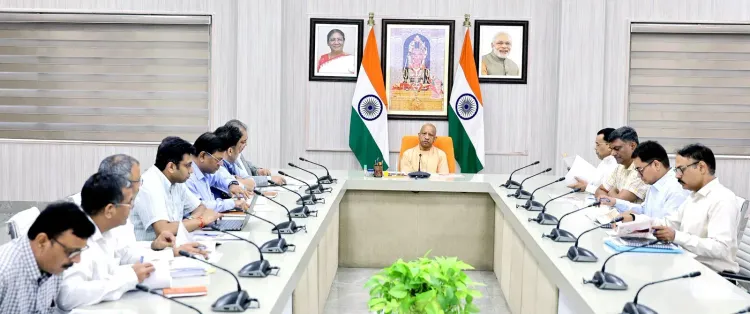
The Chief Minister's Office of Uttar Pradesh announced on Thursday, 2 July 2026, that Chief Minister Yogi Adityanath has approved a 50 per cent increase in the monthly maintenance grant for residents of state-run shelter homes and 'Half Way Homes' for mentally challenged and destitute persons with disabilities, raising the per-resident grant from ₹2,000 to ₹3,000 per month. The decision was taken during a review meeting of the Divyangjan Sashaktikaran Vibhag (Department of Empowerment of Persons with Disabilities) held in Lucknow.
Context
Chairing the departmental review, CM Yogi Adityanath directed that the enhanced grant be applied to residents of Ashray Grih sah Prashikshan Kendras (shelter homes cum training centres) and Half Way Homes — two categories of state-run residential facilities that house individuals who are mentally challenged or otherwise destitute and lack family support. The Chief Minister stated that these residents are 'entirely dependent on institutional care' and that providing them 'nutritious food, adequate healthcare and a dignified life is the government's responsibility.'
The announcement covers sanwasins (residents) across all such facilities operated under the Divyangjan Sashaktikaran Vibhag in Uttar Pradesh. The revised grant will directly affect the daily provisioning budget of each shelter home, including expenditure on food, hygiene, and basic healthcare supplies.
Policy Backdrop
The Rights of Persons with Disabilities (RPWD) Act, 2016 expanded state obligations for institutional care, rehabilitation, and maintenance support for persons with disabilities across India. Under this framework, state governments are required to ensure dignified living conditions for those fully dependent on residential facilities, with periodic revision of maintenance allocations seen as a core compliance mechanism.
Uttar Pradesh has periodically revised maintenance grants and expanded institutional capacity for persons with severe disabilities as part of its broader social security architecture. Such revisions typically follow internal assessments of rising nutritional costs, healthcare expenditure, and inflation affecting the day-to-day operations of shelter homes. The move from ₹2,000 to ₹3,000 represents a ₹1,000 per resident per month increase — a 50 per cent hike in the per-capita maintenance allocation.
Stakeholders and Impact
The primary beneficiaries are mentally challenged and destitute divyangjan (persons with disabilities) residing in government shelter homes across Uttar Pradesh — individuals who have no family support structure and rely entirely on state-funded institutions for food, shelter, and medical care. The enhanced grant is intended to improve the quality of nutrition and healthcare available within these homes.
The Divyangjan Sashaktikaran Vibhag administers these facilities and will be responsible for disbursing the revised allocation to each centre. Civil society organisations and disability rights advocates working in the state have long called for upward revision of per-capita maintenance funds, arguing that the earlier grant was insufficient to meet rising costs of nutritious meals and essential medicines.
What's Next
Implementation will depend on formal government orders and the release of additional budgetary provisions to cover the enhanced grant across all eligible facilities. The Divyangjan Sashaktikaran Vibhag is expected to issue operational directives to shelter home administrators in the coming weeks. The review meeting may also signal similar upward revisions for other disability welfare schemes under the department's purview, as the state aligns its institutional care standards more closely with the RPWD Act's mandate.
The decision sets a precedent for other states reviewing their own per-capita maintenance norms for disability institutions, particularly in the context of post-pandemic cost escalations in food and healthcare supply chains.
Point of View
If overdue, correction to per-capita maintenance norms that had not kept pace with inflation or rising healthcare costs in institutional settings. For CM Yogi Adityanath, the announcement reinforces a pattern of using departmental review meetings to signal welfare commitments to a constituency — persons with severe disabilities — that rarely commands political headlines but carries moral weight in governance optics. The move also reflects pressure from the RPWD Act's accountability framework, which increasingly gives disability rights advocates legal ground to demand periodic revisions. Whether the enhanced grant translates into measurably better nutrition and healthcare on the ground will depend entirely on the speed and fidelity of implementation at the facility level.
NationPress
1 Oct 2026
Frequently Asked Questions
What is the new maintenance grant for disabled persons in UP shelter homes?
The Uttar Pradesh government has increased the monthly per-resident maintenance grant to ₹3,000 , up from ₹2,000 — a 50 per cent hike announced by CM Yogi Adityanath on 2 July 2026.
Who benefits from the UP divyangjan shelter home grant hike?
Mentally challenged and destitute persons with disabilities living in state-run Ashray Grih sah Prashikshan Kendras and Half Way Homes across Uttar Pradesh are the direct beneficiaries.
What is a Half Way Home in Uttar Pradesh?
A Half Way Home is a transitional residential facility run by the Uttar Pradesh government for persons with disabilities, designed to provide care and support as residents work towards greater independence.
What law governs disability institutional care in India?
The Rights of Persons with Disabilities (RPWD) Act, 2016 governs state obligations for institutional care, rehabilitation and maintenance support for persons with disabilities across India, including in Uttar Pradesh.
When will the increased grant be implemented in UP shelter homes?
Formal implementation orders are yet to be issued by the Divyangjan Sashaktikaran Vibhag ; operational directives to shelter home administrators are expected in the weeks following the 2 July 2026 announcement.