CM Yogi Hikes UP Police Field Allowances Across Three Categories
Synopsis
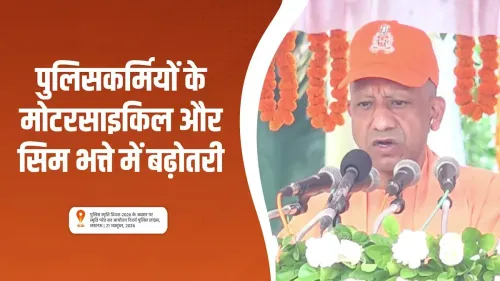
Chief Minister Yogi Adityanath raised motorcycle allowances for UP Police sub-inspectors and inspectors to ₹1,000/month, doubled PPS cadre uniform allowances to ₹15,000, and increased constables' SIM allowance to ₹2,500/month in a sweeping October 2026 welfare revision.
Key Takeaways
Motorcycle allowance for field-duty sub-inspectors and inspectors raised from ₹700 to ₹1,000 per month — a 43% increase.
PPS cadre uniform allowance more than doubled: from ₹6,400 to ₹15,000 per month , a ~134% jump.
SIM card allowance for constables and head constables on field duty increased from ₹2,000 to ₹2,500 per month .
The announcement covers personnel across Uttar Pradesh's 75 districts , benefiting tens of thousands of field officers.
Revisions follow UP's established pattern of targeted allowance hikes rather than broad salary restructuring.
Formal disbursement requires a government notification — the procedural order is the next milestone to watch.
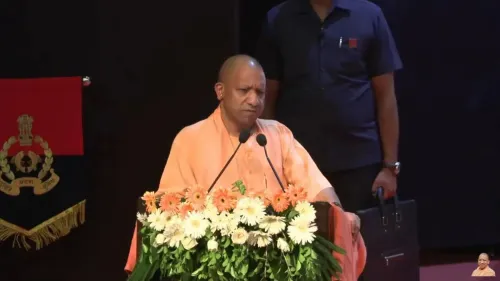
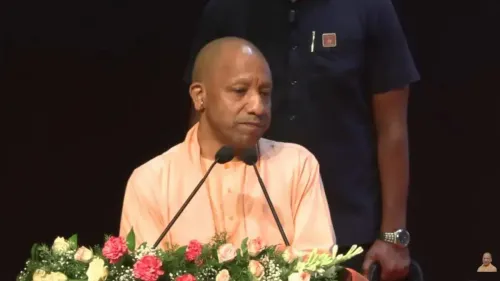
A targeted financial boost for the men and women policing India's most populous state — Chief Minister Yogi Adityanath announced three simultaneous allowance hikes for Uttar Pradesh Police personnel on Wednesday, October 21, 2026, channelling relief directly to officers on the ground.
Three hikes, three ranks — what changes and for whom
The motorcycle allowance for sub-inspectors and inspectors on field duty rises from ₹700 to ₹1,000 per month — a 43 percent jump that acknowledges the daily fuel and maintenance burden of patrol work. Field constables and head constables get a different boost: their SIM card allowance climbs from ₹2,000 to ₹2,500 per month, keeping frontline communication costs covered.
The sharpest revision, however, lands with officers of the Provincial Police Service (PPS) cadre. Their uniform allowance more than doubles — from ₹6,400 to ₹15,000 — a near-134 percent increase that reflects the cost of maintaining the presentational standards expected of gazetted supervisory officers.
The pattern behind the announcement
Uttar Pradesh governments have long used targeted allowance revisions, rather than across-the-board salary restructuring, to address morale and operational gaps in the force. These incremental adjustments are woven into the state's law-and-order budgeting tradition, recognising that field personnel bear costs — fuel, connectivity, uniform upkeep — that base salaries alone do not cover.
Chief Minister Adityanath, in office since 2017, has periodically layered such welfare measures onto broader police modernisation drives. The announcement, made through the Chief Minister's Office of Uttar Pradesh, covers a wide base: sub-inspectors, inspectors, constables, head constables, and PPS-cadre officers collectively represent tens of thousands of personnel deployed across the state's 75 districts.
What comes next for disbursement
The formal notification through the police department's budget and any accompanying orders on disbursement timelines will determine when personnel actually see the revised amounts. Announcements of this nature typically require a government order before they take effect in salary slips — that procedural step is the one to watch.
For a force that patrols one of the country's most complex law-and-order environments, every rupee added to operational mobility counts. The real test, as always, is the speed of implementation.
Point of View
Keeping morale high without triggering state-wide pay-commission-style demands. The sheer scale of the PPS uniform allowance revision — more than doubling — signals that officer-level presentational standards are being treated as a governance priority, not an afterthought. Politically, welfare announcements aimed at the police rank-and-file carry visible signalling value ahead of any electoral cycle, reinforcing the administration's law-and-order brand. Whether disbursement follows the announcement on a fast timeline will be the credibility test.
NationPress
21 Oct 2026
Frequently Asked Questions
What is the new motorcycle allowance for UP Police sub-inspectors in 2026?
The motorcycle allowance for field-duty sub-inspectors and inspectors in Uttar Pradesh Police has been raised to ₹1,000 per month , up from ₹700 per month.
How much is the new PPS cadre uniform allowance in Uttar Pradesh?
The uniform allowance for PPS (Provincial Police Service) cadre officers has been increased to ₹15,000 per month , up from ₹6,400 — more than double the previous amount.
What is the SIM allowance for UP Police constables after the 2026 revision?
Constables and head constables on field duty will now receive a SIM card allowance of ₹2,500 per month , increased from ₹2,000 per month.
Who announced the UP Police allowance hike in October 2026?
Chief Minister Yogi Adityanath announced the revisions through the official Chief Minister's Office of Uttar Pradesh on October 21, 2026.
When will UP Police officers receive the revised allowances?
A formal government notification and disbursement order from the police department must be issued before the revised amounts appear in salary slips — that order is the next procedural step.