CM Yogi Targets SP Era in UP Power Sector Jibe
Synopsis
Chief Minister Yogi Adityanath on 26 May 2026 attacked the Samajwadi Party's governance legacy, saying UP residents once dried clothes on electricity wires due to near-zero power supply under the SP government between 2012 and 2017.
Key Takeaways
CM Yogi Adityanath posted on 26 May 2026 mocking the Samajwadi Party 's power-supply record in Uttar Pradesh .
He claimed that during SP rule (2012–2017) , electricity supply was so poor that people dried clothes on power lines.
The Yogi government began power-sector reforms after 2017 , including feeder separation and increased procurement.
Uttar Pradesh adopted the UDAY scheme in 2016–17 to restructure discom finances and improve supply reliability.
The post is part of a sustained BJP narrative contrasting electricity availability before and after 2017 in the state.
Successive UP state budgets have allocated capital expenditure for discom infrastructure as a measurable governance benchmark.
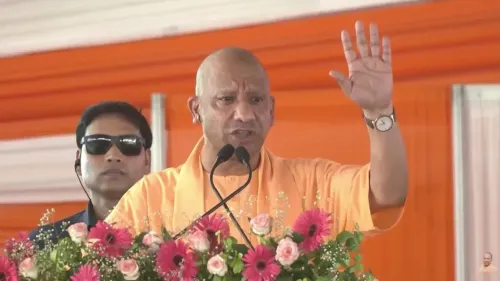
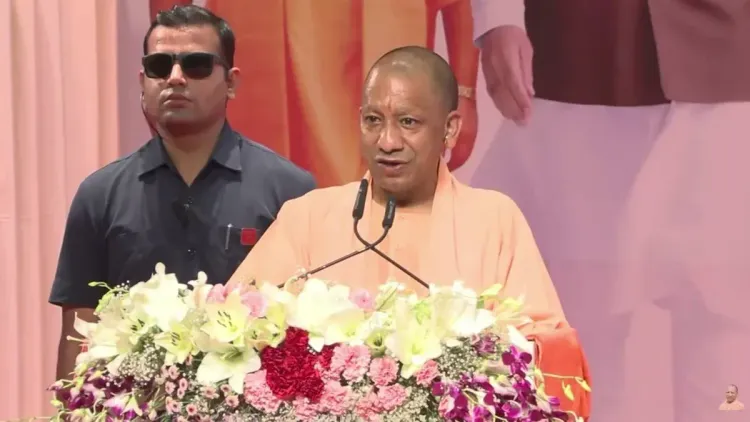
Uttar Pradesh Chief Minister Yogi Adityanath on Tuesday, 26 May 2026, took a pointed dig at the Samajwadi Party's governance record, claiming that during the SP's tenure in the state, power supply was so scarce that people used electricity lines to dry clothes rather than to power their homes.
Context
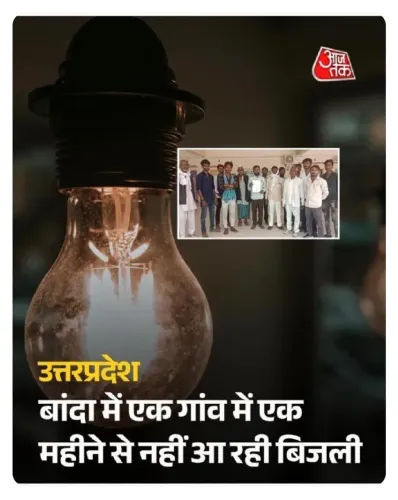
The Chief Minister's post, written in Hindi, states: 'Samajwadi Party ke samay bijli ke taar par log kapda sukhate the' ('During the Samajwadi Party's time, people used to dry clothes on electricity wires'). The remark is a colloquial indictment of the near-absent power supply that Uttar Pradesh households, particularly in rural areas, reportedly endured during the 2012–2017 SP government led by Akhilesh Yadav. The image of clothes drying on electric wires has become a recurring metaphor in BJP political messaging to underscore the contrast between the two administrations.
Policy Backdrop
When the Yogi Adityanath government took office in 2017, power-sector reform was placed at the centre of its governance agenda. The administration pursued feeder separation — segregating agricultural and domestic supply lines — alongside increased power procurement to reduce load-shedding. Uttar Pradesh had also adopted the Ujwal DISCOM Assurance Yojana (UDAY) in 2016–17 to restructure the debt-laden finances of state electricity distribution companies, laying groundwork for supply improvements. Successive state budgets have earmarked capital expenditure for discom infrastructure, and the power department has periodically reported measurable reductions in outage hours across urban and rural feeders.
The SP government's tenure between 2012 and 2017 was marked by widespread complaints about prolonged power cuts, particularly in rural Uttar Pradesh. Opposition parties at the time attributed the shortfalls to inadequate procurement, ageing transmission infrastructure, and high aggregate technical and commercial losses in the distribution network.
Stakeholders and Impact
Rural households across Uttar Pradesh — home to roughly 20 crore people in villages — remain the primary stakeholders in any narrative around electricity access, as they historically bore the brunt of extended outages. Urban consumers in cities such as Lucknow, Kanpur, and Varanasi also experienced significant supply disruptions during the earlier period. For the BJP, improved power metrics serve as a tangible governance deliverable ahead of electoral cycles, while the Samajwadi Party contests the framing and points to its own infrastructure investments during its term.
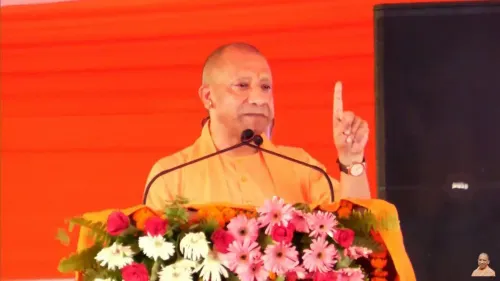
The post, carrying a video, is likely part of a broader digital campaign by the BJP to reinforce its 'double-engine government' narrative ahead of continued political competition in India's most populous state.
What's Next
Political observers will watch for the Samajwadi Party's formal response to the renewed attack on its power-sector record. The release of the next Uttar Pradesh power department performance report or state budget allocations for discom capital expenditure will provide independently verifiable data against which both parties' claims can be measured. With assembly elections on the horizon, infrastructure governance — and the competing narratives around it — is set to remain a defining battleground in UP politics.
Point of View
Relatable image for rural voters who lived through the outages. The remark fits squarely into the 'before 2017 versus after 2017' governance narrative that the BJP has deployed consistently since taking power in Lucknow. By keeping the SP's infrastructure record in public discourse, the ruling party attempts to pre-empt any opposition momentum on development issues. The durability of this line of attack also signals that electricity access remains among the most emotionally resonant governance issues for UP's electorate.
NationPress
10 Oct 2026
Frequently Asked Questions
What did CM Yogi say about electricity in UP during SP rule?
CM Yogi Adityanath claimed that during the Samajwadi Party government (2012–2017), power supply in Uttar Pradesh was so scarce that people used electricity wires to dry clothes rather than for actual power consumption.
How was UP's electricity supply under the Samajwadi Party?
During the SP government led by Akhilesh Yadav between 2012 and 2017, Uttar Pradesh experienced widespread and prolonged power cuts, especially in rural areas, attributed to inadequate procurement and high distribution losses.
What power reforms did Yogi Adityanath introduce after 2017?
The Yogi government pursued feeder separation to segregate agricultural and domestic supply, increased power procurement, and built on the UDAY scheme to restructure discom finances and reduce outage hours.
What is the UDAY scheme and how does it relate to UP?
The Ujwal DISCOM Assurance Yojana (UDAY) is a central government scheme adopted by Uttar Pradesh in 2016–17 to restructure debt-laden electricity distribution companies and improve power supply reliability.
Why does BJP keep raising the SP's electricity record in UP?
Electricity access is among the most tangible governance metrics for UP's large rural population, making it a powerful electoral issue; BJP uses the contrast between pre- and post-2017 supply to reinforce its development narrative ahead of elections.