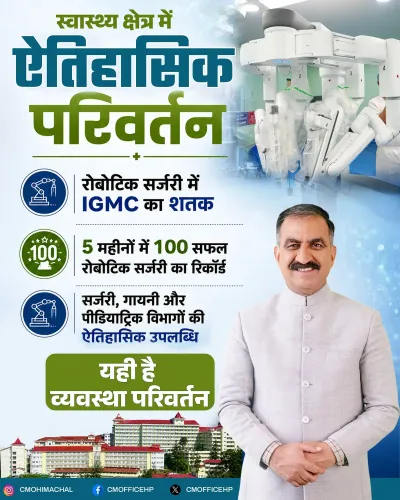
HP CM Office: Rs 125 Cr for Robotic Surgery, MRI at Medical Colleges
Synopsis
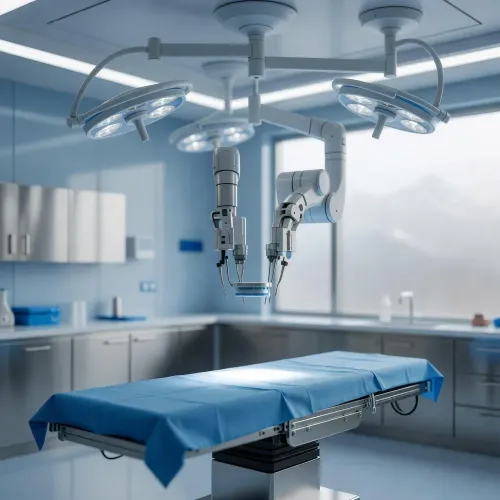
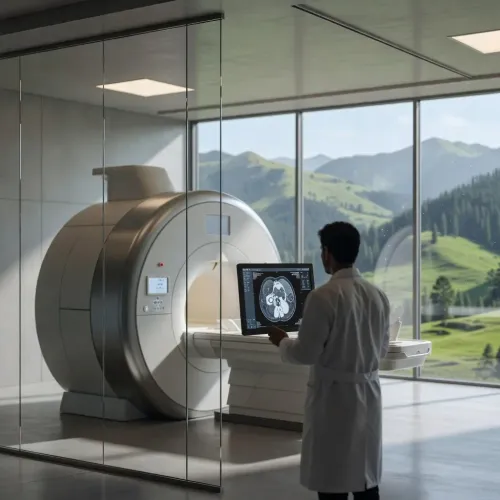
The Himachal Pradesh CM Office has announced an Rs 125 crore upgrade to bring robotic surgery and MRI facilities to state medical colleges, pledging to eliminate appointment queues so patients receive advanced treatment on arrival.
Key Takeaways
Rs 125 crore is being spent on upgrading medical colleges in Himachal Pradesh with robotic surgery and MRI capabilities.
The government's stated goal is to end waiting times, so patients can begin advanced treatment immediately upon arrival.
Currently, patients at state medical colleges must book appointments in advance for robotic surgery and MRI scans.
The investment fits a broader national trend of Indian states modernising public tertiary care to cut diagnostic and surgical queues.
Himachal Pradesh's hill terrain makes government medical colleges the primary access point for advanced care for most residents.
Commissioning timelines and the list of colleges receiving equipment have not yet been specified publicly.
The Chief Minister's Office of Himachal Pradesh announced on Saturday, 11 July 2026 that the state government is spending Rs 125 crore to upgrade medical colleges with robotic surgery systems and additional MRI scanners, with the stated goal of eliminating patient waiting times for these advanced services.
Context
The post, shared by the official CMO Himachal Pradesh account, states: 'Iska par 125 crore rupaye kharch kiye ja rahe hain' ('Rs 125 crore is being spent on this'). The announcement underlines a specific grievance: today, patients at government medical colleges must book appointments in advance for robotic surgery and MRI scans. The government says it wants that wait to end — so that a patient arrives and treatment begins immediately.
The post frames the investment as a patient-first commitment, with the stated ambition that no one should leave a government medical college without same-day access to advanced diagnostics or surgical intervention.
Policy Backdrop
Himachal Pradesh has been incrementally building out its public medical college infrastructure since 2017, expanding specialty services and increasing seat capacity at institutions such as Indira Gandhi Medical College, Shimla. The state's difficult hill terrain makes access to private tertiary care prohibitively expensive or physically impractical for a large share of the population, making government medical colleges the primary — often only — option for advanced care.
Across India, several states have begun procuring robotic surgery platforms and high-field MRI units for public hospitals as part of broader efforts to modernise district and state-level tertiary care. The twin goals are to shorten diagnostic and operative waiting lists and to reduce out-of-pocket expenditure that drives patients toward private facilities.
Stakeholders and Impact
The primary beneficiaries are patients across Himachal Pradesh who currently rely on government medical colleges for specialist care. For conditions requiring MRI-guided diagnosis or minimally invasive robotic procedures, long appointment queues can delay treatment, worsen outcomes, and push families toward costly private alternatives.
Medical staff at state colleges — surgeons, radiologists, and technicians — will also be affected, as robotic systems require specialised training and updated workflows. The scale of benefit will ultimately depend on how many colleges receive equipment and over what timeline, details the government has not yet specified publicly.
What's Next
The key milestones to watch are the phased installation of robotic surgery systems and MRI units at the named colleges, and any official data on reductions in appointment lead times once the equipment is commissioned. The Rs 125 crore outlay signals serious intent, but the government's own benchmark — that a patient arrives and treatment begins immediately — sets a high bar that will be tested once the infrastructure is in place.
If the rollout proceeds as indicated, Himachal Pradesh could become one of the few Indian hill states to offer same-session robotic surgery access at public medical colleges, a standard currently associated mainly with large urban private hospitals.
Point of View
The CMO is setting a measurable standard that will be easy for the public to hold it to. This mirrors a wider pattern among state governments using advanced medical technology as a signal of governance quality, particularly ahead of election cycles. The credibility of the announcement will hinge on commissioning speed and whether utilisation data is made public.
NationPress
10 Oct 2026
Frequently Asked Questions
What is the Himachal Pradesh government spending Rs 125 crore on?
The Himachal Pradesh government is spending Rs 125 crore to install robotic surgery systems and additional MRI scanners at state government medical colleges, with the aim of eliminating patient waiting times for these services.
Which hospitals in Himachal Pradesh will get robotic surgery facilities?
The announcement refers to state government medical colleges in Himachal Pradesh. Specific institutions and a rollout timeline have not been publicly detailed in the announcement.
Why do patients have to wait for MRI and robotic surgery at HP medical colleges?
Current demand at government medical colleges exceeds available equipment and slots, forcing patients to book appointments in advance. The Rs 125 crore upgrade is intended to add capacity and end these queues.
Is robotic surgery available in government hospitals in India?
Yes, several Indian states have begun procuring robotic surgery platforms for public hospitals to modernise tertiary care and reduce dependence on costly private facilities. Himachal Pradesh's announcement is part of this broader national trend.
When will the new MRI and robotic surgery facilities be ready in Himachal Pradesh?
The government has not yet announced specific commissioning timelines. The phased installation schedule and list of colleges receiving equipment are details yet to be made public.