CM Yogi Warns UP Residents: Don't Fall for Opposition Energy Narrative
Synopsis
Uttar Pradesh Chief Minister Yogi Adityanath on 26 May 2026 urged citizens not to be misled by the opposition's narrative on the ongoing energy crisis, signalling the BJP government's intent to actively counter Samajwadi Party criticism on power supply and tariffs.
Key Takeaways
CM Yogi Adityanath posted on 26 May 2026 urging Uttar Pradesh residents not to be swayed by opposition messaging on the energy situation.
The post directly referenced an 'energy crisis era,' acknowledging power-sector stress while defending the government's record.
The Samajwadi Party , the main opposition in UP, has consistently criticised the ruling BJP on power supply reliability and tariff issues.
Since 2017 , the Yogi government has pursued thermal and renewable capacity additions, feeder separation, and rural electrification reforms.
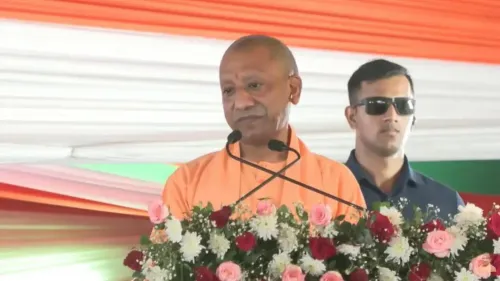
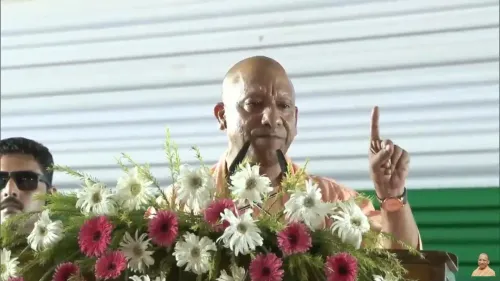
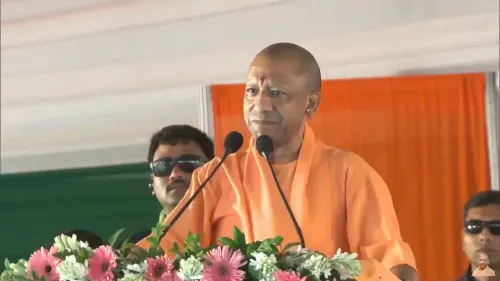
The post was accompanied by a video, suggesting a more detailed public address on the energy situation was shared alongside the text.
State government announcements on new power purchase agreements or tariff orders are expected to follow as the political debate intensifies.
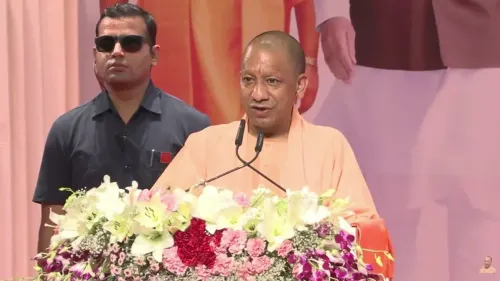
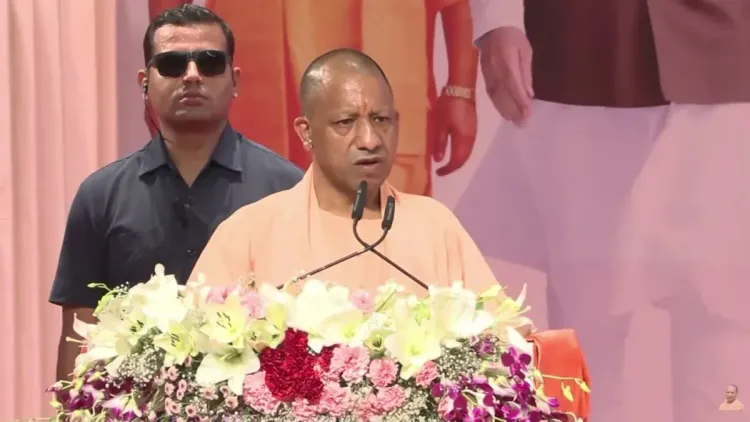
Uttar Pradesh Chief Minister Yogi Adityanath on Tuesday, 26 May 2026, took to X to urge citizens not to be misled by opposition messaging on the ongoing energy situation, warning against what he called attempts to sow confusion during a period of power-sector stress.
Context
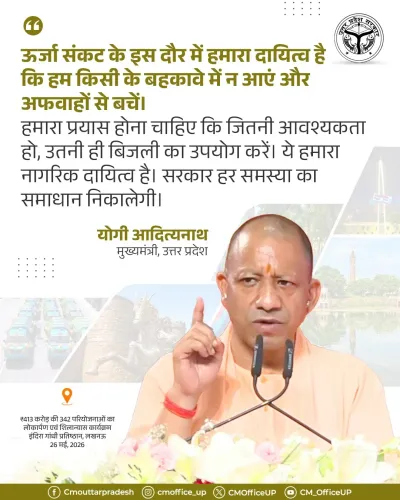
In a brief but pointed post, CM Yogi wrote: 'Uurja sankat ke is daur mein hum kisi ke bahkaave mein na aayen… Vipaksh ke narrative ko na maanen' — 'In this era of energy crisis, let us not be misled by anyone… Do not accept the opposition's narrative.' The post was accompanied by a video, suggesting a more detailed address to the public was embedded in the clip.
The message is a direct counter to criticism from opposition parties, primarily the Samajwadi Party, which has been vocal about power supply reliability and tariff-related grievances in Uttar Pradesh. By framing the moment as an 'energy crisis era,' the Chief Minister acknowledged ongoing stress in the power sector while urging citizens to trust the state government's account of events.
Policy Backdrop
Since coming to power in 2017, the Yogi Adityanath government has pursued a series of power-sector reforms in Uttar Pradesh, including the addition of new thermal and renewable generation capacity, feeder separation to cut distribution losses, and expanded rural electrification drives. These efforts were aimed at addressing decades of chronic power shortages in India's most populous state.
India's broader push for energy security — anchored in national renewable energy targets running through 2030 — has added pressure on state utilities to balance coal-based baseload supply with an accelerating transition to solar and wind. Uttar Pradesh has been navigating this transition alongside persistent demand growth driven by agriculture, industry, and a rapidly urbanising population.
Energy debates in the state have consistently centred on three fault lines: tariff rationalisation, supply reliability, and the pace of the coal-to-renewables shift. Opposition parties have used each of these pressure points to challenge the ruling government's record, making the power sector a recurring political battleground in the run-up to every election cycle.
Stakeholders and Impact
The Chief Minister's appeal is directed at a wide cross-section of Uttar Pradesh's population — domestic consumers facing supply disruptions, farmers dependent on assured irrigation power, and industries sensitive to tariff changes and load-shedding. All three groups have historically been mobilised by opposition messaging during periods of power stress.
The Samajwadi Party, as the principal opposition force in the state, has made energy grievances a staple of its public communication. CM Yogi's post signals that the ruling dispensation intends to contest that narrative actively on social media rather than cede the information space to critics.
What's Next
The state government is expected to follow up with detailed official communication — possibly through press briefings or further social media posts — laying out its position on the current power situation, supply projections, and any relief measures under consideration. Watchers of Uttar Pradesh politics will track whether the Samajwadi Party escalates its response and whether the energy debate spills into the state assembly. Any new power purchase agreements, tariff orders, or emergency procurement announcements from the Uttar Pradesh government in the coming days will be closely scrutinised for the policy substance behind today's political signal.
Point of View
The Chief Minister is attempting to own both the problem and the solution in the same breath. This mirrors a broader pattern in UP politics where the ruling party has used direct-to-citizen digital messaging to bypass traditional intermediaries during politically sensitive infrastructure debates. The real test will be whether substantive policy action on supply and tariffs follows the messaging, or whether the communication itself becomes the story.
NationPress
11 Oct 2026
Frequently Asked Questions
What did CM Yogi Adityanath say about the energy crisis on 26 May 2026?
CM Yogi Adityanath posted on X urging Uttar Pradesh citizens not to be misled by anyone during the current energy crisis and specifically asked them not to accept the opposition's narrative on the power situation.
Which party is the main opposition criticising the UP government on energy?
The Samajwadi Party is the principal opposition party in Uttar Pradesh and has been a consistent critic of the BJP government's record on power supply reliability and electricity tariffs.
What power sector reforms has the Yogi government undertaken since 2017?
Since 2017 the Yogi Adityanath government has added new thermal and renewable generation capacity, carried out feeder separation to reduce distribution losses, and expanded rural electrification across Uttar Pradesh.
Why is energy such a big political issue in Uttar Pradesh?
Uttar Pradesh is India's most populous state with high power demand from domestic consumers, farmers needing irrigation supply, and industries — making electricity tariffs and supply reliability a recurring fault line between the ruling BJP and opposition parties.
What should UP residents watch for after CM Yogi's energy crisis post?
Residents and political observers should watch for state government announcements on new power purchase agreements, tariff orders, or emergency supply measures, as well as any formal response from the Samajwadi Party in the assembly or on social media.