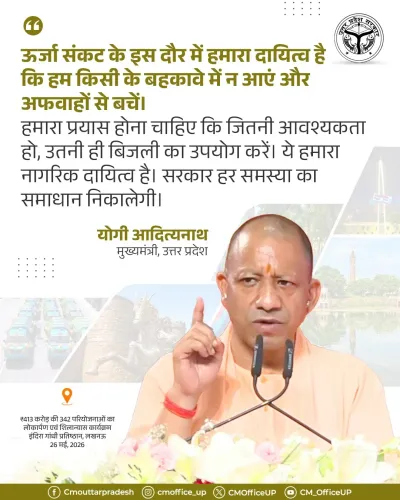
CM Yogi Orders Feeder-Level Monitoring, Zero Tolerance for Power Lapses
Synopsis
Chief Minister Yogi Adityanath has directed Uttar Pradesh power officials to enforce feeder-wise monitoring and strict individual accountability, warning that negligence in transformer failures, feeder faults, or complaint resolution will not be tolerated. He also called for transparent, timely communication with consumers to build public trust.
Key Takeaways
CM Yogi Adityanath has ordered feeder-wise monitoring and accountability across Uttar Pradesh's electricity transmission network.
Negligence in transformer failures , feeder disruptions , or complaint redressal will not be accepted at any level, the CM stated.
Officials have been directed to provide citizens with accurate and timely information about electricity supply.
The directive builds on UP's UDAY scheme commitments since 2016 and successive 'Power for All' feeder-separation programmes.
The Uttar Pradesh Power Transmission Corporation Limited (UPPTCL) is the primary agency responsible for implementing the high-voltage grid reforms.
Rollout of SCADA or feeder-level monitoring dashboards will be the key indicator of on-ground implementation.
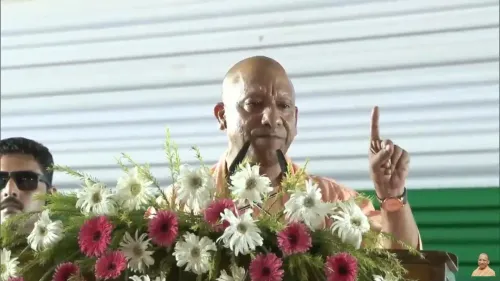
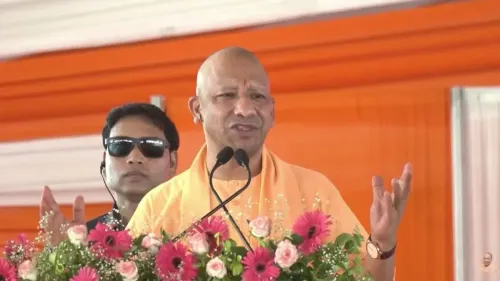
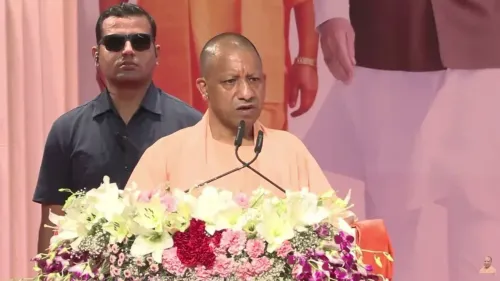
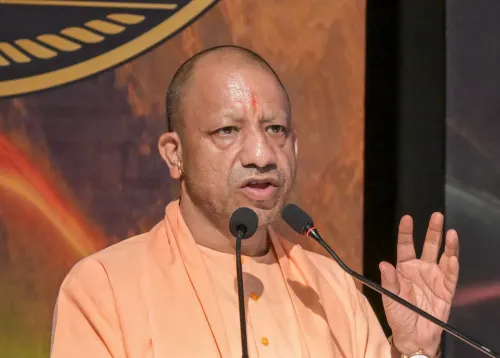
The Chief Minister's Office of Uttar Pradesh on Sunday, 25 May 2026 announced that Chief Minister Yogi Adityanath has directed power officials to strengthen the state's transmission network and establish strict feeder-wise monitoring with individual accountability at every level.
Context
In a high-level review of the state's electricity infrastructure, CM Yogi issued clear instructions that negligence in transformer failures, feeder disruptions, or complaint resolution would not be tolerated at any level. The directive, shared by the Chief Minister's Office, quoted him as saying: 'ट्रांसफॉर्मर खराब होने, फीडर बाधित होने अथवा शिकायत निस्तारण में किसी भी स्तर पर लापरवाही स्वीकार नहीं की जाएगी' — 'Negligence in transformer failures, feeder disruptions or complaint redressal will not be accepted at any level.'
He further stressed that citizens must be provided accurate and timely information about electricity supply, adding that 'communication and transparency will strengthen consumer trust and increase sensitivity towards grievances.'
Policy Backdrop
Uttar Pradesh has been pursuing power sector reforms for over a decade. The state joined the UDAY (Ujwal DISCOM Assurance Yojana) scheme in 2016, committing to reduce transmission and distribution losses and improve the financial health of electricity distribution companies.
Since CM Yogi's first term beginning March 2017, the state government has repeatedly announced feeder separation programmes and 24×7 rural electrification targets under its 'Power for All' framework. The Uttar Pradesh Power Transmission Corporation Limited (UPPTCL), responsible for the high-voltage grid, has been directed under successive reviews to adopt technology-driven, real-time monitoring at the feeder level rather than relying on aggregate state-wide metrics.
This approach reflects a broader pattern in Uttar Pradesh where electricity reliability is treated as both a governance priority and an industrial investment signal, with policymakers linking transmission upgrades directly to reducing aggregate technical and commercial losses.
Stakeholder Impact
For Uttar Pradesh's more than 24 crore residents — one of the largest electricity consumer bases in any single Indian state — the directive signals a push toward measurable service standards rather than aspirational targets. Feeder-wise accountability means that field-level engineers and sub-divisional officers will face direct scrutiny for outages and unresolved complaints in their specific zones.
Industrial consumers and small businesses, who have long cited unreliable power as a barrier to investment in the state, stand to benefit if the monitoring framework translates into faster fault rectification. The emphasis on timely and accurate public communication also suggests a move toward consumer-facing dashboards or grievance-tracking tools.
What's Next
Attention will now turn to whether UPPTCL and the state's distribution companies roll out upgraded SCADA or feeder-level monitoring dashboards to operationalise the directive. Quarterly reports on complaint redressal timelines and transformer failure rates will serve as the clearest indicators of whether the accountability framework produces measurable improvements on the ground.
With Uttar Pradesh positioning itself as a major destination for manufacturing investment, consistent and transparent power supply remains a foundational requirement — making the outcome of this directive consequential well beyond the power sector itself.
Point of View
The government is attempting to close the gap between policy announcements and last-mile delivery that has historically plagued Uttar Pradesh's power sector. The emphasis on consumer communication and transparency is notable: it suggests the administration is aware that public perception of electricity reliability is as politically important as the underlying technical metrics. Whether this review translates into sustained improvement or remains a periodic directive will depend on whether monitoring dashboards and penalty mechanisms are actually institutionalised.
NationPress
11 Oct 2026
Frequently Asked Questions
What did CM Yogi order regarding UP's power sector?
CM Yogi Adityanath directed power officials to enforce feeder-wise monitoring and individual accountability, warning that negligence in transformer failures, feeder faults, or complaint resolution would not be tolerated at any level.
What is feeder-wise monitoring in electricity distribution?
Feeder-wise monitoring means tracking the performance — outages, fault duration, complaint resolution — of each individual electricity feeder line, allowing authorities to pinpoint and hold accountable the specific field officer responsible for that zone.
What is UPPTCL and what is its role?
The Uttar Pradesh Power Transmission Corporation Limited (UPPTCL) is the state utility responsible for the high-voltage transmission network; it is the primary agency tasked with implementing technology-driven monitoring reforms directed by the state government.
How does this directive relate to UP's earlier power reforms?
Uttar Pradesh joined the UDAY scheme in 2016 to cut transmission losses, and since 2017 the Yogi government has repeatedly announced feeder separation and 24×7 electrification targets — this directive continues that policy lineage with a sharper focus on accountability.
What should UP electricity consumers expect after this order?
Consumers may expect faster fault rectification, more transparent grievance tracking, and timely updates on supply disruptions, though the actual impact will depend on whether monitoring dashboards and enforcement mechanisms are operationalised.