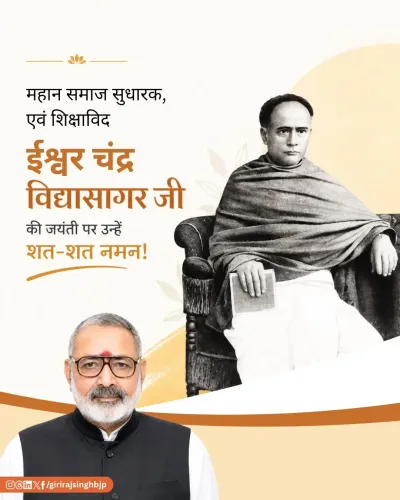
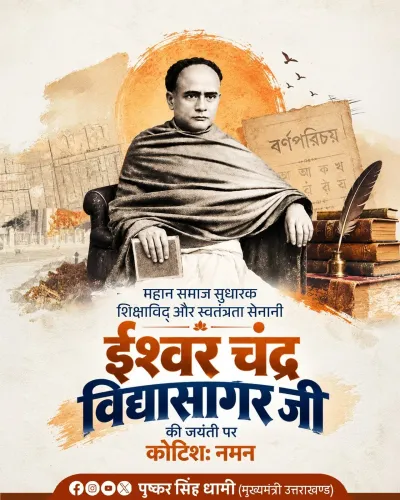
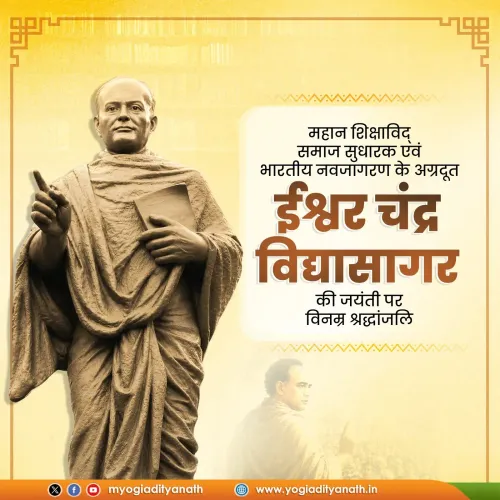
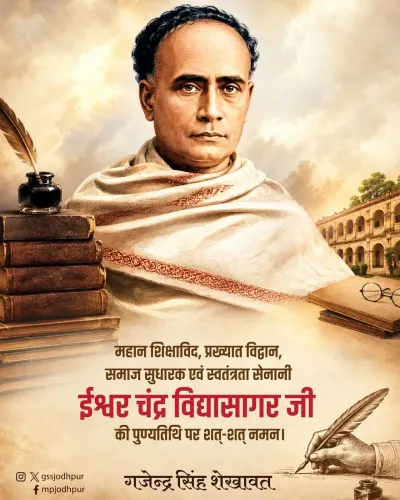
CM Yogi pays tribute to Ishwar Chandra Vidyasagar on death anniversary
Synopsis
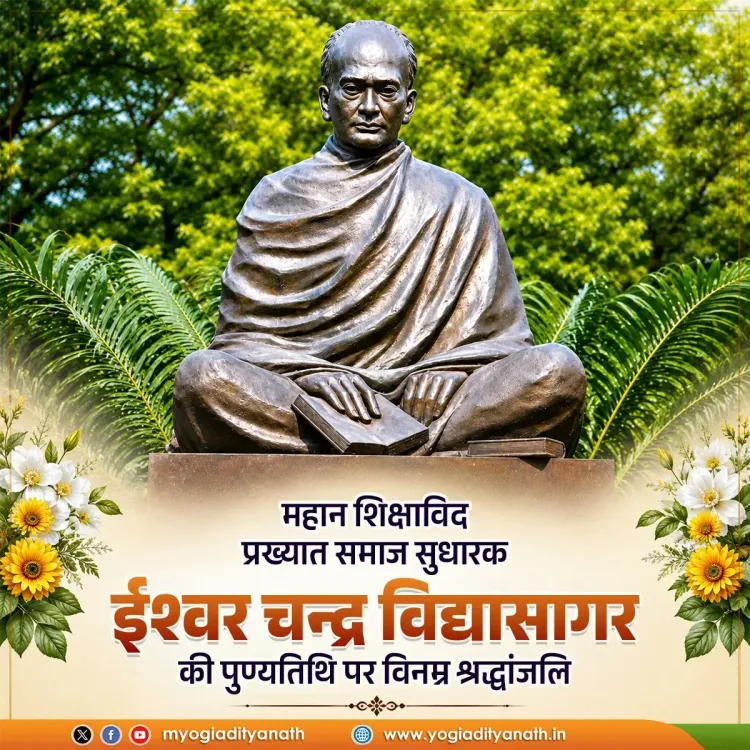
Uttar Pradesh Chief Minister Yogi Adityanath paid tribute to Ishwar Chandra Vidyasagar on his death anniversary, calling the 19th-century Bengali reformer a beacon of inspiration for his campaigns against social evils and for women's education.
Key Takeaways
CM Yogi Adityanath posted a tribute to Ishwar Chandra Vidyasagar on his death anniversary on 29 July 2026 .
Vidyasagar was a key figure of the Bengal Renaissance , born in 1820 .
His most landmark achievement was the passage of the Hindu Widow Remarriage Act of 1856 .
He founded and supported multiple schools for girls, championing female education decades before it was mainstream.
CM Yogi described Vidyasagar's efforts as a 'beacon of inspiration' for combating social evils and advancing women's empowerment.
A pioneer who rewrote the rules for millions of Indian women, Ishwar Chandra Vidyasagar is remembered on his death anniversary — and Uttar Pradesh Chief Minister Yogi Adityanath was among the first to mark the occasion on Wednesday, 29 July 2026.
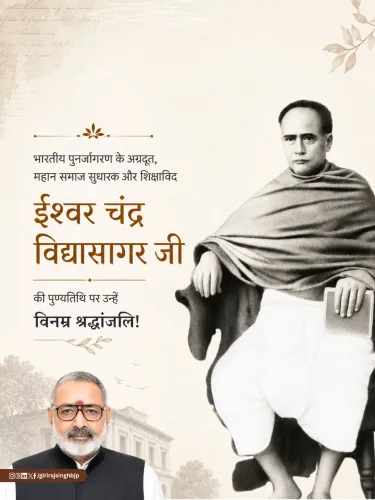
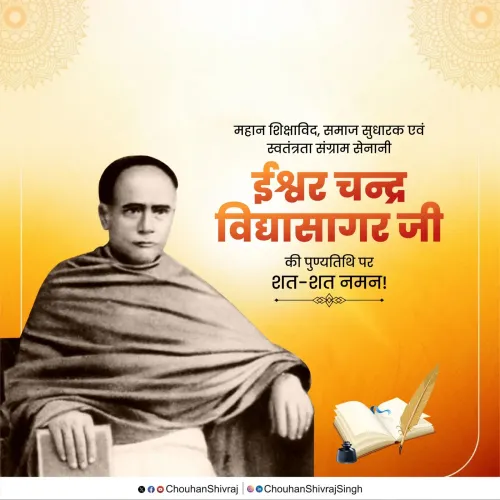
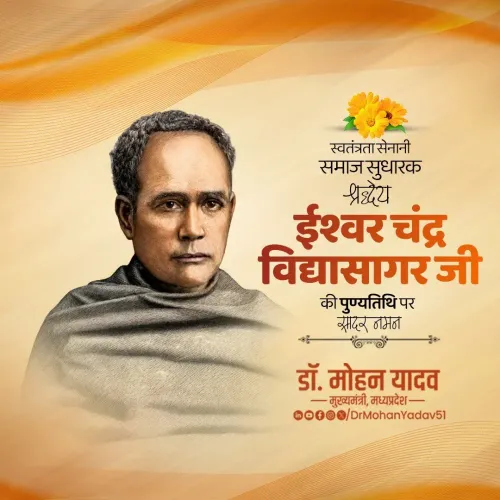
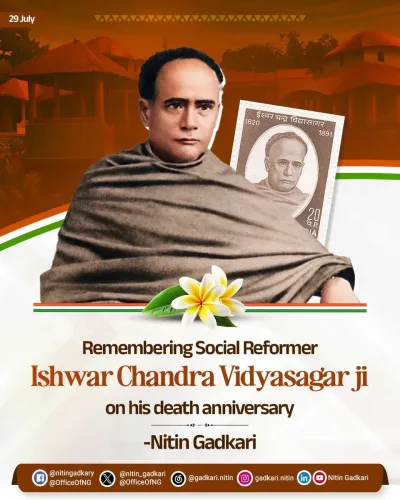
Posting in Hindi, CM Yogi offered his humble tribute — 'विनम्र श्रद्धांजलि' — to the 19th-century reformer, calling him a 'pioneer of the Indian Renaissance, a great educationist, and a man dedicated to women's empowerment.' He described Vidyasagar's tireless efforts against social evils and for women's education as a 'प्रेरणापुंज' — a beacon of inspiration — for all.
The man who moved a nation
Vidyasagar's legacy is not abstract. Born in 1820 in Bengal, he became the intellectual engine of the Bengal Renaissance — a period of sweeping social and cultural reform in 19th-century India. His most consequential victory came in 1856, when his relentless lobbying pushed the British colonial government to pass the Hindu Widow Remarriage Act, giving widows — long condemned to social invisibility — the legal right to remarry. He also founded and supported numerous schools for girls at a time when female education was not merely neglected but actively opposed.Why state leaders invoke reformers like Vidyasagar
Public tributes on reformers' death anniversaries have become a fixture of Indian political communication. For the BJP, highlighting figures associated with education and women's rights serves a dual purpose: connecting the party's current governance agenda to a broader civilisational narrative, and reaching constituencies that care deeply about social progress. CM Yogi's post fits that pattern — but Vidyasagar's appeal cuts across political lines. His work belongs to no single party; it belongs to the republic. The reminder lands with force. One reformer, one act, one generation — and the lives of widows across India changed forever. That is the standard Vidyasagar set.Point of View
The post signals alignment with a progressive social legacy — a deliberate reframing that broadens the party's ideological appeal beyond its core base. Vidyasagar's Bengal identity also carries implicit political weight given the BJP's ongoing electoral focus on West Bengal. The tribute is ceremonial in form but strategically layered in subtext.
NationPress
27 Oct 2026
Frequently Asked Questions
Who was Ishwar Chandra Vidyasagar?
Ishwar Chandra Vidyasagar was a 19th-century Bengali polymath, educator, and social reformer born in 1820 . He was a central figure of the Bengal Renaissance and is best known for successfully campaigning for the Hindu Widow Remarriage Act of 1856 and for founding schools for girls across Bengal.
What is Ishwar Chandra Vidyasagar's death anniversary date?
Vidyasagar's death anniversary falls on 29 July , the date on which he passed away in 1891 .
What did CM Yogi Adityanath say about Vidyasagar?
CM Yogi called Vidyasagar a 'pioneer of the Indian Renaissance' and a 'great educationist' dedicated to women's empowerment, describing his efforts against social evils and for women's education as a beacon of inspiration for all.
What was the Hindu Widow Remarriage Act of 1856?
The Hindu Widow Remarriage Act of 1856 was a landmark colonial-era legislation that gave Hindu widows the legal right to remarry. It was passed largely due to the persistent advocacy of Ishwar Chandra Vidyasagar.
Why do Indian politicians pay tribute to Vidyasagar?
Vidyasagar's legacy of social reform, women's education, and empowerment resonates across party lines. Politicians invoke his memory to connect their governance agenda to a broader tradition of progressive social change in India.