CM Yogi Invokes Patel on National Unity Day
Synopsis
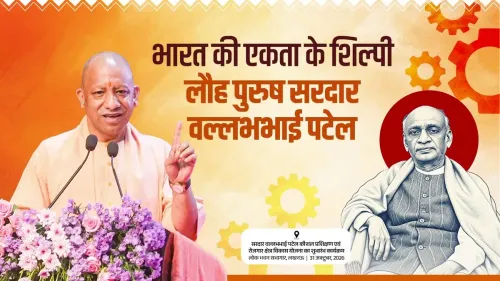
On National Unity Day, 31 October 2026, UP Chief Minister Yogi Adityanath honoured Sardar Vallabhbhai Patel, saying true followers of the Iron Man bear a duty to protect India's unity and integrity — turning a tribute into a living obligation.
Key Takeaways
CM Yogi Adityanath posted a tribute to Sardar Vallabhbhai Patel on National Unity Day, 31 October 2026 .
He described Patel as the Lauha Purush (Iron Man) whose role in uniting India is 'a source of inspiration for all.' The statement goes beyond ceremonial tribute — it frames reverence for Patel as a duty to protect India's unity and territorial integrity .
Patel integrated 565 princely states into the Indian Union between 1947 and 1950 .
National Unity Day has been observed on 31 October every year since 2014 .
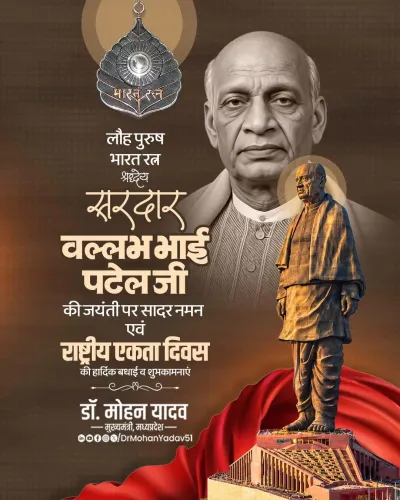
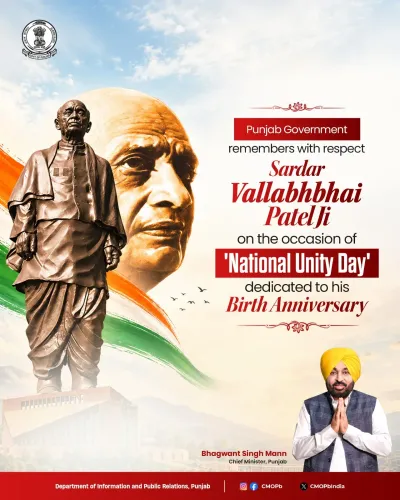
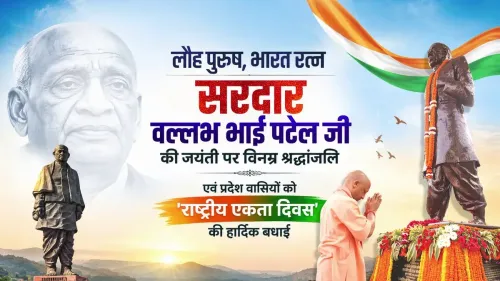
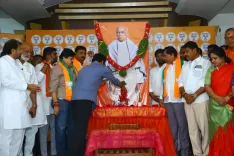
On the birth anniversary of the man who stitched a fragmented subcontinent into a single nation, Chief Minister Yogi Adityanath issued a sharp reminder: reverence for Sardar Vallabhbhai Patel carries a duty, not just a sentiment. The statement, posted by the Chief Minister's Office of Uttar Pradesh on Saturday, 31 October 2026, landed squarely on National Unity Day — the annual observance that marks Patel's birth anniversary.
Translating from Hindi, CM Yogi's words read: 'Bikhre hue Bharat ko ek karne mein 'Lauha Purush' Sardar Vallabhbhai Patel ji ka yogdan hum sabhi ke liye preranasrot hai' — 'The contribution of the 'Iron Man' Sardar Vallabhbhai Patel ji in uniting a fragmented India is a source of inspiration for all of us.' He went further: anyone who truly follows Patel and holds him in reverence has a responsibility to ensure that no action is taken that harms India's unity and integrity.
The Iron Man's unfinished legacy and its living obligation
Sardar Patel, India's first Deputy Prime Minister and Home Minister, oversaw the accession and integration of 565 princely states into the Indian Union between 1947 and 1950 — a feat diplomats and historians still regard as one of the most consequential acts of post-colonial nation-building anywhere in the world. His nickname, Lauha Purush (Iron Man), was earned precisely through that steel-nerved consolidation. The task looked impossible. He made it look inevitable.
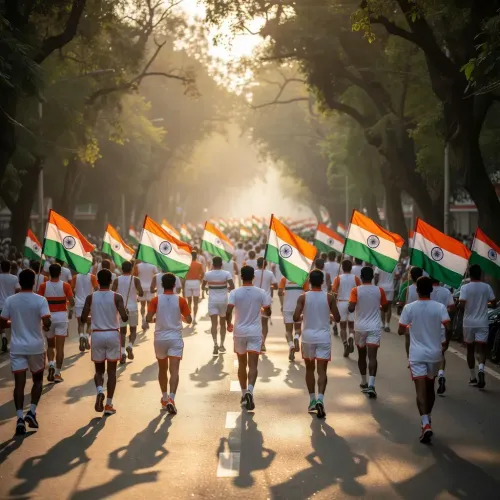
National Unity Day has been observed every 31 October since 2014, when the central government institutionalised the commemoration. The date now anchors an annual cycle of pledges, parades, and political messaging centred on integration themes — and CM Yogi's statement fits squarely within that tradition, though it sharpens the message from tribute into obligation.
A tribute that doubles as a warning
What distinguishes this statement from routine anniversary rhetoric is its conditional structure. Yogi Adityanath does not merely praise Patel — he sets a standard: to claim Patel's legacy is to accept a binding responsibility. The phrasing is deliberate. 'Aisaa koi kaarya na ho, jisse Bharat ki ekta va akhandataa ko koi chot pahunche' — 'Let no action occur that wounds India's unity and integrity.'
That framing transforms a ceremonial birthday post into something with sharper edges — a public articulation of what genuine nationhood demands of its citizens and leaders alike.
As India marks yet another National Unity Day, the Iron Man's legacy remains exactly what it always was: less a monument to admire, more a standard to keep.
Point of View
Particularly since the institutionalisation of National Unity Day in 2014. By couching the message as an obligation rather than a celebration, the statement subtly raises the stakes of the occasion beyond pageantry. It also reinforces Uttar Pradesh's positioning, under Yogi Adityanath, as a state that projects a strong national-integration identity alongside its governance record.
NationPress
31 Oct 2026
Frequently Asked Questions
Why is 31 October celebrated as National Unity Day in India?
31 October is the birth anniversary of Sardar Vallabhbhai Patel , India's first Deputy Prime Minister and Home Minister, who integrated 565 princely states into the Indian Union after independence. The central government officially designated the date as National Unity Day in 2014 to honour his legacy.
What did CM Yogi Adityanath say about Sardar Patel on 31 October 2026?
CM Yogi said that Sardar Patel's contribution in uniting a fragmented India is 'a source of inspiration for all.' He added that anyone who truly follows Patel has a responsibility to ensure no action is taken that harms India's unity and integrity .
Why is Sardar Vallabhbhai Patel called the Iron Man of India?
Sardar Vallabhbhai Patel earned the title Lauha Purush (Iron Man) for his decisive and firm leadership in integrating 565 princely states into independent India between 1947 and 1950 , a task considered one of the greatest feats of post-colonial nation-building in history.
When did India start observing National Unity Day?
India has observed National Unity Day every 31 October since 2014 , when the central government institutionalised the commemoration to mark Sardar Patel's birth anniversary.
Who is Yogi Adityanath and what is his role?
Yogi Adityanath has served as the Chief Minister of Uttar Pradesh since 2017 . He frequently issues statements on national unity, governance, and historical figures central to India's post-independence identity.