CM Yogi unveils Jhalkari Bai statue, launches 126 projects in Ayodhya
Synopsis
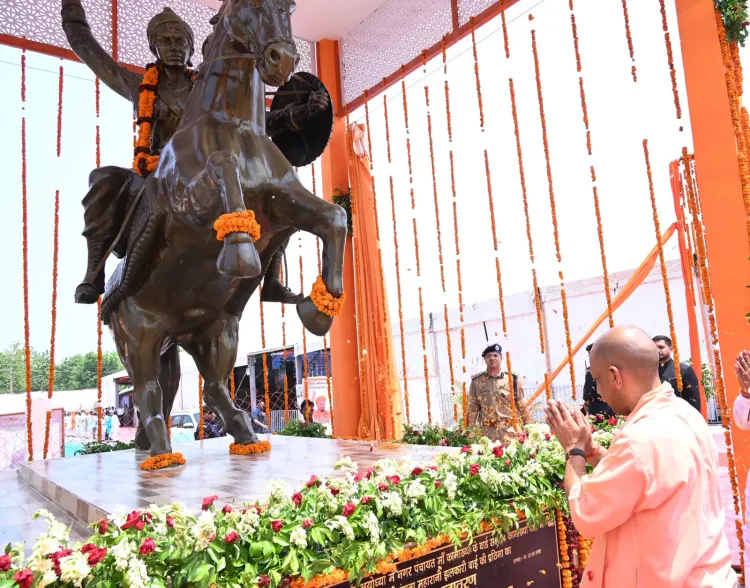
Chief Minister Yogi Adityanath on June 19, 2026, unveiled a statue of 1857 warrior Veerangana Jhalkari Bai and inaugurated 126 development projects worth over ₹378 crore in Ayodhya, including a new government Ayurvedic medical college and hospital, while distributing welfare scheme certificates to beneficiaries.
Key Takeaways
CM Yogi Adityanath attended a major public programme in Ayodhya on June 19, 2026 .
A grand statue of Veerangana Jhalkari Bai , the Koli community warrior of the 1857 revolt , was unveiled at the event.
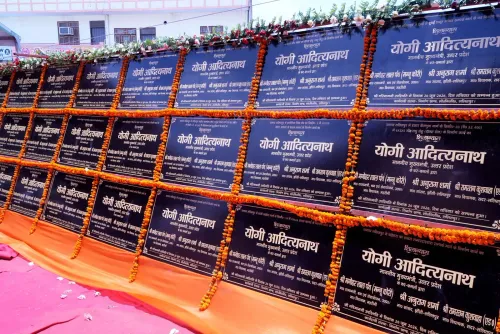
126 development projects were inaugurated or had their foundation stones laid, with a combined cost exceeding ₹378 crore .
A new Rajkiya Ayurvedic Mahavidyalaya evam Chikitsalaya (government Ayurvedic medical college and hospital) is among the key projects launched.
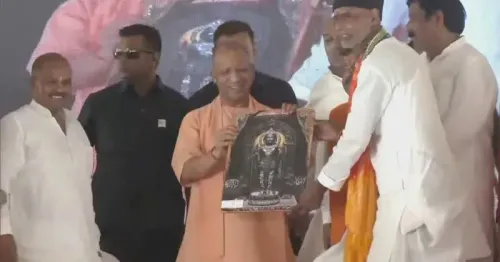
Beneficiaries of various public welfare schemes received certificates at the ceremony, linking infrastructure launches with direct citizen outreach.
The Uttar Pradesh government framed the event under its dual agenda of 'vikas aur virasat' — development and heritage.
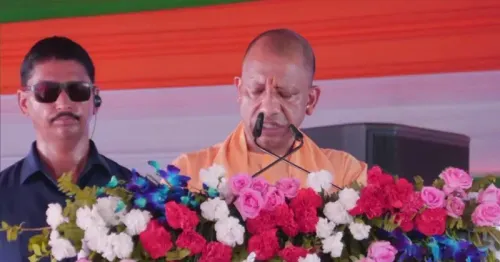
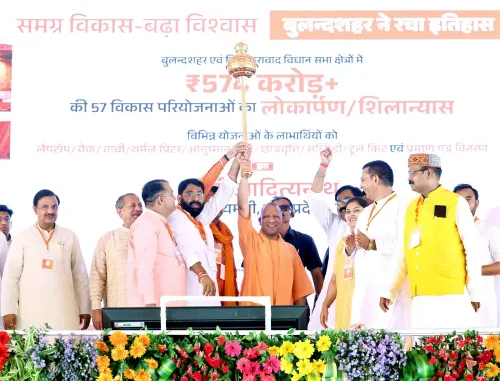
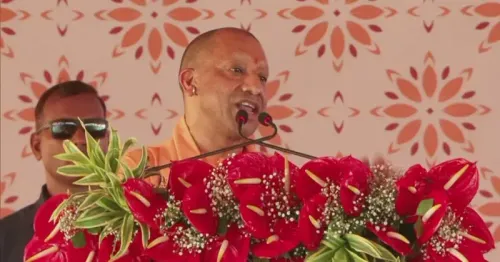
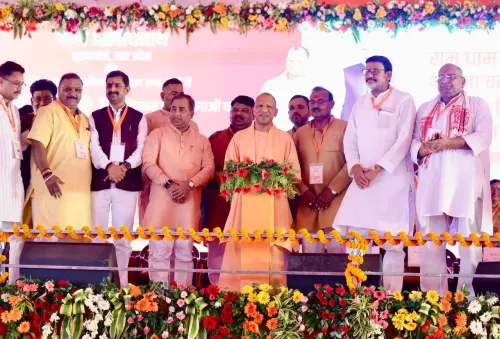
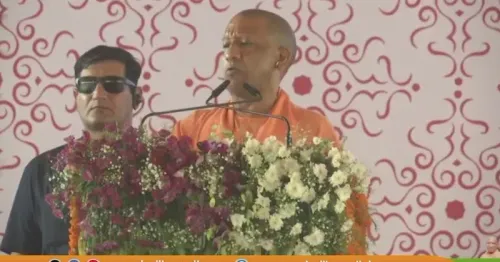
The Chief Minister's Office of Uttar Pradesh announced on Friday, June 19, 2026, that Chief Minister Yogi Adityanath participated in a major public programme in Ayodhya, unveiling a grand statue of freedom fighter Veerangana Jhalkari Bai and inaugurating or laying the foundation stones of 126 development projects worth more than ₹378 crore, including a new government Ayurvedic medical college and hospital.
Context
The official post, shared in Hindi, declared the event a celebration of 'virasat ka samman, vikas ka abhiyan' — 'honouring heritage, a campaign of development'. At the ceremony, beneficiaries of various public welfare schemes were also handed certificates of entitlement, underlining the state government's effort to link cultural commemoration with direct citizen welfare delivery.
Jhalkari Bai was a warrior from the Koli community who fought alongside Rani Lakshmibai during the 1857 revolt against British rule. Her statue's unveiling in Ayodhya adds to a series of commemorations the Uttar Pradesh government has organised across districts honouring heroes of the first war of independence.
Policy Backdrop
The centrepiece infrastructure announcement is the Rajkiya Ayurvedic Mahavidyalaya evam Chikitsalaya — a state government Ayurvedic medical college and hospital — being established in Ayodhya as part of the broader push to expand traditional medicine education and healthcare access in the region. The project aligns with the National AYUSH Mission, launched in 2014, which has supported the establishment of Ayurvedic colleges across Indian states including Uttar Pradesh.
Since the 2019 Supreme Court judgment paved the way for the Ram Temple construction, Ayodhya has seen accelerated state investment in civic infrastructure, heritage sites, and health and education facilities. The 126 projects inaugurated or foundation-stoned on Friday represent one of the larger single-day project launches in the city's recent development calendar.
Stakeholders and Impact
Ayodhya residents stand to benefit directly from the new Ayurvedic college and hospital, which is expected to expand access to traditional healthcare for the district and surrounding areas. Students of Ayurveda across Uttar Pradesh gain a new institutional option as the state works to mainstream AYUSH-based medical education.
The Koli community, for whom Jhalkari Bai holds deep cultural and historical significance, gains prominent public recognition through the statue installation in one of India's most symbolically important cities. CM Yogi Adityanath stated at the event that 'it is the responsibility of all of us to honour and preserve our heritage, great personalities, and centres of faith,' according to the official post.
The Uttar Pradesh government reiterated its stated commitment to advancing 'the preservation and promotion of historical heritage alongside public welfare works, in coordination of development and heritage.'
What's Next
The operationalisation of the Rajkiya Ayurvedic Mahavidyalaya evam Chikitsalaya will be a key milestone to track, including its student intake capacity, staffing, and patient outreach timelines. Observers will also watch for the rollout of welfare scheme benefits to the certificate recipients from the June 19 event.
The broader pattern of pairing heritage commemoration with infrastructure investment in Ayodhya suggests further statue installations and AYUSH facility expansions are likely as the state continues its dual 'vikas aur virasat' — development and heritage — agenda ahead of future electoral cycles.
Point of View
Cultural identity, and welfare delivery. Unveiling a Jhalkari Bai statue in Ayodhya, a city already loaded with symbolic weight, is a calculated signal to the Koli community while reinforcing the state's broader narrative of reclaiming 1857 heroes. The ₹378 crore Ayurvedic college adds a health-education dimension that speaks to the AYUSH policy mainstream, tying state priorities to a central government mission. Together, these moves suggest the administration is consolidating its base across caste, faith, and development lines well ahead of the next electoral test.
NationPress
19 Sept 2026
Frequently Asked Questions
What projects did CM Yogi launch in Ayodhya on June 19 2026?
CM Yogi Adityanath inaugurated or laid foundation stones for 126 development projects in Ayodhya on June 19, 2026, worth more than ₹378 crore. The headline project is a new government Ayurvedic medical college and hospital — the Rajkiya Ayurvedic Mahavidyalaya evam Chikitsalaya.
Who was Veerangana Jhalkari Bai and why was her statue unveiled in Ayodhya?
Jhalkari Bai was a Koli community warrior who fought alongside Rani Lakshmibai during the 1857 revolt against British rule. The Uttar Pradesh government unveiled her statue in Ayodhya as part of its ongoing effort to honour regional heroes of India's first war of independence.
What is the Rajkiya Ayurvedic Mahavidyalaya in Ayodhya?
The Rajkiya Ayurvedic Mahavidyalaya evam Chikitsalaya is a new state government Ayurvedic medical college and hospital being established in Ayodhya. It is designed to expand traditional medicine education and healthcare access in the region, in line with the National AYUSH Mission.
What is the UP government's 'vikas aur virasat' policy?
'Vikas aur virasat' — development and heritage — is the stated dual agenda of the Uttar Pradesh government under CM Yogi Adityanath. It involves simultaneously advancing physical infrastructure and welfare schemes while commemorating historical figures and preserving cultural and religious heritage sites.
How much money is the Uttar Pradesh government investing in Ayodhya development?
At the June 19, 2026, event alone, projects worth more than ₹378 crore were launched or foundation-stoned in Ayodhya. This is part of a broader wave of state investment in the city that accelerated after the 2019 Supreme Court judgment on the Ram Temple.