CM Yogi Leads Ayodhya's Deepotsav 2026 Celebrations
Synopsis
Uttar Pradesh Chief Minister Yogi Adityanath participated in Deepotsav 2026 in Ayodhya on 7 November, welcoming the Shri Ram Darbar and invoking the Ramayana verse 'Ramo Vigrahaván Dharmah' to celebrate Sanatan cultural heritage.
Key Takeaways
CM Yogi Adityanath attended and posted about Deepotsav 2026 in Ayodhya on 7 November 2026 .
He opened his post with the Sanskrit invocation 'Ramo Vigrahaván Dharmah' — meaning 'Rama is the embodiment of Dharma' — from the Valmiki Ramayana.
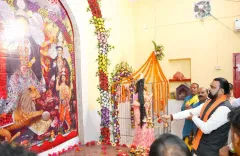
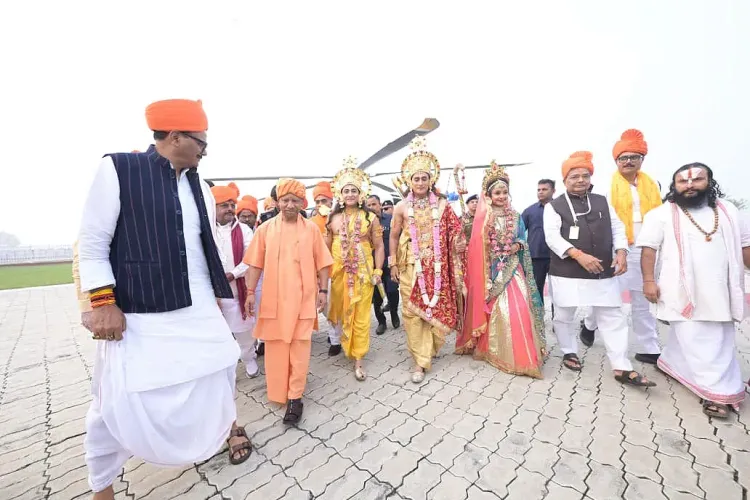
The occasion included a formal welcome of the Shri Ram Darbar , described by the Chief Minister as a rare privilege.
Deepotsav has been held annually in Ayodhya with state support since the mid-2010s, expanding significantly after the 2019 Supreme Court verdict on the Ram Janmabhoomi site.
The festival is a flagship cultural programme of the Yogi Adityanath government, framing Ayodhya's heritage as a living civilisational tradition.
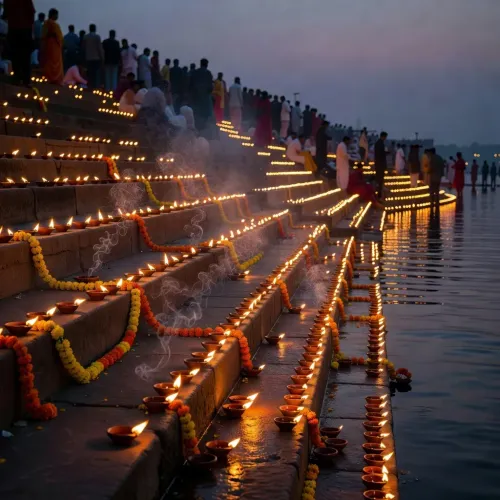
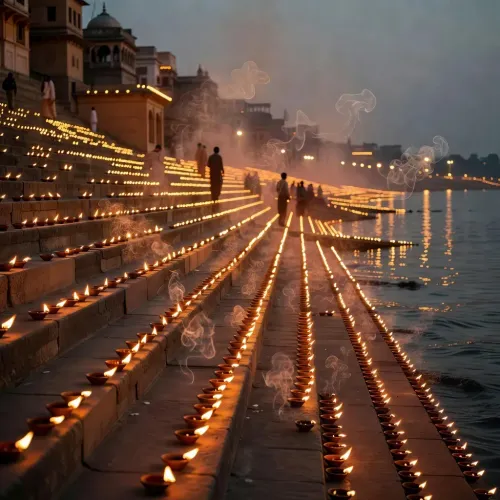
Thousands of lamps lit the banks of the Sarayu as Uttar Pradesh Chief Minister Yogi Adityanath welcomed the Shri Ram Darbar at Ayodhya on Saturday, 7 November 2026, marking another edition of the city's grandest annual festival of lights. The occasion was Deepotsav 2026 — and Ayodhya, once again, burned bright.
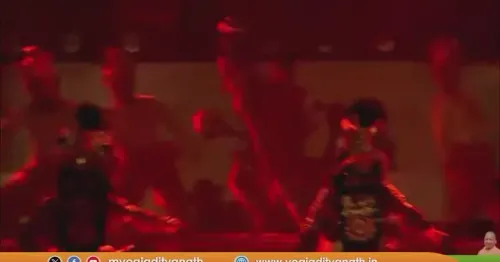
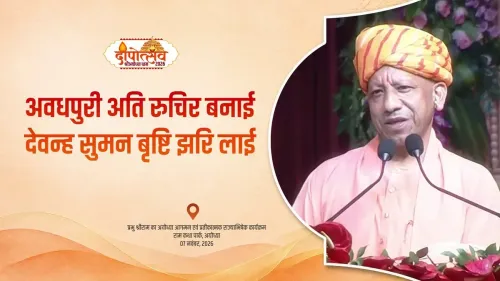
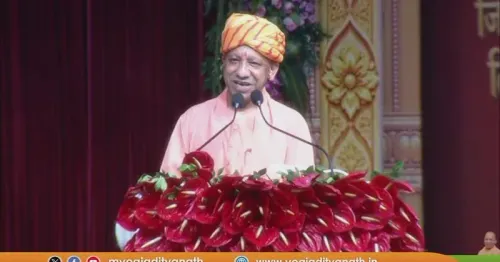
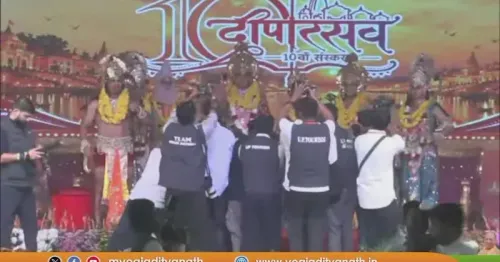
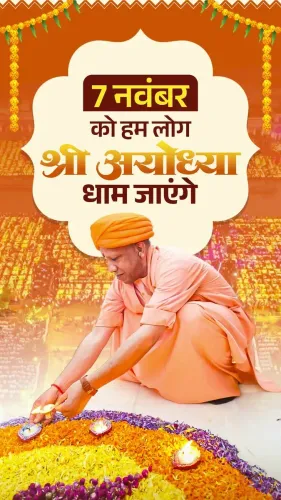
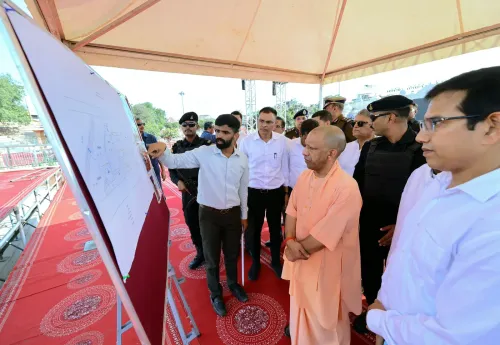
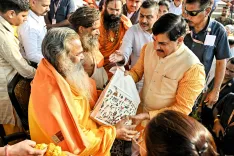
Posting on X, CM Yogi opened with the Sanskrit invocation 'Ramo Vigrahaván Dharmah' — 'Rama is the embodiment of Dharma' — before describing the moment as a privilege to receive the Shri Ram Darbar. 'May the dignity of our Sanatan culture and cultural identity continue to be enshrined in this manner,' he wrote, offering that prayer to Maryada Purushottam Prabhu Shri Ram. The post was accompanied by four images from the celebrations.
Ayodhya's Festival of Lights and Its Growing Scale
Deepotsav has been held annually in Ayodhya with state government support since the mid-2010s, growing steadily in scale and visibility. The festival received a significant boost after the 2019 Supreme Court verdict on the Ram Janmabhoomi site, which cleared the path for construction of the Ram Mandir. Each successive edition has drawn larger crowds of Hindu devotees and tourists to the ancient city, which tradition holds as the birthplace of Lord Rama.
The event has become one of the flagship cultural programmes of the Yogi Adityanath government, framing Ayodhya's religious heritage as a living, state-supported civilisational tradition rather than a relic. The Chief Minister, who also heads the Gorakhnath Math, has consistently positioned such festivals as expressions of Sanatan cultural continuity — a theme that runs through Saturday's post as well.
The Civilisational Framing Behind the Celebration
The choice of the Sanskrit verse 'Ramo Vigrahaván Dharmah' — drawn from the Valmiki Ramayana — as the opening line is deliberate. It casts the festival not merely as a seasonal celebration but as a reaffirmation of an ancient moral order, with Rama as its living symbol. This kind of cultural framing has become a consistent feature of official Ayodhya messaging in the post-Ram Mandir era.
For Ayodhya's residents and the millions of devotees who travel to the city each year, Deepotsav is both a religious moment and an economic one — the city's tourism and hospitality sectors have expanded significantly alongside the festival's rising profile.
As the lamps burn on the Sarayu's ghats tonight, the question for the months ahead is how the state translates this cultural momentum into the infrastructure and connectivity that a city of Ayodhya's new national stature demands.
Point of View
And CM Yogi's continued personal participation signals that Ayodhya's symbolic centrality to the BJP's cultural politics remains firmly intact well after the Ram Mandir's consecration. The invocation of a Ramayana verse rather than a political slogan is itself a studied choice — it anchors the celebration in scriptural authority rather than electoral messaging. As Ayodhya's tourism and infrastructure footprint grows, these annual festivals serve a dual purpose: reinforcing civilisational identity for the party's base while generating measurable economic activity for the city. The pattern suggests the state government intends Deepotsav to become as institutionally embedded as Kumbh Mela in UP's cultural calendar.
NationPress
7 Nov 2026
Frequently Asked Questions
What is Deepotsav in Ayodhya?
Deepotsav is an annual festival of lights held in Ayodhya, Uttar Pradesh, celebrating Sanatan cultural traditions around the time of Diwali. It has been organised with state government support since the mid-2010s and has grown significantly in scale after the 2019 Supreme Court verdict on the Ram Janmabhoomi site.
What did CM Yogi Adityanath say at Deepotsav 2026?
CM Yogi Adityanath posted on X that he had the privilege of welcoming the Shri Ram Darbar at Deepotsav 2026 in Ayodhya. He opened with the Sanskrit verse 'Ramo Vigrahaván Dharmah' and prayed that the dignity of Sanatan culture continues to be upheld.
What does 'Ramo Vigrahaván Dharmah' mean?
'Ramo Vigrahaván Dharmah' is a Sanskrit phrase from the Valmiki Ramayana meaning 'Rama is the embodiment of Dharma.' CM Yogi used it to open his Deepotsav 2026 post on X, framing the festival as a celebration of an ancient moral and spiritual order.
When is Deepotsav 2026 in Ayodhya?
Deepotsav 2026 was held in Ayodhya on Saturday, 7 November 2026, with CM Yogi Adityanath participating in the celebrations and welcoming the Shri Ram Darbar.
Why is Ayodhya's Deepotsav significant?
Ayodhya is traditionally regarded as the birthplace of Lord Rama and is home to the Ram Mandir. Deepotsav has become one of the state's flagship cultural events, drawing large numbers of Hindu devotees and tourists and boosting the city's growing religious tourism economy.