CM Yogi: Only Ram devotees can enter Ayodhya Dham now
Synopsis
Uttar Pradesh Chief Minister Yogi Adityanath declared on 6 June 2026 that only devotees of Ram can enter Shri Ayodhya Dham, invoking the term 'Ramadrohī' for those he considers opposed to Ram. The remark underscores the BJP government's sustained effort to project Ayodhya as a transformed, exclusively devotional city following the Ram Temple's 2024 inauguration.
Key Takeaways
Yogi Adityanath posted on X on 6 June 2026 asserting that no 'Ramadrohī' (enemy of Ram) can enter Shri Ayodhya Dham .
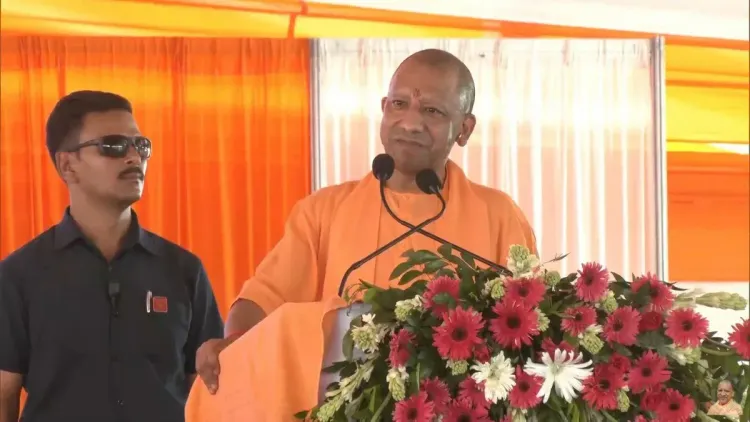
The statement was accompanied by a video and posted in Hindi, reflecting the Chief Minister's characteristic framing of Ayodhya as a protected devotional space.
The Ram Janmabhoomi Temple was inaugurated on 22 January 2024 following the Supreme Court's 2019 verdict allowing its construction.
Yogi Adityanath's administration has invested heavily in Ayodhya's infrastructure since 2017 , including an airport, river ghats, and road widening under the city's master plan.
The post continues a pattern of public messaging that frames Ayodhya's transformation as both a devotional and administrative achievement of the BJP government in Uttar Pradesh .
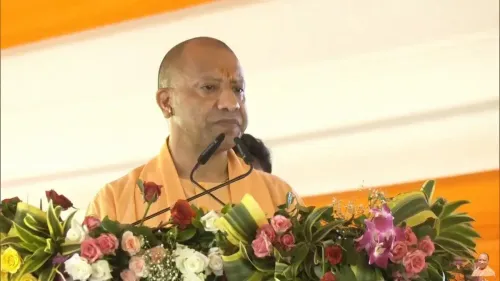
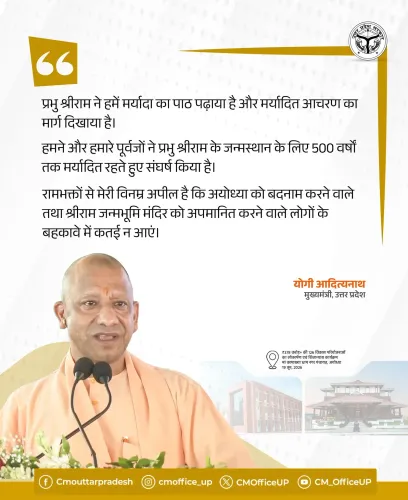
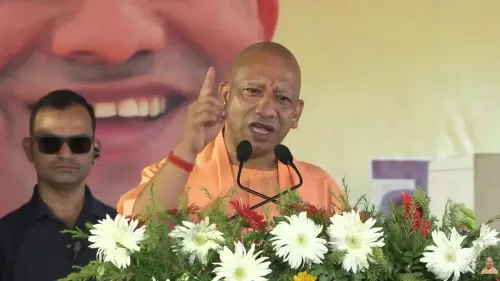
Uttar Pradesh Chief Minister Yogi Adityanath posted a pointed assertion on X on Saturday, 6 June 2026, declaring that no one opposed to Ram — using the term 'Ramadrohī' (enemy of Ram) — can now enter Shri Ayodhya Dham, and that only true devotees of Ram are welcome there.
Context
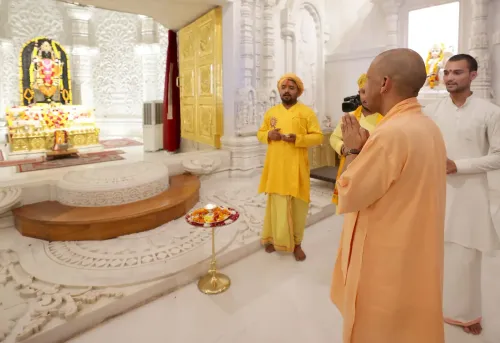
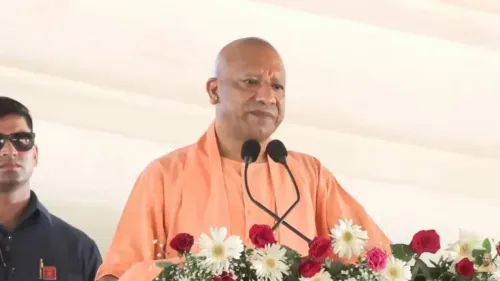
The post, in Hindi, reads: 'Ab to Shri Ayodhya Dham mein Ram bhakt ke alawa koi Ramadrohī ghus hi nahin sakta...' — translated as: 'Now, no one who is an enemy of Ram can enter Shri Ayodhya Dham... only a devotee of Ram can.' The statement was accompanied by a video, suggesting a visual context tied to the city's current state of development and security.
The remark is characteristically combative in tone, invoking a binary between devotees and opponents of Ram — a framing Yogi Adityanath has used repeatedly in political and religious contexts to underscore the transformation he attributes to his administration in Ayodhya.
Policy Backdrop
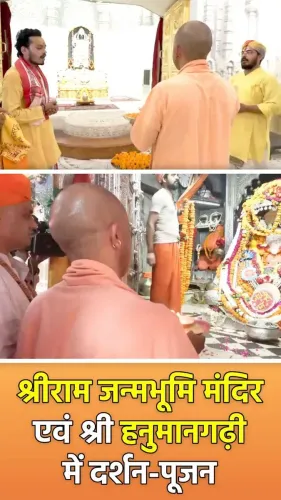
Ayodhya has been at the centre of one of India's most consequential legal and political processes. The Supreme Court of India delivered its landmark verdict in 2019, clearing the way for construction of the Ram Janmabhoomi Temple at the site regarded as the birthplace of Lord Ram. The temple was inaugurated on 22 January 2024 in the presence of Prime Minister Narendra Modi, marking a moment the ruling BJP described as a civilisational milestone.
Since 2017, when Yogi Adityanath assumed office as Chief Minister, his administration has channelled large-scale investment into Ayodhya's infrastructure — widening roads, developing the Ayodhya airport, constructing ghats along the Saryu river, and redesigning the city's public spaces as part of a comprehensive master plan. The stated goal has been to position Ayodhya as a world-class pilgrimage and religious tourism destination.
Stakeholders and Impact
The primary stakeholders in Ayodhya's transformation are the millions of pilgrims who visit annually, the Ram Janmabhoomi Teertha Kshetra Trust overseeing the temple complex, local residents and traders, and the broader community of Hindu devotees across India. Following the temple's inauguration in early 2024, footfall at Ayodhya surged sharply, placing increased demand on the city's infrastructure and security apparatus.
The Chief Minister's post signals a continued emphasis on the city's identity as an exclusively devotional space, with implicit messaging about access, security, and the character of governance the BJP wishes to project in the run-up to future electoral cycles. Critics and opposition voices have previously argued that such rhetoric risks exclusion and communal polarisation, while the administration frames it as protection of a sacred site.
What's Next
The Uttar Pradesh government is expected to roll out additional phases of the Ayodhya master plan, including further upgrades to pilgrimage corridors and possibly new access or security protocols for the temple precinct. Yogi Adityanath's continued public messaging around Ayodhya suggests the city will remain a central pillar of the BJP's cultural and political identity in the state. How the administration translates this rhetoric into concrete policy on access and security will be closely watched by both supporters and civil liberties observers.
Point of View
The Chief Minister draws a sharp insider-outsider boundary that resonates with the party's core voter base while signalling administrative control over the city's character. The statement arrives in a political environment where Ayodhya's post-temple trajectory — tourism revenues, infrastructure gaps, and communal harmony — remains under scrutiny. It reflects a broader pattern in which cultural messaging and governance claims are fused into a single political narrative ahead of electoral cycles.
NationPress
21 Oct 2026
Frequently Asked Questions
What did CM Yogi Adityanath say about Ayodhya Dham?
On 6 June 2026, Chief Minister Yogi Adityanath posted on X that only devotees of Ram can now enter Shri Ayodhya Dham, and that no 'Ramadrohī' — a term meaning enemy of Ram — can gain entry there.
When was the Ram Temple in Ayodhya inaugurated?
The Ram Janmabhoomi Temple in Ayodhya was inaugurated on 22 January 2024 in the presence of Prime Minister Narendra Modi, following the Supreme Court's 2019 verdict permitting its construction.
What is the Ayodhya master plan?
The Ayodhya master plan is a large-scale infrastructure and urban development programme initiated by the Yogi Adityanath government to transform Ayodhya into a world-class pilgrimage and religious tourism destination, covering roads, an airport, river ghats, and public spaces.
Who is Yogi Adityanath?
Yogi Adityanath is the Chief Minister of Uttar Pradesh, serving since 2017, and is also a senior BJP leader and the head of the Gorakhnath Math in Gorakhpur.
What does 'Ramadrohī' mean?
'Ramadrohī' is a Hindi term meaning one who is a traitor to or enemy of Ram. Yogi Adityanath used it in his post to refer to those he considers opposed to Lord Ram or the values associated with the Ram Janmabhoomi movement.