CM Yogi Orders PET-2026 Exam Logistics Blitz in UP

Synopsis
Chief Minister Yogi Adityanath has directed UP departments to deploy extra buses and trains, ensure uninterrupted power at all centres, secure exam materials, and station cleanliness teams at transport hubs ahead of the PET-2026 recruitment examination.
Key Takeaways
CM Yogi Adityanath issued multi-department logistics directives for PET-2026 on 24 October 2026 .
Additional buses and trains are to be deployed with a focus on crowd control and traffic management on exam dates.
Uninterrupted power supply has been mandated at all examination centres during the test.
Special teams will be stationed at exam centres, railway stations, bus depots, and tempo stands for sanitation.
Strict security for exam papers and confidential records has been ordered — a direct response to UP's 2021-2023 paper leak history.
Implementation responsibility now rests with district administrations and departmental heads across UP's 75 districts.
With Uttar Pradesh's PET-2026 recruitment examination on the horizon, Chief Minister Yogi Adityanath has issued a sweeping set of operational directives — covering transport, power, sanitation, and exam-material security — signalling that the state intends to leave nothing to chance this cycle.
What CM Yogi Has Ordered
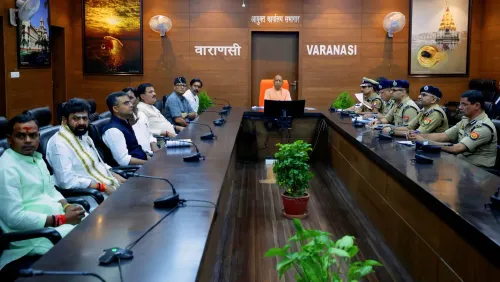
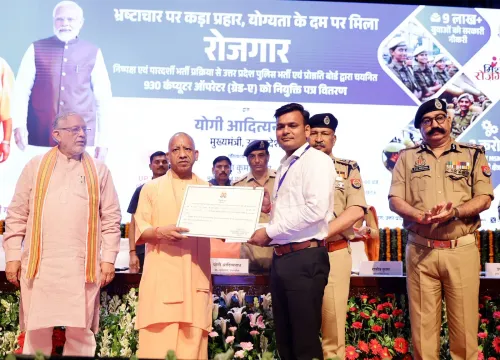
The Chief Minister's Office of Uttar Pradesh posted the directives on Saturday, 24 October 2026, spelling out a multi-department action plan. The Chief Minister has instructed that atirikt bason aur traino ke sanchalan ki vyavastha ki jaye — additional buses and trains be deployed — with a specific focus on crowd control and traffic management around examination dates.
Uninterrupted power supply at all exam centres on the days of the test is a non-negotiable condition, per the directive. Special teams are to be stationed at exam centres, railway stations, bus depots, and tempo stands to maintain cleanliness — a logistical touch that speaks to the sheer scale of candidates expected to travel across the state.
Securing the Paper: The Security Directive
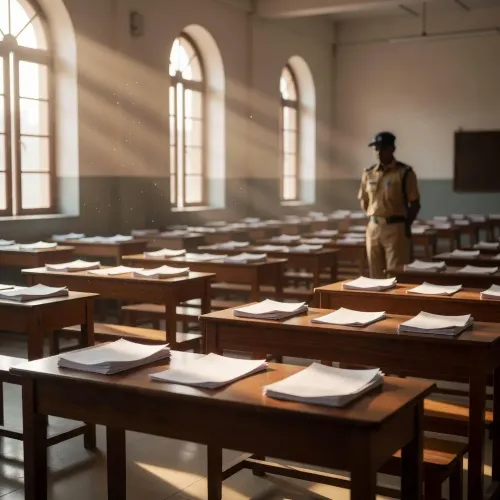
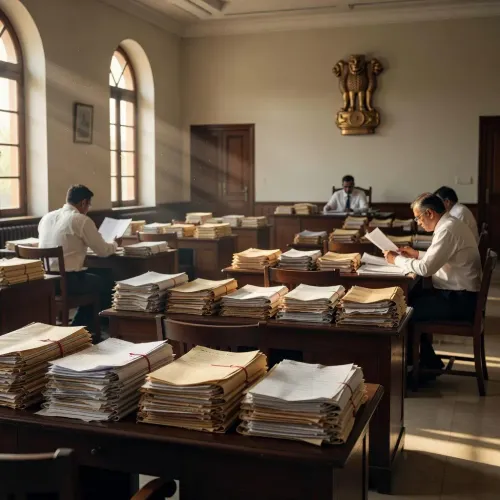
Perhaps the most pointed instruction concerns the safety of exam materials. CM Yogi has explicitly ordered that examination papers and confidential records be secured — a directive that carries unmistakable weight given Uttar Pradesh's history of paper leak incidents between 2021 and 2023, which triggered public outrage and forced cancellations of multiple recruitment cycles.
The state administration has since worked to rebuild credibility in its examination processes, and the early, detailed nature of these logistics orders suggests a deliberate effort to demonstrate institutional readiness well ahead of exam day.
Why PET-2026 Draws This Level of Attention
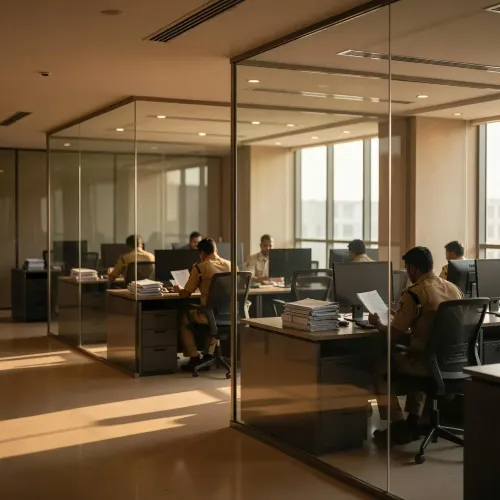
The Preliminary Eligibility Test (PET) is a gateway examination for Group C and Group D government posts in Uttar Pradesh — roles that attract lakhs of applicants from across the state's 75 districts. The volume of candidates makes inter-departmental coordination not merely helpful but essential: transport departments, district administrations, police, and power utilities all have to move in sync on exam dates.
Indian states have repeatedly learned — sometimes painfully — that logistical failures at this scale become political crises. A power outage at an exam centre, a train delay that causes a candidate to miss their slot, or a leaked question paper can unravel months of administrative effort in hours. CM Yogi's pre-emptive, granular directives are a direct response to that institutional memory.
The ball now moves to district collectors and departmental heads to translate these orders into on-ground deployment plans. The credibility of the process will be tested not in Lucknow's offices, but at bus stands in Gorakhpur, Agra, Varanasi, and Kanpur on exam morning.
Point of View
Granular directives for PET-2026 are less routine administration and more deliberate reputation management — the UP government is visibly trying to break from a recent pattern of examination irregularities that damaged institutional trust. Issuing specific crowd, power, and paper-security instructions months in advance signals a shift toward proactive governance theatre, where the announcement itself is part of the accountability signal. If district-level execution matches the ambition of the directive, it could mark a meaningful turning point in how UP manages high-stakes public recruitment. The real test, however, is always implementation — and that story will be written on exam day, not in Lucknow.
NationPress
25 Oct 2026
Frequently Asked Questions
What is PET-2026 in Uttar Pradesh?
PET stands for Preliminary Eligibility Test, a gateway examination conducted by the Uttar Pradesh government for Group C and Group D government recruitment posts, attracting lakhs of candidates from across the state.
What instructions has CM Yogi given for PET-2026?
CM Yogi Adityanath has directed authorities to deploy additional buses and trains for candidate transport, ensure uninterrupted power at all exam centres, secure exam papers and confidential records, and post special cleanliness teams at exam centres and transport hubs.
Why is exam paper security a key focus in UP?
Uttar Pradesh faced multiple paper leak incidents between 2021 and 2023, forcing cancellation of recruitment exams and triggering public outrage, which is why the CM has specifically ordered strict security for examination materials.
Which departments are involved in PET-2026 preparations?
The directives involve the transport department for extra buses and trains, the power department for uninterrupted electricity, local police for crowd and security management, and municipal teams for sanitation at exam and transport venues.
When were CM Yogi's PET-2026 directives issued?
The Chief Minister's Office of Uttar Pradesh posted the directives on Saturday, 24 October 2026.