CM Yogi Offers Prayers at Pateshwari Devi Shaktipeeth in Balrampur
Synopsis
Chief Minister Yogi Adityanath visited the Adishakti Maa Pateshwari Devi Shaktipeeth in Tulsipur, Balrampur on 22 July 2026, offering prayers for the welfare of Uttar Pradesh residents and performing gau seva at the temple gaushala — continuing his administration's pattern of engaging with religious and cow-protection heritage sites.
Key Takeaways
CM Yogi Adityanath visited Adishakti Maa Pateshwari Devi Shaktipeeth in Tulsipur, Balrampur on 22 July 2026 .
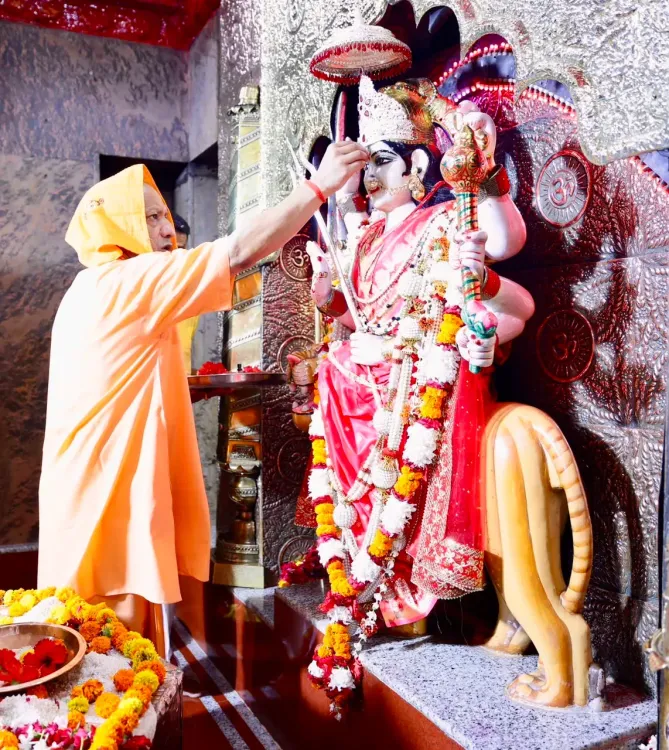
He offered darshan-pujan and prayed for the welfare of the people of Uttar Pradesh .
The Chief Minister performed gau seva at the gaushala located within the temple complex.
The visit aligns with the Yogi government's ongoing promotion of Shaktipeeths and pilgrimage circuits across the state since 2017 .
Balrampur district borders Nepal and is home to several religiously significant sites being integrated into state pilgrimage infrastructure.
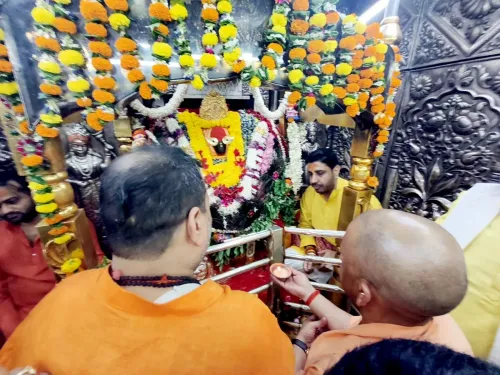
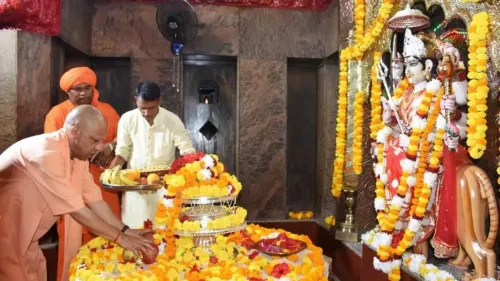
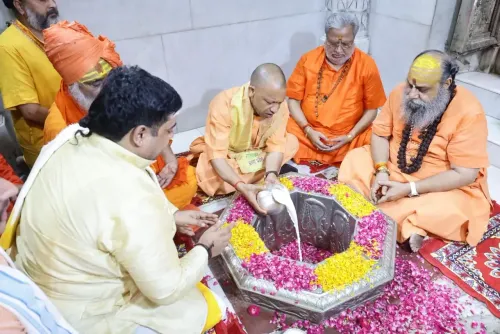
The Chief Minister's Office of Uttar Pradesh announced on Wednesday, 22 July 2026, that Chief Minister Yogi Adityanath visited the Adishakti Maa Pateshwari Devi Shaktipeeth in Tulsipur, Balrampur district, where he offered prayers and sought the welfare of the people of the state. During the same visit, the Chief Minister performed gau seva (cow service) at the gaushala located within the temple complex.
Context
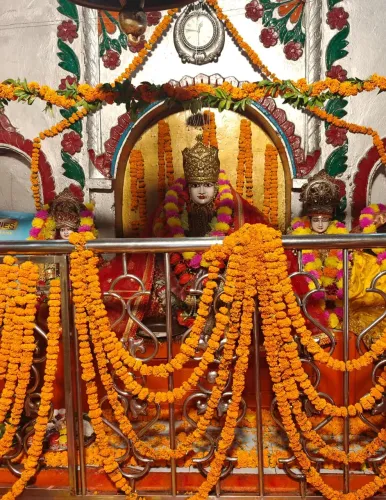
The Chief Minister's Office posted on X that CM Yogi Adityanath offered darshan-pujan (ritual worship) at the ancient Shaktipeeth and prayed for the well-being of residents across Uttar Pradesh. He also tended to cows at the on-site gaushala, a gesture consistent with his administration's emphasis on cow protection. The post was accompanied by three photographs from the temple premises.Policy Backdrop
The Adishakti Maa Pateshwari Devi Shaktipeeth in Tulsipur is one of several revered Shaktipeeths in eastern Uttar Pradesh. Since 2017, the Yogi Adityanath government has actively promoted religious tourism by developing Shaktipeeths and pilgrimage circuits across the state. Alongside temple infrastructure, the administration has channelled support toward gaushalas — both at religious sites and in public spaces — as part of a broader cow protection policy framework. Balrampur district, which borders Nepal, has historically been home to significant religious sites. State-level efforts to integrate such sites into organised pilgrimage circuits have brought increased footfall and infrastructure investment to the region in recent years.Stakeholders and Impact
The visit carries significance for religious devotees of the goddess Pateshwari and for the local communities of Tulsipur and Balrampur. Temple visits by the Chief Minister typically draw attention to site-specific needs — from infrastructure upgrades to connectivity — and often precede enhanced state allocations for the area. The gaushala within the temple complex, which houses cows tended through community and state support, also benefits from the visibility such visits generate. For the broader population of Uttar Pradesh, the visit reinforces the administration's public positioning on cultural heritage and animal welfare — two themes that have run consistently through CM Yogi Adityanath's tenure since he assumed office in March 2017.What's Next
Observers will watch for any follow-up announcements regarding infrastructure development or budget allocations for temple complexes and gaushalas in eastern Uttar Pradesh, particularly in districts such as Balrampur that host significant pilgrimage sites. The state government's ongoing efforts to expand and upgrade pilgrimage circuits suggest that high-profile visits of this nature often serve as precursors to concrete administrative action at the local level.Point of View
As it links the religious dimension of the visit to the administration's institutionalised cow-protection policy. Taken together, these visits function as a soft policy signal, often preceding formal announcements on pilgrimage circuit development or gaushala funding in the targeted district.
NationPress
21 Oct 2026
Frequently Asked Questions
Where is Adishakti Maa Pateshwari Devi Shaktipeeth located?
The Adishakti Maa Pateshwari Devi Shaktipeeth is located in Tulsipur town in Balrampur district of eastern Uttar Pradesh, which shares a border with Nepal.
Why did CM Yogi Adityanath visit Balrampur on 22 July 2026?
CM Yogi Adityanath visited the Pateshwari Devi Shaktipeeth in Tulsipur, Balrampur to offer prayers and seek the welfare of the people of Uttar Pradesh, and also performed gau seva at the temple gaushala.
What is gau seva and why does CM Yogi perform it?
Gau seva refers to the act of serving or tending to cows, considered sacred in Hindu tradition. CM Yogi Adityanath's administration has strongly promoted cow protection since 2017, and such acts underscore the government's policy emphasis on gaushalas and animal welfare.
What is a Shaktipeeth?
A Shaktipeeth is a sacred Hindu shrine dedicated to the goddess Shakti (the divine feminine). These sites hold deep religious significance and are major pilgrimage destinations across India.
Has the UP government invested in religious tourism at Shaktipeeths?
Yes, since 2017 the Yogi Adityanath government has promoted religious tourism by developing Shaktipeeths and pilgrimage circuits across Uttar Pradesh, including infrastructure upgrades at temple complexes and support for gaushalas at religious sites.