CM Yogi: UP's Law and Order Lets Devotees Visit Temples Freely
Synopsis
Chief Minister Yogi Adityanath says the Uttar Pradesh government has ensured a secure environment enabling devotees to freely visit Shaktipeeths and temples during Navratri 2026, with thousands of Durga idols installed across the state deepening public religious observance.
Key Takeaways
CM Yogi Adityanath stated on October 13, 2026 that UP has created a safe environment for unrestricted temple visits.
Devotees can freely visit Shaktipeeths and temples across the state without fear, according to the Chief Minister's Office.
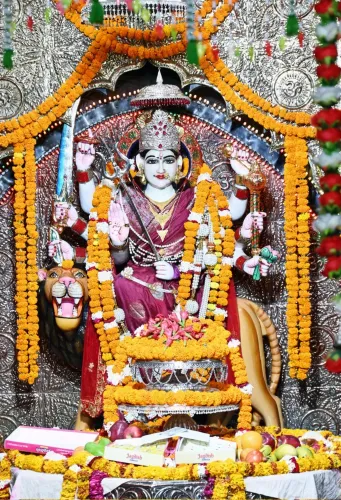
Thousands of Maa Durga idols have been installed across Uttar Pradesh for the Navratri festival period.
The government links improved policing directly to facilitation of religious observance — a consistent messaging pattern since 2017 .
Post-Navratri security or footfall data may follow as the administration seeks to substantiate the claim with figures.
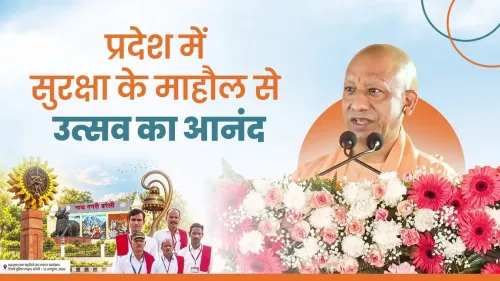
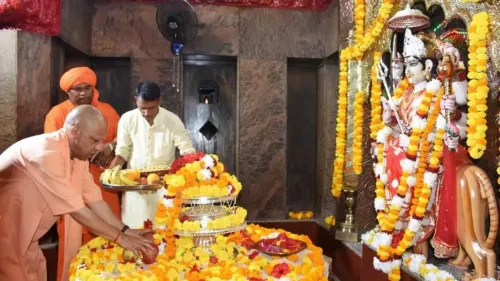
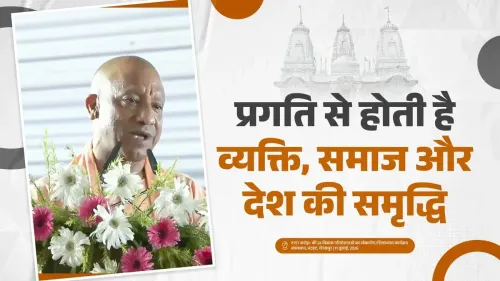
This Navratri, the streets of Uttar Pradesh belong to the devotees — and the state government wants that message heard loud and clear. On Tuesday, October 13, 2026, the Chief Minister's Office of Uttar Pradesh shared a statement from Chief Minister Yogi Adityanath asserting that the state has created an environment so secure that citizens can step out of their homes without fear and freely visit Shaktipeeths and temples to seek the blessings of Maa Bhagwati (Mother Goddess).
The statement, posted in Hindi, reads: 'प्रदेश सरकार ने ऐसा सुरक्षित वातावरण सुनिश्चित किया है, जिसमें लोग बेझिझक और निडर होकर घरों से निकल सकते हैं तथा जगह-जगह स्थित शक्तिपीठों और मंदिरों में माँ भगवती के दर्शन कर सकते हैं।' — 'The state government has ensured a safe environment in which people can leave their homes freely and without fear, and visit the Shaktipeeths and temples located across the state to have the darshan of Maa Bhagwati.'
Thousands of Durga Idols and the Navratri Moment
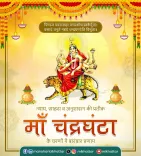
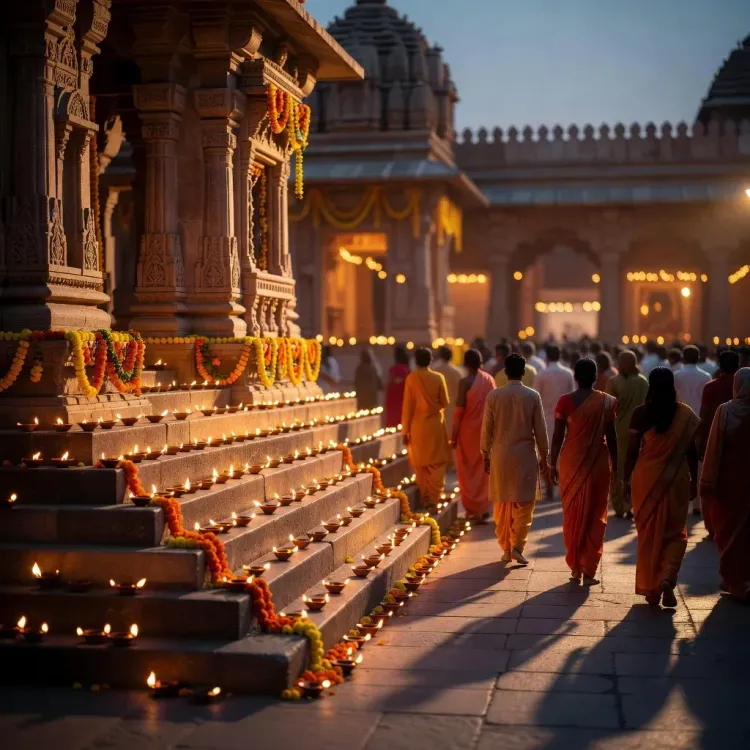
The statement goes on to note that thousands of Maa Durga idols installed across the state have brought devotees closer to their faith, enabling them to participate in prayers and rituals venerating Jagajjanani — the 'Mother of the Universe'. The timing is deliberate: Navratri, the nine-night Hindu festival dedicated to the goddess Durga, is one of the most widely observed religious occasions across Uttar Pradesh, drawing enormous congregations at major Shaktipeeths and at neighbourhood pandals alike.
A Recurring Governance Claim Since 2017
Since taking office in 2017, CM Yogi Adityanath has consistently threaded together two narratives: stricter law enforcement and freer religious practice. The government has repeatedly cited improved policing as the enabler of safer pilgrimages to sites like Vindhyavasini Dham, Shaktipeeth Maa Sharde, and the ghats of Varanasi. Festival seasons — Navratri, Kanwar Yatra, Makar Sankranti — have all served as backdrops for similar messaging.
The pattern is now well-established: public safety data or security deployment figures typically follow such statements as the festival cycle ends, giving the administration a second news cycle to reinforce the claim with numbers. Whether official crime or footfall data emerges in the post-Navratri period will be the next indicator of how this governance assertion holds up.
Point of View
The government ties its security credential directly to an emotional high point for millions of devotees, maximising resonance. The recurring nature of such communications across festival cycles suggests a deliberate electoral and cultural strategy rather than a one-off announcement. The real test, as always, will be whether independent data on crowd safety and crime rates bears out the assertion once the festival concludes.
NationPress
13 Oct 2026
Frequently Asked Questions
What did CM Yogi Adityanath say about Navratri security in UP 2026?
CM Yogi Adityanath stated that the Uttar Pradesh government has ensured a secure environment where people can leave their homes without fear and freely visit Shaktipeeths and temples to seek the blessings of Maa Bhagwati during Navratri.
Which Shaktipeeths and temples are popular during Navratri in Uttar Pradesh?
Major Navratri destinations in Uttar Pradesh include Vindhyavasini Dham in Mirzapur, Shaktipeeth Maa Sharde in Maihar (accessible from UP), and numerous Durga temples along the ghats of Varanasi, among thousands of local installations across the state.
How has the Yogi government linked law and order with religious festivals?
Since 2017, the Uttar Pradesh government under CM Yogi Adityanath has consistently cited improved policing and public safety arrangements as the reason devotees can undertake pilgrimages and attend festivals without fear, making it a central governance narrative.
How many Durga idols are installed in Uttar Pradesh during Navratri?
The Chief Minister's Office stated that thousands of Maa Durga idols have been installed across Uttar Pradesh for Navratri 2026; specific verified figures have not been officially released at the time of this report.
When is Navratri celebrated in 2026?
The Sharadiya (autumn) Navratri in 2026 falls in October, with the nine-day festival being one of the most widely observed Hindu occasions across Uttar Pradesh and the rest of India.