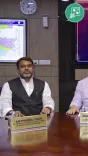
Shivraj Singh Chouhan marks 5 years of PM GatiShakti

Synopsis
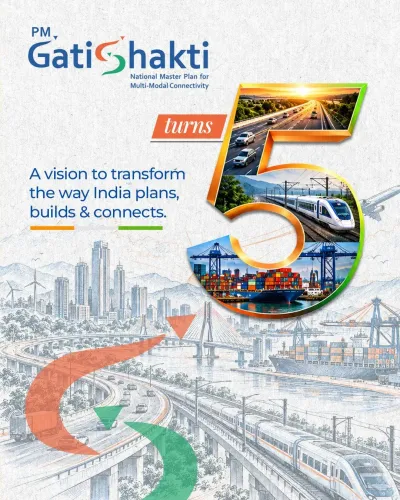
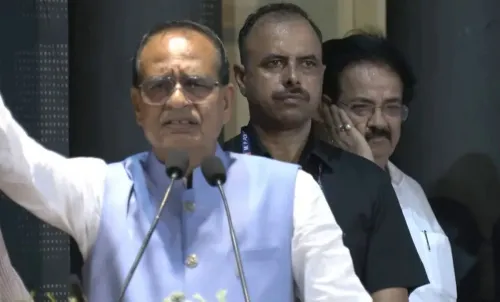
Union Agriculture Minister Shivraj Singh Chouhan marked the fifth anniversary of PM GatiShakti National Master Plan on 13 October 2026, crediting the scheme for integrating India's transport network across roads, railways, ports and airports under PM Modi's leadership.
Key Takeaways
PM GatiShakti National Master Plan was launched by PM Narendra Modi on 13 October 2021 — Tuesday marked exactly five years since inception.
The plan uses a shared geospatial platform to coordinate infrastructure planning across over a dozen central ministries and all state governments simultaneously.
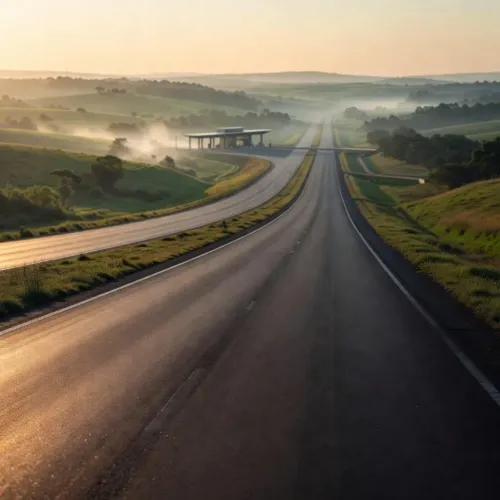
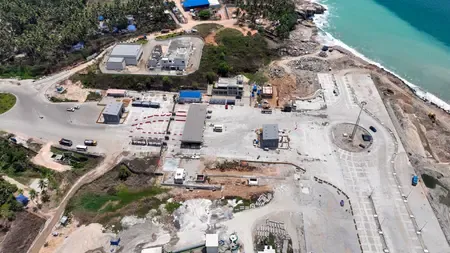
The scheme spans expressways, Vande Bharat rail, seaports and airports , aiming to create a seamlessly integrated transport network.
Key goals include reducing logistics costs , saving project time and money, and improving inter-ministerial coordination.
Chouhan explicitly tied the anniversary to the Viksit Bharat 2047 vision of developed-nation status by India's centenary of independence.
Specific five-year cost-saving and timeline data are expected in future Union Budget documents and NITI Aayog reviews.
Five years after Prime Minister Narendra Modi launched it on 13 October 2021, the PM GatiShakti National Master Plan is being celebrated as the backbone of India's infrastructure push — a single digital platform designed to end the silo-by-silo planning that had long slowed the country's roads, rails, ports and airports. Union Agriculture Minister Shivraj Singh Chouhan marked the anniversary on Tuesday, 13 October 2026, hailing the scheme as a decisive shift in how India builds.
Chouhan's post, shared in Hindi, captured the ambition succinctly: 'पीएम गतिशक्ति के 5 वर्ष, विकास को नई गति, भारत को नई शक्ति!' — 'Five years of PM GatiShakti: new momentum for development, new strength for India!' From expressways to Vande Bharat trains, from seaports to airports, he argued that the plan has knit India's transport network into something more coherent than the sum of its parts.
What PM GatiShakti actually does — and why it was built
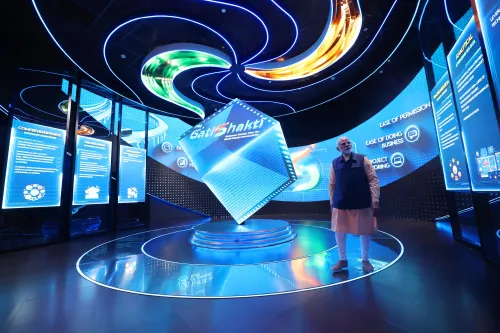
Before GatiShakti, infrastructure ministries largely planned in isolation — a highway would reach a port, only for the rail link to arrive years later, or a new airport would open without road access. The National Master Plan created a shared geospatial platform that lets over a dozen central ministries and all state governments see each other's projects in real time, enabling coordinated approvals and removing redundant work. The pitch, from day one, has been straightforward: better coordination means faster delivery and lower costs.
The scheme sits within a broader philosophy the Modi government has pursued since 2014 — treating logistics cost reduction as a competitiveness lever for Indian manufacturing and exports. India's logistics costs have historically been estimated at a significantly higher share of GDP than global benchmarks, a gap the government argues GatiShakti directly addresses by eliminating delays caused by poor inter-agency alignment.
The Viksit Bharat thread running through the anniversary
Chouhan explicitly linked the five-year milestone to the Viksit Bharat (Developed India) vision — the government's overarching target of reaching developed-nation status by 2047, the centenary of independence. Infrastructure is the load-bearing pillar of that ambition: without faster, cheaper movement of goods and people, the manufacturing and services growth needed to cross the income threshold becomes structurally harder. GatiShakti is, in that sense, not just a planning tool — it is a declaration of intent about the kind of economy India wants to be.
The scheme has drawn sustained attention from infrastructure developers and logistics operators who watch Union Budget allocations and NITI Aayog reviews for evidence of whether project timelines are actually compressing. Those data points — specific cost savings and schedule improvements across the project pipeline — will be the real test of the platform's five-year record.
Five years in, the question is no longer whether the architecture exists. It is whether the numbers, when they arrive, match the energy of the anniversary posts.
Point of View
Whose portfolio sits in agriculture and rural development rather than transport, the post signals broader alignment with the Modi government's flagship reform agenda rather than a sector-specific announcement. The Viksit Bharat framing is deliberate: it ties a mid-tenure planning tool to a 2047 destination, making near-term project delays harder to frame as systemic failures. The real accountability test comes when independent reviews quantify how much logistics costs have actually fallen.
NationPress
13 Oct 2026
Frequently Asked Questions
What is PM GatiShakti National Master Plan?
PM GatiShakti National Master Plan is a geospatial digital platform launched by Prime Minister Narendra Modi on 13 October 2021 to coordinate infrastructure planning across roads, railways, ports and airports under a single inter-ministerial framework.
When was PM GatiShakti launched?
PM GatiShakti was launched on 13 October 2021, making October 2026 its fifth anniversary.
What is the connection between PM GatiShakti and Viksit Bharat?
The government positions PM GatiShakti as a foundational infrastructure tool for achieving Viksit Bharat — the vision of India becoming a developed nation by 2047 — by lowering logistics costs and accelerating project delivery.
Why did Shivraj Singh Chouhan post about PM GatiShakti?
As a senior BJP leader and Union Minister, Chouhan marked the scheme's fifth anniversary on 13 October 2026, underscoring the ruling party's infrastructure record under PM Modi.
How does PM GatiShakti reduce infrastructure project costs?
By giving all ministries and state governments real-time visibility of each other's projects on a shared geospatial platform, GatiShakti reduces duplicated work, speeds up approvals and prevents costly coordination failures between road, rail, port and airport projects.