Shivraj Singh Chouhan Hails India's Infrastructure Leap Under Modi
Synopsis
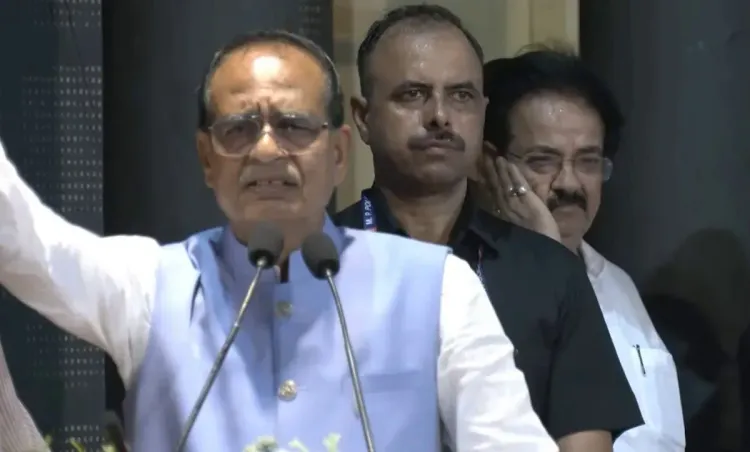
Union Agriculture Minister Shivraj Singh Chouhan on 17 June 2026 praised PM Narendra Modi's infrastructure record, citing national highways, near-complete rail electrification, Vande Bharat Express, and the Atal Tunnel as proof of India's development transformation.
Key Takeaways
Shivraj Singh Chouhan posted on X on 17 June 2026 crediting PM Narendra Modi 's leadership for India's infrastructure transformation.
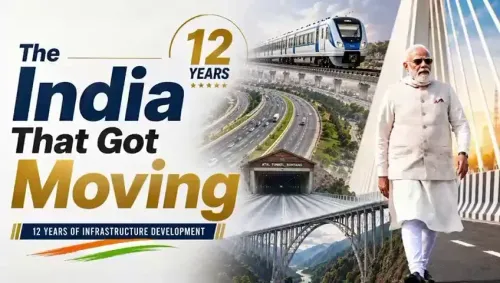
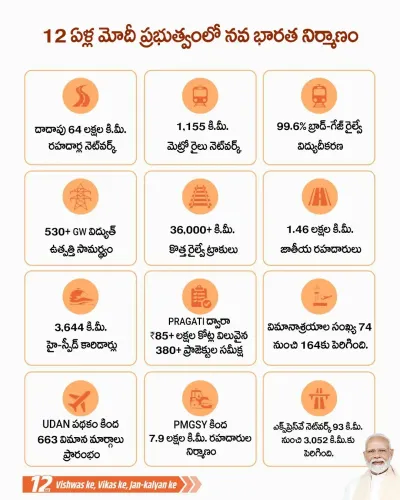
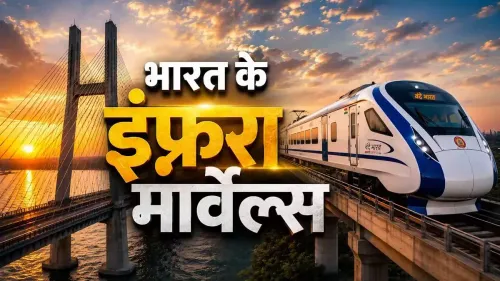
He specifically named national highways, roads, bridges, near- 100% rail electrification , Vande Bharat Express , and the Atal Tunnel as key achievements.
The Atal Tunnel is a 9.02 km highway tunnel under Rohtang Pass in Himachal Pradesh , inaugurated in October 2020 .
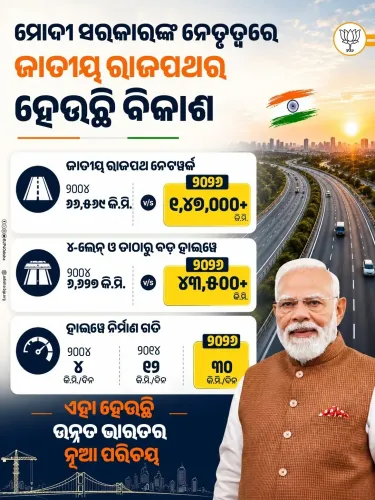
Bharatmala Pariyojana , launched in 2015 , underpins the national highway expansion the minister referenced.
The PM Gati Shakti National Master Plan provides the overarching integration framework for India's multi-modal infrastructure push.
Remaining Bharatmala phases and Dedicated Freight Corridor completion timelines will be the next key milestones to watch.
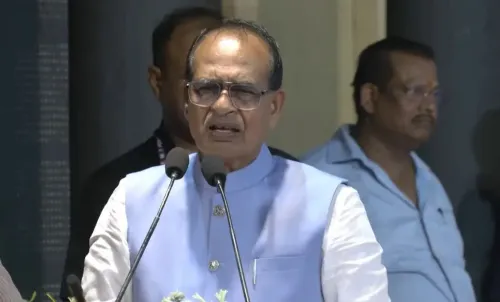
Union Agriculture Minister Shivraj Singh Chouhan on Wednesday, 17 June 2026 credited Prime Minister Narendra Modi's leadership for what he described as a transformative wave of infrastructure development sweeping the country, pointing to national highways, bridges, near-complete rail electrification, the Vande Bharat Express, and the Atal Tunnel as evidence of India's changing face.
Context
Posting in Hindi on X, Chouhan wrote: 'आदरणीय प्रधानमंत्री श्री @narendramodi जी के नेतृत्व में आज देश में विकास की गंगा बह रही है' — 'Under the leadership of respected Prime Minister Shri Narendra Modi, the Ganga of development is flowing across the country today.' He went on to list national highways, roads, bridges, near-100% rail electrification, Vande Bharat trains, and the Atal Tunnel as concrete markers of this transformation. The post was accompanied by a video.
The statement comes as the BJP-led central government continues to foreground infrastructure spending as a defining achievement of the Modi era, with successive Union Budgets allocating record capital expenditure to roads and railways.
Policy Backdrop
The infrastructure push Chouhan references draws on several flagship programmes. Bharatmala Pariyojana, launched in 2015, set out to construct and upgrade national highways and inter-corridor bridges across the country, and remains one of the largest road-sector programmes in India's history. Parallel to this, Indian Railways has pursued an ambitious broad-gauge electrification drive since the mid-2010s, with the stated goal of reaching full electrification of the network.
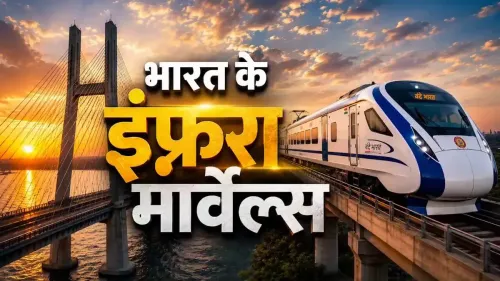
The Vande Bharat Express, a semi-high-speed train first introduced in 2019, has since been expanded to multiple routes and successive generations of rolling stock as part of a broader modernisation of passenger services. The Atal Tunnel — a 9.02 km highway tunnel beneath the Rohtang Pass in Himachal Pradesh, inaugurated in October 2020 — is frequently cited by the government as a symbol of connectivity delivered to remote, strategically sensitive terrain. The broader PM Gati Shakti National Master Plan framework has since sought to integrate these various infrastructure strands under a unified planning architecture.
Stakeholders and Impact
The beneficiaries of the infrastructure expansion span a wide cross-section: road users and freight operators who depend on upgraded national highways, rail passengers who gain from electrified, faster, and more reliable services, and residents of remote regions — particularly in the Himalayan belt — who gain year-round connectivity through tunnels such as the Atal Tunnel. Improved logistics infrastructure also carries downstream implications for agricultural supply chains, a domain that falls directly under Chouhan's own ministerial portfolio.
For the BJP, infrastructure delivery has served as a key electoral and governance narrative since 2014, and senior leaders regularly amplify project milestones on social media to reinforce this messaging with the party's base.
What's Next
Attention in the coming months is likely to focus on the remaining phases of Bharatmala and the completion timelines for the Dedicated Freight Corridor network, both of which have faced execution delays. Progress on these fronts will be a key test of whether the government's capital expenditure commitments translate into the on-ground connectivity gains that ministers including Chouhan are publicly championing.
Point of View
Particularly ahead of state electoral cycles. By invoking the Atal Tunnel and Vande Bharat alongside highways and rail electrification, the minister is drawing on a curated set of high-visibility projects that cut across regions and voter segments. Notably, the post comes from the Agriculture Minister rather than the Transport or Railways portfolio, signalling a party-wide communication discipline where every senior leader reinforces the same development arc. The broader implication is that infrastructure delivery has become the BJP's primary rebuttal to opposition critiques on economic governance.
NationPress
16 Sept 2026
Frequently Asked Questions
What did Shivraj Singh Chouhan say about India's infrastructure on 17 June 2026?
He praised PM Narendra Modi's leadership for driving a wave of development, citing national highways, roads, bridges, near-100% rail electrification, Vande Bharat Express trains, and the Atal Tunnel as evidence of India's transformation.
What is the Atal Tunnel that Shivraj Singh Chouhan mentioned?
The Atal Tunnel is a 9.02 km highway tunnel beneath the Rohtang Pass in Himachal Pradesh, inaugurated in October 2020. It provides year-round road connectivity to the Lahaul-Spiti valley, which was previously cut off by snow for months each year.
What is Bharatmala Pariyojana and how does it relate to India's highway expansion?
Bharatmala Pariyojana is a central government programme launched in 2015 to build and upgrade national highways, economic corridors, and bridges across India. It is one of the largest road-sector initiatives in the country's history and underpins much of the highway expansion the government has highlighted since 2014.
What is the current status of Indian Railways electrification?
Indian Railways has been pursuing full broad-gauge electrification since the mid-2010s, with the government citing near-100% completion as a key milestone. The exact status as of June 2026 is subject to official railway board data.
What is the Vande Bharat Express?
Vande Bharat Express is a semi-high-speed train service first launched in 2019 under Indian Railways' modernisation programme. Multiple new routes and upgraded versions of the train have been introduced since its debut.