CM Bhajan Lal hails 12 years of Modi's infra push
Synopsis
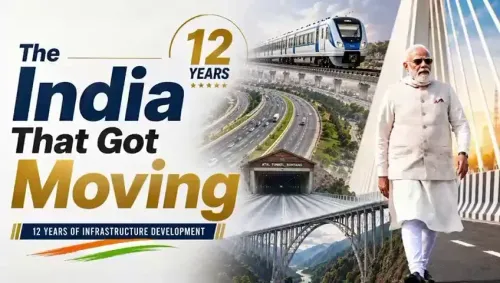
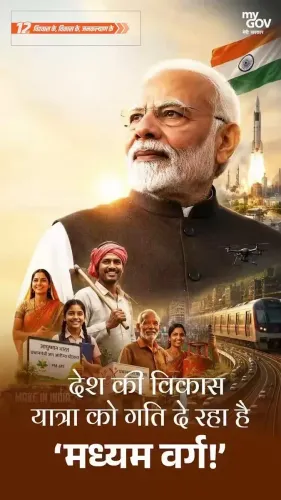
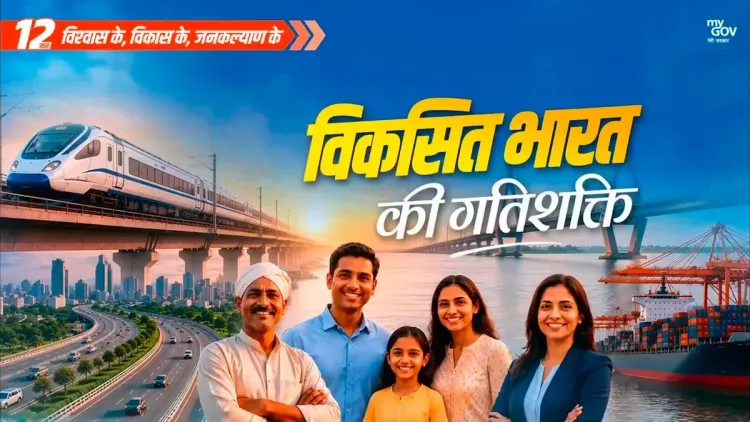
Rajasthan CM Bhajan Lal Sharma on 16 June 2026 praised PM Modi's 12-year infrastructure record, highlighting Vande Bharat trains, expressways, airports, and digital connectivity as pillars of the Viksit Bharat vision under #12YearsOfNayaBharatNirman.
Key Takeaways
Rajasthan CM Bhajan Lal Sharma posted on X on 16 June 2026 crediting PM Narendra Modi with 12 years of infrastructure-led growth.
He cited Vande Bharat Express trains, expressways, airports, and digital connectivity as key achievements.
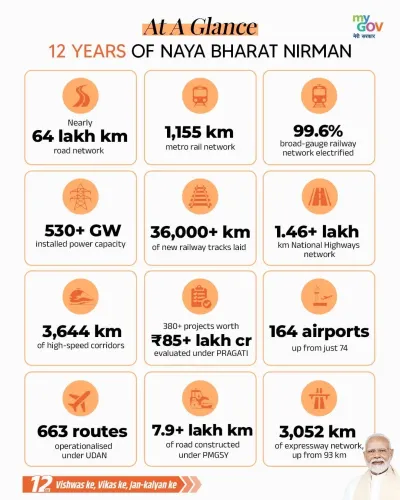
The Bharatmala Pariyojana (approved 2015) targets 34,800 km of national highways; the National Infrastructure Pipeline projected Rs 111 lakh crore in investment.
The UDAN scheme (2016) and Digital India programme (2015) form part of the same multi-modal connectivity push.
The remarks align with the BJP's Viksit Bharat 2047 target of reaching developed-economy status.
State-level infrastructure uptake in Rajasthan and Union Budget allocations for rail and road corridors are the immediate policy markers to watch.
Rajasthan Chief Minister Bhajan Lal Sharma on Tuesday, 16 June 2026 credited Prime Minister Narendra Modi with transforming infrastructure into India's foremost engine of growth over the past 12 years, citing advances ranging from high-speed rail and expressways to airports and digital connectivity. The Chief Minister posted his remarks on X under the hashtag #12YearsOfNayaBharatNirman, marking what BJP leaders have framed as a milestone in the party's governance record.
Context
Sharma's post, written in Hindi, opens with a philosophical assertion — 'Jahan sankalp mazboot ho, wahan siddhi nishchit hoti hai' ('Where resolve is strong, achievement is certain') — before pivoting to a catalogue of infrastructure milestones. He specifically named the Vande Bharat Express trains, expressways, airports, and digital connectivity as symbols of what he called 'New India's growing confidence and the resolve of a developed India.' The remarks align with a coordinated BJP communication effort marking 12 years of the Modi government, which took office in May 2014.
Policy Backdrop
The infrastructure push Sharma references has been underpinned by several flagship programmes. The Bharatmala Pariyojana, approved in 2015, targets the construction of 34,800 km of national highways and expressways to reduce logistics costs and integrate regional markets. Semi-high-speed Vande Bharat train services were introduced from 2019 under Mission Raftaar as part of a broader railway modernisation drive.
On the aviation side, the UDAN (Ude Desh ka Aam Nagrik) scheme, launched in 2016, expanded regional airport connectivity to smaller cities and towns. Simultaneously, the Digital India programme, initiated in 2015, aimed to extend broadband infrastructure and digital services nationwide. These schemes collectively fall under the government's long-term Viksit Bharat vision — a target to reach developed-economy status by 2047.
In 2019, the government announced the National Infrastructure Pipeline with a projected investment of Rs 111 lakh crore over five years, signalling the scale of ambition behind the multi-modal connectivity agenda.
Stakeholders and Impact
The beneficiaries of these programmes span Indian citizens who use faster rail and road networks, private-sector firms that gain from lower logistics costs, and state governments — including Rajasthan — that receive central capital for highway and rail projects passing through their territory. For a geographically large, landlocked state like Rajasthan, expressway and airport connectivity carry particular economic significance by linking its industrial and tourism hubs to national markets.
Sharma's endorsement also reinforces the political message that state BJP leadership and the central government are aligned on the development agenda, particularly as the party seeks to consolidate its governance narrative ahead of future electoral cycles.
What's Next
Analysts and policy watchers will track the pace of state-level adoption of central infrastructure projects within Rajasthan, including progress on highway stretches under Bharatmala and the operationalisation of new airport terminals. Fresh capital allocations for expressways and rail corridors in the forthcoming Union Budget will be closely watched as a measure of whether the momentum Sharma celebrates translates into continued fiscal commitment. The broader Viksit Bharat 2047 framework means infrastructure investment is expected to remain a defining political and policy priority for the BJP at both the central and state levels.
Point of View
Expressways, airports, and digital connectivity in a single breath, he maps the Modi government's infrastructure portfolio onto a unified 'New India' brand — a framing that serves both retrospective credit-claiming and prospective electoral positioning. The hashtag #12YearsOfNayaBharatNirman signals a coordinated party communication exercise rather than a standalone statement, suggesting the BJP intends to sustain this narrative through the political calendar. For Rajasthan specifically, where large-scale highway and airport projects are ongoing, Sharma's alignment with the central agenda also reinforces his administration's dependence on — and enthusiasm for — Union capital flows.
NationPress
19 Sept 2026
Frequently Asked Questions
What did Rajasthan CM Bhajan Lal Sharma say about Modi's infrastructure record?
On 16 June 2026, Sharma posted on X praising PM Modi's 12-year infrastructure push, highlighting Vande Bharat trains, expressways, airports, and digital connectivity as markers of India's development under the #12YearsOfNayaBharatNirman campaign.
What is the Vande Bharat Express and when was it launched?
The Vande Bharat Express is a semi-high-speed train service introduced in 2019 as part of Indian Railways' modernisation under Mission Raftaar, designed to cut travel times on key intercity routes.
What is Bharatmala Pariyojana?
Bharatmala Pariyojana is a central government highway development programme approved in 2015 that targets the construction of 34,800 km of national highways and expressways to reduce logistics costs and improve regional connectivity.
What is the Viksit Bharat 2047 goal?
Viksit Bharat 2047 is the Indian government's long-term target to achieve developed-economy status by the centenary of India's independence, with infrastructure investment identified as a core pillar of that ambition.
What is the National Infrastructure Pipeline announced in 2019?
The National Infrastructure Pipeline is a government initiative announced in 2019 projecting a total investment of Rs 111 lakh crore over five years across sectors including roads, railways, airports, and digital infrastructure.