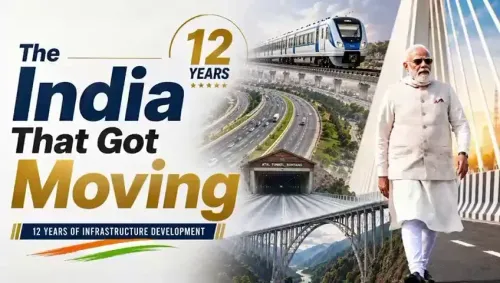
Modi marks 12 years of Naya Bharat Nirman, cites record infrastructure growth
Synopsis
Marking 12 years in office, Modi's infrastructure scorecard is striking on paper — highways nearly doubled, metro networks in 26 cities, ports hitting record cargo, and Vande Bharat trains clocking a 34 per cent ridership jump. The numbers frame a clear pre-election narrative: that connectivity, not welfare, is now the government's signature legacy pitch.
Key Takeaways
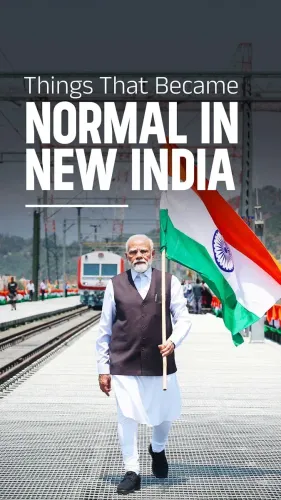
PM Narendra Modi marked 12 years of Naya Bharat Nirman on 16 June , posting on X with the hashtag #12YearsOfNayaBharatNirman .
National Highways expanded from 91,287 km to 1,46,572 km ; construction pace tripled to 34 km per day .
Railway electrification rose from 20% to 99.6% ; 164 Vande Bharat services carried nearly 4 crore passengers in FY26, up 34% year-on-year.
Metro network grew from 248 km in 2014 to 1,155 km in 2026, now covering 26 cities with daily ridership exceeding 1 crore .
Major ports handled a record 915 million tonnes of cargo in FY26 ; inland waterway cargo surged nearly 700% to 145.50 MTPA .
India is now the world's third-largest domestic aviation market , with operational airports rising from 74 to 164 .
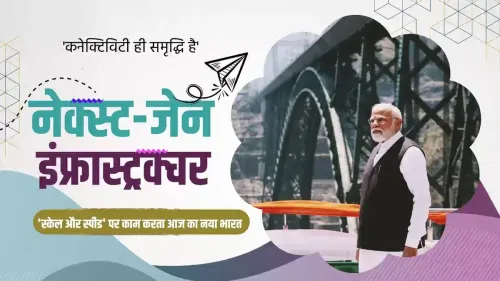
Prime Minister Narendra Modi on Tuesday, 16 June marked 12 years of Naya Bharat Nirman, reaffirming the government's commitment to building next-generation infrastructure as the cornerstone of its Viksit Bharat vision. Modi took to X with the hashtag #12YearsOfNayaBharatNirman, calling the past decade a period of 'record infrastructure upgrading' and pledging continued investment in connectivity across roads, railways, aviation, ports, and urban transit.
What Modi Said
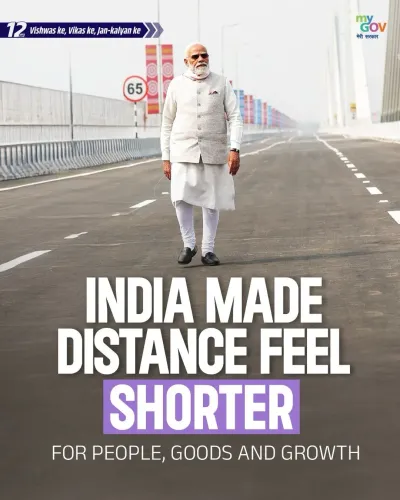
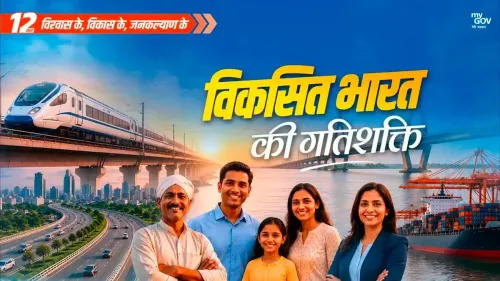
In his post on X, Modi stated: 'The last decade has witnessed record infrastructure upgrading. We are committed to building next-generation infrastructure for the people of our nation to realise our vision of a Viksit Bharat.' He also shared a thread by the official MyGovIndia handle, which detailed sector-by-sector achievements over the 12-year period.
The MyGovIndia post described India's infrastructure transformation as one that has 'accelerated mobility, strengthened logistics, and unlocked new avenues of growth,' adding that 'greater connectivity is not only reducing distances but also expanding opportunities and strengthening the foundations of a more prosperous India.'
Roads and Highways
According to the government data shared in the thread, the length of National Highways has grown from 91,287 km to 1,46,572 km — an addition of more than 55,000 km. The pace of highway construction has nearly tripled, rising from 12 km per day in 2014 to 34 km per day currently, according to official figures.
Railways and Vande Bharat
Broad gauge electrification has surged from 20 per cent in 2014 to 99.6 per cent in 2026, with 69,873 route kilometres of rail tracks electrified and 25 states achieving 100 per cent railway electrification. India is now among the world's largest electrified railway networks, according to the government. Over 1,330 Amrit Bharat stations are being developed and modernised.
Vande Bharat train services have expanded to 164 services across 274 districts, with nearly 4 crore passengers travelling on these trains during FY26 — a 34 per cent annual increase. The newly launched Vande Bharat Sleeper trains have recorded full occupancy and served more than 1.2 lakh passengers within three months of launch.
Urban Metro, Aviation, and Ports
India's metro network has expanded from 248 km in 2014 to 1,155 km in 2026, with metro services now operational in 26 cities compared to just five in 2014. Daily ridership has grown from 28 lakh to over 1 crore commuters.
Under the UDAN scheme, operational airports have increased from 74 to 164, with 663 UDAN routes now connecting 95 airports, heliports, and water aerodromes. India has become the world's third-largest domestic aviation market, according to the government data.
On the maritime front, major ports handled a record 915 million tonnes of cargo in FY26, while average turnaround time was reduced from 96 hours to 49.5 hours. Under the Sagarmala programme, 315 projects have been completed. Nine Indian ports now rank among the world's top 100, and Visakhapatnam Port has entered the world's top 20 container ports. Cargo movement through inland waterways has risen by nearly 700 per cent, reaching 145.50 MTPA in 2025. India has notified 111 National Waterways spanning a network of 20,187 km, with 32 waterways currently operational.
As the government enters what it frames as a second phase of infrastructure-led growth, the scale of ambition signals that connectivity will remain central to its economic and electoral narrative heading into the next cycle.
Point of View
In many cases, verifiable — but the government's own framing conflates outputs with outcomes. More highways do not automatically mean lower logistics costs; more airports do not guarantee affordable fares. The Vande Bharat ridership surge is real, yet capacity on legacy routes remains constrained. What the '12 years' thread does not address is the quality of maintenance, the fiscal cost of capital expenditure crowding out social spending, or the uneven geographic spread of these gains. The narrative is compelling; the accountability framework for what comes next is less so.
NationPress
15 Sept 2026
Frequently Asked Questions
What is '12 years of Naya Bharat Nirman'?
It refers to the Modi government's 12-year infrastructure development record, marked on 16 June 2026 via a social media campaign highlighting achievements in roads, railways, aviation, ports, and urban transit. Prime Minister Modi used the hashtag #12YearsOfNayaBharatNirman on X to share the milestone.
How much have India's National Highways grown since 2014?
National Highways have expanded from 91,287 km in 2014 to 1,46,572 km in 2026, an addition of more than 55,000 km. The daily construction pace has nearly tripled from 12 km to 34 km per day, according to government data.
How many cities now have metro services in India?
Metro services are now operational in 26 cities as of 2026, up from just five cities in 2014. The network has grown from 248 km to 1,155 km, with daily ridership crossing 1 crore commuters.
What is the current status of Vande Bharat trains?
As of FY26, 164 Vande Bharat train services operate across 274 districts, carrying nearly 4 crore passengers — a 34 per cent annual increase. The newly launched Vande Bharat Sleeper variant has served over 1.2 lakh passengers within three months of launch, recording full occupancy.
How has India's port and aviation sector grown in 12 years?
Major ports handled a record 915 million tonnes of cargo in FY26, with turnaround time cut from 96 hours to 49.5 hours. On aviation, operational airports rose from 74 to 164, and India is now the world's third-largest domestic aviation market under the UDAN scheme.