Rijiju Hails 12 Years of Infrastructure Push Powering Viksit Bharat
Synopsis
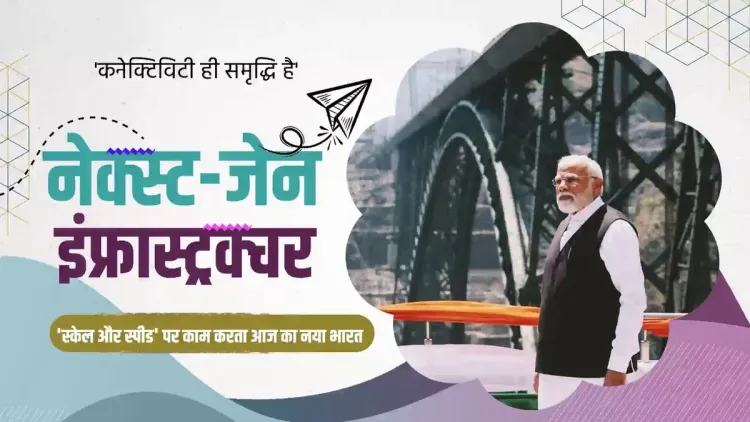
Union Minister Kiren Rijiju marked 12 years of BJP-led infrastructure transformation on June 16, 2026, citing improved mobility and opportunity as pillars of the Viksit Bharat vision, underpinned by Bharatmala, the National Infrastructure Pipeline, and PM Gati Shakti.
Key Takeaways
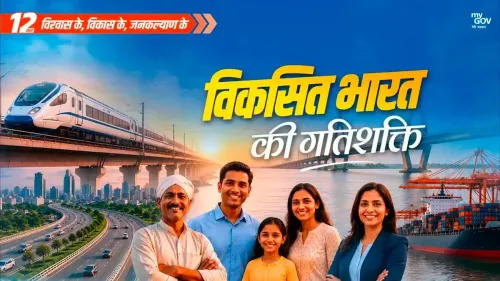
Kiren Rijiju on June 16, 2026 highlighted 12 years of infrastructure-led development under the BJP government as the backbone of a 'connected India'.
Bharatmala Pariyojana (approved 2015 ) targets construction and upgrade of over 34,000 km of national highways.
The National Infrastructure Pipeline ( 2019 ) projected a ₹111 lakh crore outlay through 2025 across roads, railways, ports, and urban networks.
PM Gati Shakti National Master Plan ( 2021 ) integrates multimodal logistics planning to lower freight costs for manufacturers and rural communities.
The campaign is framed under the Viksit Bharat 2047 goal of achieving developed-economy status by India's centenary of Independence.
Parliamentary scrutiny of infrastructure delivery timelines is expected to intensify in the 2026-27 Budget session .
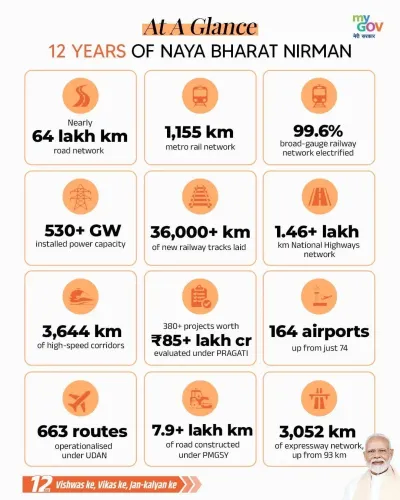
Union Parliamentary Affairs Minister Kiren Rijiju on Tuesday, June 16, 2026, credited twelve years of infrastructure transformation under the BJP-led Central government with expanding mobility and economic opportunity across India, framing the drive as the foundation of a developed nation.
Context
Rijiju's post, tagged #12YearsOfNayaBharatNirman and #ViksitBharat, marks a milestone in the ruling party's public communication campaign reflecting on governance since 2014, when Prime Minister Narendra Modi first took office. The minister described a 'connected India' as the engine powering a 'developed India', pointing to gains in mobility and access to opportunity as the most visible dividends of capital investment in physical and digital networks.
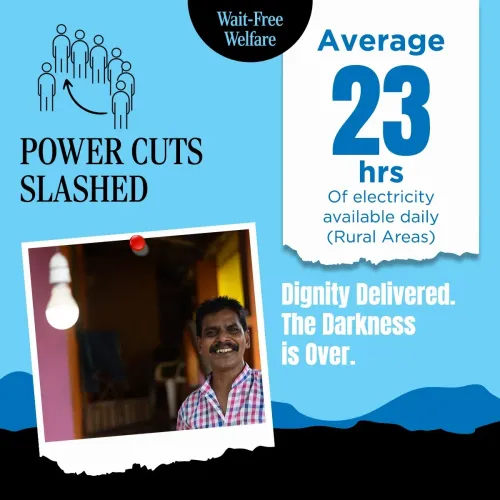
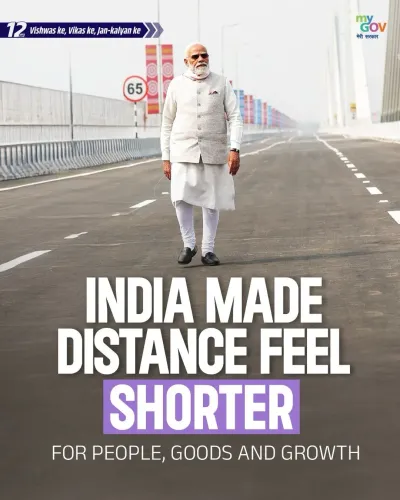
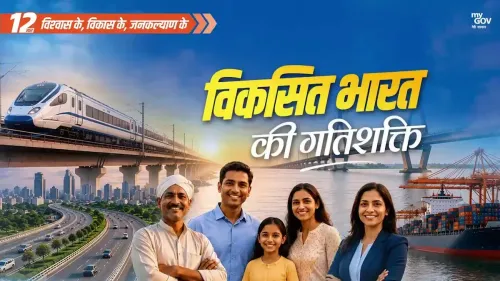
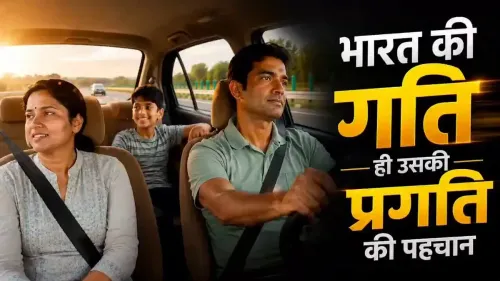
The post accompanies a video — the only media attached — that the government appears to have produced as part of the anniversary campaign, though no specific project figures or completion data were cited in the message itself.
Policy Backdrop
The infrastructure push Rijiju references has been built on several flagship programmes. Bharatmala Pariyojana, approved in 2015, set out to construct and upgrade more than 34,000 km of national highways. The National Infrastructure Pipeline, announced in 2019, projected an outlay of ₹111 lakh crore through 2025 across roads, railways, ports, and urban infrastructure.
In 2021, the government launched the PM Gati Shakti National Master Plan to integrate multimodal logistics planning across ministries, aiming to reduce freight costs and improve last-mile connectivity for manufacturing clusters and rural households alike. Together, these programmes represent a sustained pivot in successive Union Budgets toward capital expenditure over revenue spending.
The broader framework sits within the Atmanirbhar Bharat vision, which links physical connectivity directly with domestic manufacturing competitiveness and export capacity — a logic the government has consistently articulated since the COVID-19 period.
Stakeholders and Impact
The beneficiaries of improved connectivity span a wide spectrum: daily commuters on upgraded national highways, logistics firms facing lower turnaround times, rural households gaining access to markets and healthcare, and manufacturing clusters dependent on reliable freight corridors. India's performance on global logistics and connectivity indices has been a recurring reference point for the government in justifying the scale of capital expenditure.
Peer emerging economies have pursued similar connectivity drives to close infrastructure gaps ahead of demographic transitions, but India's programme is notable for the breadth of its multimodal ambition — integrating road, rail, waterway, and digital layers under a single planning architecture through PM Gati Shakti.
What's Next
Parliamentary scrutiny of infrastructure progress is expected to intensify during the 2026-27 Budget session, with legislators likely to seek updated completion figures on Bharatmala corridors and PM Gati Shakti nodes. The Viksit Bharat 2047 target — India's official aspiration to achieve developed-economy status by the centenary of Independence — means infrastructure delivery timelines will remain a live political and policy benchmark for years ahead. How quickly connectivity gains translate into measurable improvements in logistics costs and rural income levels will determine how durable the political dividend of this campaign proves to be.
Point of View
Timed to an anniversary milestone and designed to consolidate the BJP's infrastructure record as a central electoral and policy credential. By invoking 'Viksit Bharat', the message ties day-to-day connectivity gains to a long-horizon national aspiration, making infrastructure spending feel both tangible and aspirational simultaneously. The framing also pre-empts opposition critiques by anchoring the narrative in outcomes — mobility, opportunity — rather than outlays alone. With the 2026-27 Budget session approaching, such messaging signals that capital expenditure on connectivity will remain a non-negotiable pillar of the government's economic positioning.
NationPress
15 Sept 2026
Frequently Asked Questions
What is the #12YearsOfNayaBharatNirman campaign about?
It is a BJP government communication campaign marking twelve years since 2014, highlighting infrastructure and governance achievements under Prime Minister Narendra Modi, including road, rail, and digital connectivity programmes.
What is Viksit Bharat and when is the target?
Viksit Bharat is India's official vision to become a developed economy by 2047, the centenary of Independence. It has been a recurring theme in government policy communications since 2022.
What is Bharatmala Pariyojana?
Bharatmala Pariyojana is a Central government highway programme approved in 2015 to construct and upgrade more than 34,000 km of national highways, improving freight movement and inter-city connectivity.
What is PM Gati Shakti?
PM Gati Shakti is a National Master Plan launched in 2021 that integrates multimodal logistics planning — covering roads, railways, ports, and digital infrastructure — across Central ministries to reduce logistics costs.
Who is Kiren Rijiju?
Kiren Rijiju is the Union Minister of Parliamentary Affairs and Minority Affairs, a senior BJP leader from Arunachal Pradesh, and a prominent voice in the current Central government.