Khattar Hails 12 Years of Modi Govt Infrastructure Push
Synopsis
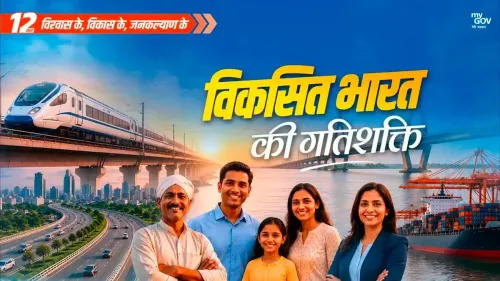
Union Power Minister Manohar Lal Khattar on June 16, 2026 marked 12 years of the Modi government by crediting it with unprecedented infrastructure expansion and reaffirming the administration's resolve to build next-generation infrastructure toward the Viksit Bharat 2047 goal.
Key Takeaways
Union Power Minister Manohar Lal Khattar posted on June 16, 2026 under the hashtag #12YearsOfNayaBharatNirman , marking 12 years of the Modi government.
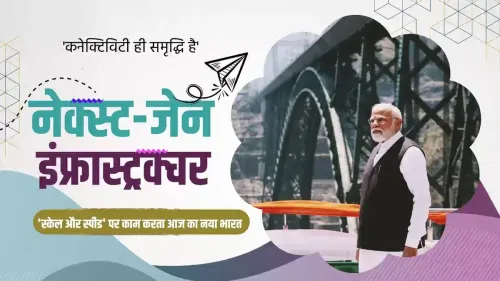
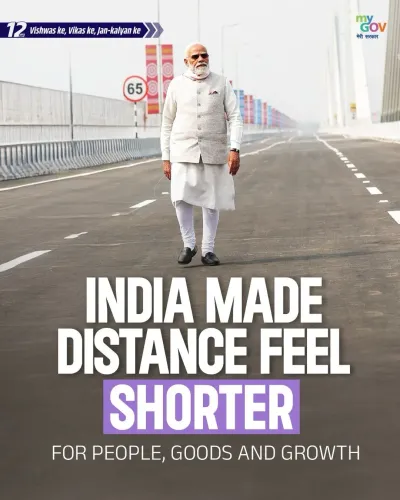
Khattar credited the government with 'unprecedented' infrastructure expansion over the past 12 years under PM Narendra Modi's leadership.
The Modi government is described as 'firmly resolved' to prepare next-generation infrastructure for the Viksit Bharat goal by 2047 .
Key policy instruments behind the push include Bharatmala Pariyojana (2015), the National Infrastructure Pipeline (Rs 111 lakh crore, 2019), and PM Gati Shakti (2021).
Khattar holds the dual portfolio of Power and Housing and Urban Affairs , placing him at the centre of two core infrastructure pillars.
The next Union Budget and parliamentary updates on infrastructure pipeline targets will be key indicators of the government's delivery against its stated ambitions.
Union Power Minister Manohar Lal Khattar on Tuesday, June 16, 2026, credited the Narendra Modi-led government with unprecedented infrastructure expansion over the past 12 years, reaffirming the administration's commitment to building next-generation infrastructure in pursuit of the Viksit Bharat goal.
Context
Posting under the hashtag #12YearsOfNayaBharatNirman (12 Years of New India Building), Khattar wrote that 'under the leadership of the respected Prime Minister, unprecedented work has been done in the direction of advancing infrastructure at a rapid pace over the last 12 years.' He added that the Modi government is 'firmly resolved to prepare next-generation infrastructure to fulfil the goal of Viksit Bharat.'
The post is part of a coordinated ruling-party communication campaign marking 12 years of the BJP-led National Democratic Alliance government at the Centre, which came to power in May 2014. Several union ministers and party leaders have used the hashtag to highlight sectoral achievements.
Policy Backdrop
The infrastructure push Khattar references spans a series of central schemes. The Bharatmala Pariyojana, launched in 2015, targeted the development of national highways and expressways across the country. The National Infrastructure Pipeline, announced in the 2019 Union Budget, projected an investment of Rs 111 lakh crore in central and state projects through 2025.
A significant coordination milestone came in October 2021 with the unveiling of the PM Gati Shakti National Master Plan, which integrated multimodal infrastructure planning across ministries to eliminate siloed project execution. These initiatives collectively reflect a sustained increase in central government capital expenditure on roads, railways, ports, and power — sectors that directly fall under Khattar's ministerial portfolio.
The overarching political and economic target anchoring these programmes is Viksit Bharat by 2047 — the government's stated ambition for India to become a developed nation by the centenary of its independence. Infrastructure investment is positioned as a core enabler of that goal, linking physical connectivity with sustained GDP growth and private-sector participation through public-private partnership models.
Stakeholders and Impact
The constituencies most directly affected by the government's infrastructure trajectory include infrastructure developers and construction firms, state governments that co-implement centrally sponsored schemes, and urban residents who are end-users of roads, transit systems, and housing projects. Khattar's dual mandate — Power and Housing and Urban Affairs — places him at the intersection of energy infrastructure and urban development, two pillars of the Viksit Bharat framework.
Private-sector participation via public-private partnerships has been a consistent feature of the government's infrastructure model, making the policy direction relevant to institutional investors and project developers tracking capital-expenditure pipelines.
What's Next
Attention will now turn to progress reports on ongoing highway and rail corridor projects, as well as any fresh capital outlay announcements in the next Union Budget. Parliamentary discussions on updated National Infrastructure Pipeline targets are also expected to provide a clearer picture of where the government's infrastructure ambitions stand heading into the second half of the decade.
As the ruling party continues its anniversary communication drive, ministerial statements like Khattar's are likely to be followed by sector-specific data releases and project inauguration events designed to give concrete weight to the broader '12 years' narrative.
Point of View
The statement ties short-term political messaging to a long-horizon policy arc, making it harder to fact-check on a single news cycle. The choice of a minister who oversees both power and urban affairs to lead on the infrastructure theme is deliberate: his portfolio spans two of the most visible infrastructure touchpoints for ordinary citizens. Analysts will watch whether these statements are backed by fresh capital-expenditure commitments in the upcoming Union Budget, which will be the real test of the government's infrastructure resolve at the 12-year mark.
NationPress
14 Sept 2026
Frequently Asked Questions
What did Manohar Lal Khattar say about infrastructure on June 16 2026?
Khattar posted on X crediting the Modi government with unprecedented infrastructure development over 12 years and reaffirming its commitment to building next-generation infrastructure for the Viksit Bharat 2047 goal.
What is the Viksit Bharat goal that Khattar mentioned?
Viksit Bharat, meaning 'Developed India', is the Modi government's stated ambition for India to become a fully developed nation by 2047, the centenary of its independence, with infrastructure investment as a core pillar.
What are the main infrastructure schemes launched by the Modi government since 2014?
Key schemes include Bharatmala Pariyojana for national highways (2015), the National Infrastructure Pipeline projecting Rs 111 lakh crore in investment (2019), and PM Gati Shakti National Master Plan for multimodal coordination (2021).
What is the #12YearsOfNayaBharatNirman hashtag about?
It is a coordinated BJP-led government communication campaign marking 12 years of the NDA government in power since May 2014, with ministers and party leaders highlighting sectoral achievements under the tag.
What is Manohar Lal Khattar's current role in the Modi government?
Manohar Lal Khattar is the Union Minister of Power and Housing and Urban Affairs, and is a senior BJP leader and former Chief Minister of Haryana.