CM Samrat Choudhary Hails 12 Years of Modi-Led Infrastructure Growth

Synopsis
Bihar Chief Minister Samrat Choudhary on June 16, 2026 credited PM Narendra Modi's 12-year tenure for transforming India's infrastructure landscape, citing highways, railways, ports, and connectivity projects as markers of a confident, progressing nation under the Viksit Bharat vision.
Key Takeaways
Bihar Chief Minister Samrat Choudhary posted on June 16, 2026 praising 12 years of infrastructure development under PM Narendra Modi .
He highlighted modern highways, railways, ports, and connectivity projects as achievements of the NDA government.
The Bharatmala Pariyojana (launched 2015 ) targets over 34,000 km of national highways to cut logistics costs.
The PM Gati Shakti National Master Plan (launched 2021 ) coordinates multimodal infrastructure planning across central ministries.
The post is tagged #12YearsOfNayaBharatNirman , reflecting a BJP effort to mark a symbolic anniversary of its governance record.
Key beneficiaries include the logistics sector, MSMEs, rural communities, and urban commuters across India.
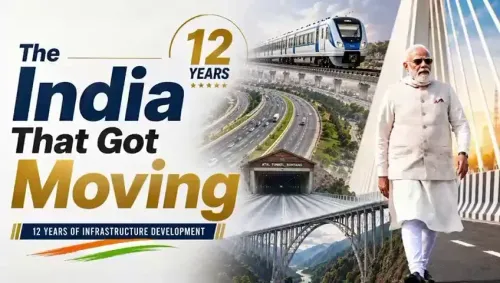
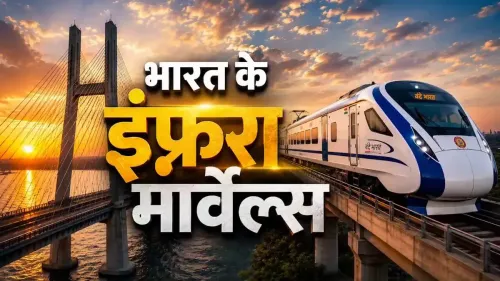
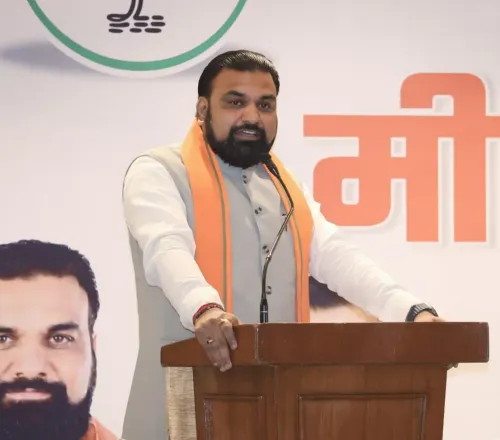
Bihar Chief Minister Samrat Choudhary on Tuesday, June 16, 2026, credited Prime Minister Narendra Modi's leadership for what he described as unprecedented achievements in infrastructure development over the past 12 years, pointing to modern highways, railways, ports, and connectivity projects as evidence of a transformed India.
Context
Choudhary's post, shared under the hashtag #12YearsOfNayaBharatNirman (12 years of building a new India), frames the Modi government's infrastructure record as a fulfilment of the 'Viksit Bharat' (developed India) vision. Translating his remarks, the Chief Minister wrote: 'Under the leadership of respected Prime Minister Shri Narendra Modi, India has achieved unprecedented accomplishments in the field of infrastructure development over the past 12 years.'
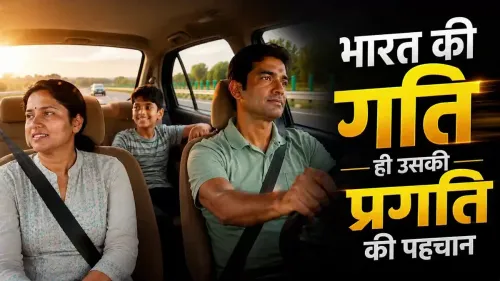
He added that 'modern highways, railways, ports, and connectivity projects are realising the strong resolve of a developed India,' calling the present moment a symbol of 'speed, progress, and self-confidence.'
Policy Backdrop
The post aligns with a cluster of flagship programmes launched after 2014 that reshaped India's infrastructure planning. The Bharatmala Pariyojana, launched in 2015, targets over 34,000 km of national highways to reduce logistics costs and improve inter-regional connectivity.
The PM Gati Shakti National Master Plan, announced in 2021, introduced multimodal integration across ministries, aiming to eliminate siloed planning between road, rail, and port authorities. Alongside these, the Sagarmala initiative — also launched in 2015 — has focused on port modernisation and coastal economic development, while dedicated freight corridors have advanced the modernisation of Indian Railways' freight movement capacity.
Successive Union Budgets under the NDA government have allocated record capital expenditure toward these programmes, anchoring them within the broader Viksit Bharat 2047 framework — the government's long-range goal of making India a developed nation by its centenary of independence.
Stakeholders and Impact
The infrastructure push carries direct implications for multiple segments of the Indian economy. The logistics industry and the MSME sector stand to benefit from reduced freight times and lower transportation costs as highway and freight corridor projects mature.
Rural populations along newly connected corridors gain access to markets, healthcare, and employment opportunities, while urban commuters in cities linked by expressways and metro networks see reduced travel times. Bihar, as a landlocked state with historically underdeveloped infrastructure, has a particular stake in national connectivity investments that link it to industrial and port hubs.
What's Next
Attention will now turn to the next Union Budget and its capital expenditure allocations for ongoing corridor projects, including milestones for high-speed rail and expressway completions. The political timing of Choudhary's post — marking a symbolic 12-year anniversary of the Modi government — suggests the BJP intends to amplify this infrastructure narrative ahead of future electoral cycles.
As the Viksit Bharat 2047 deadline draws closer on the policy calendar, completion benchmarks for projects such as the Eastern and Western Dedicated Freight Corridors and the Mumbai-Ahmedabad high-speed rail link will serve as key tests of the government's infrastructure promises.
Point of View
Railways, and ports together, the messaging deliberately ties tangible, visible infrastructure to the abstract promise of 'Viksit Bharat,' making the development argument concrete for voters. Bihar's own infrastructure deficit gives the Chief Minister a personal political stake in championing central capital expenditure, as improved national connectivity directly affects his state's economic standing. The timing and hashtag coordination suggest a broader, organised BJP communication push rather than a standalone statement.
NationPress
19 Sept 2026
Frequently Asked Questions
What did Bihar CM Samrat Choudhary say about Modi's infrastructure record?
Choudhary credited PM Narendra Modi's 12-year leadership for unprecedented infrastructure achievements, specifically citing modern highways, railways, ports, and connectivity projects as proof of a developing and confident India.
What is the Bharatmala Pariyojana scheme?
Bharatmala Pariyojana is a national highway expansion programme launched in 2015 that targets over 34,000 km of roads to improve inter-regional connectivity and reduce logistics costs across India.
What is PM Gati Shakti?
PM Gati Shakti is a National Master Plan announced in 2021 to integrate infrastructure planning across multiple ministries, enabling coordinated development of roads, railways, ports, and other connectivity assets.
What is Viksit Bharat 2047?
Viksit Bharat 2047 is the Indian government's long-range policy framework aimed at making India a fully developed nation by 2047, the centenary of its independence, with infrastructure investment as a core pillar.
Why is Bihar's infrastructure development significant nationally?
Bihar is a landlocked state with historically limited infrastructure, making national highway and freight corridor investments particularly important for connecting it to industrial centres and ports, benefiting its rural population and MSME sector.