CM Gujarat marks 12 years of Modi-led infra growth
Synopsis
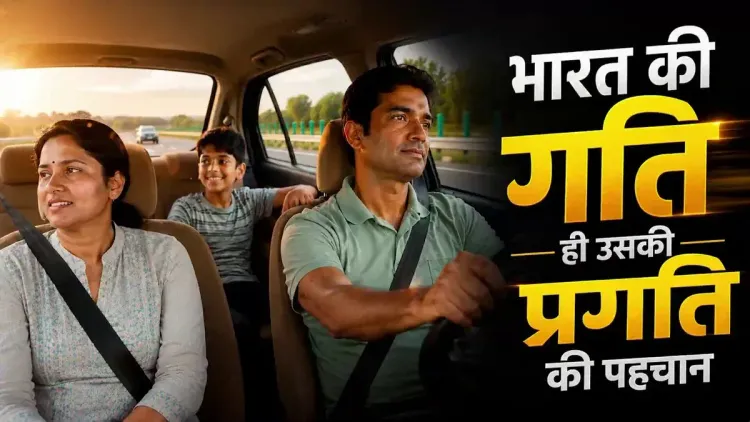
The Chief Minister's Office of Gujarat marked 12 years of PM Narendra Modi's leadership on June 16, 2026, crediting his administration with transforming India's road and rail networks at international scale and speed, and securing last-mile connectivity as part of the Viksit Bharat mission.
Key Takeaways
The Gujarat CMO posted on June 16, 2026 , marking 12 years of PM Modi's leadership with a focus on infrastructure gains.
The post highlights 'unprecedented scale and speed' in road and rail network construction under the Modi government.
Last-mile connectivity is cited as a key achievement, linking remote and rural areas to national transport networks.
Bharatmala Pariyojana (launched 2015) and PM Gati Shakti (launched 2021) are the flagship schemes underpinning these claims.
The post frames these gains as accelerating the pace of Viksit Bharat , the government's vision for a developed India by 2047.
The announcement is part of a coordinated #12YearsOfNayaBharatNirman campaign across BJP-governed states.
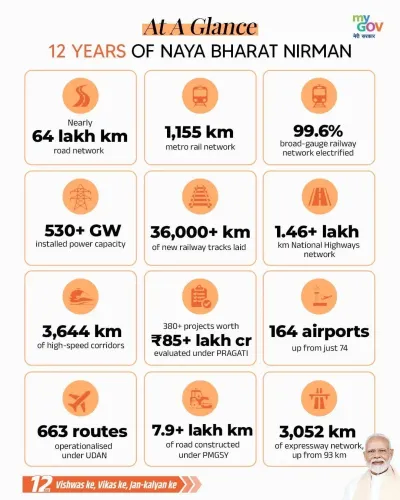
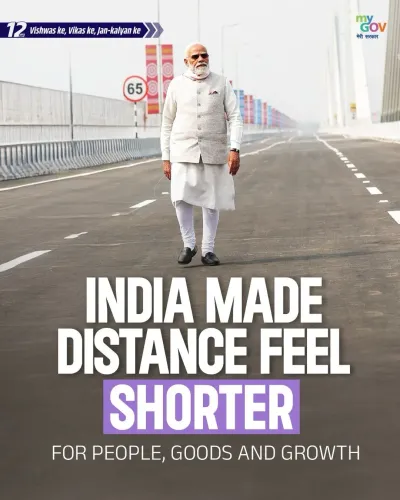
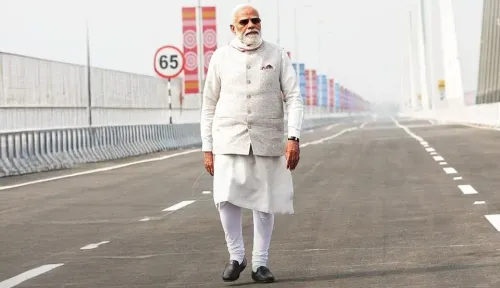
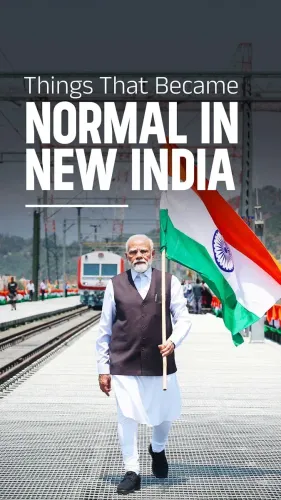
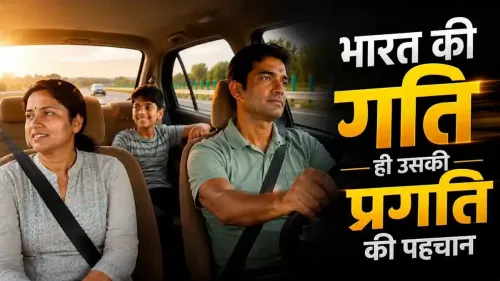
The Chief Minister's Office of Gujarat on Tuesday, June 16, 2026, highlighted twelve years of infrastructure transformation under Prime Minister Narendra Modi, citing unprecedented scale and speed in road and rail network construction, and underscoring the achievement of last-mile connectivity as a cornerstone of the Viksit Bharat (Developed India) mission.
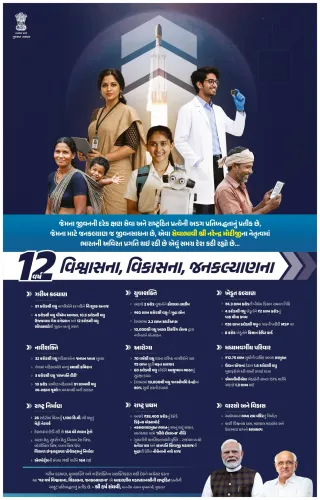
The post, shared under the hashtag #12YearsOfNayaBharatNirman, stated in Gujarati that 'in 12 years of the leadership of honourable Prime Minister Shri Narendra Modi, road and rail networks have been built at an unprecedented scale and speed with international-standard infrastructure, fast-track progress and transformation in the transport sector has ensured last-mile connectivity, and the pace of building a Viksit Bharat has accelerated.'
Context
Prime Minister Modi first took office in May 2014, making June 2026 the twelve-year mark of his administration. The Gujarat CMO's post is part of a coordinated commemoration campaign across BJP-governed states celebrating this milestone under the #12YearsOfNayaBharatNirman banner. Gujarat, as a major manufacturing and port hub, has been frequently positioned as a showcase for infrastructure-led growth under central government programmes.
Policy Backdrop
The infrastructure push referenced in the post draws on several flagship central schemes. Bharatmala Pariyojana, launched in 2015, set out to construct over 80,000 km of highways and expressways across India. The PM Gati Shakti National Master Plan, unveiled in 2021, introduced integrated multi-modal connectivity planning, bringing roads, railways, ports, and logistics nodes onto a single digital platform.
Indian Railways has seen accelerated track electrification, new line commissionings, and progress on Dedicated Freight Corridors since 2014. The National Infrastructure Pipeline, announced in 2019, projected multi-trillion rupee investment in physical infrastructure through 2025, with road and rail commanding the largest share of outlay.
Stakeholders and Impact
Last-mile connectivity — the ability to link villages, small towns, and industrial clusters to trunk road and rail networks — directly benefits rural populations, agricultural supply chains, and logistics companies seeking to reduce freight costs. Analysts have noted that national highway construction pace rose significantly after 2014, though precise post-2023 figures remain subject to official verification.
State governments, particularly in manufacturing-heavy states like Gujarat, have been key implementation partners for both Bharatmala road corridors and rail capacity expansion. Improved connectivity is also cited as a driver of industrial investment and port throughput in the state.
What's Next
Attention will now turn to the Union Budget 2026-27 infrastructure outlays and any new corridor inaugurations expected before the financial year end. Parliamentary updates on project completion rates under Bharatmala and ongoing rail modernisation programmes will serve as the next concrete benchmarks for the claims of transformational progress highlighted in the post. The Viksit Bharat vision targets a fully developed India by 2047, meaning infrastructure delivery timelines over the next two decades will be closely scrutinised.
Point of View
Designed to reinforce the BJP's infrastructure-as-development brand ahead of electoral cycles. By invoking last-mile connectivity — a metric with direct resonance for rural voters — the messaging bridges large-scale capital projects with everyday citizen benefit. The framing under Viksit Bharat 2047 also serves a longer political purpose: anchoring current achievements to a future promise that keeps the developmental arc open. Such coordinated multi-state campaigns signal that the party views infrastructure delivery as its most durable electoral asset.
NationPress
20 Sept 2026
Frequently Asked Questions
What is the #12YearsOfNayaBharatNirman campaign about?
#12YearsOfNayaBharatNirman is a campaign marking 12 years of PM Narendra Modi's government since May 2014, highlighting infrastructure, connectivity and development achievements across India. BJP-governed states including Gujarat have amplified the campaign on social media.
What is Bharatmala Pariyojana?
Bharatmala Pariyojana is a national highway development programme launched in 2015, targeting the construction of over 80,000 km of highways and expressways to improve road connectivity across India.
What does last-mile connectivity mean in the context of Indian infrastructure?
Last-mile connectivity refers to linking villages, small towns, and industrial clusters to major road and rail trunk networks, ensuring that even remote areas are integrated into the national transport grid.
What is PM Gati Shakti?
PM Gati Shakti is a National Master Plan unveiled in 2021 that integrates planning for roads, railways, ports, airports and logistics on a single digital platform to speed up infrastructure delivery and reduce costs.
What is Viksit Bharat and how does it relate to infrastructure?
Viksit Bharat is the Indian government's vision to make India a fully developed nation by 2047. Infrastructure expansion — including roads, railways and last-mile connectivity — is positioned as a foundational pillar of achieving this goal.