CM Samrat Choudhary Hails Youth as India's Biggest Strength
Synopsis
Bihar Chief Minister Samrat Choudhary on 13 June 2026 hailed PM Modi's twelve-year governance record as a turning point for Indian youth, citing the National Education Policy, Startup India, Skill India and Rozgar Melas as pillars of an opportunity-creation drive targeting the country's youngest demographic.
Key Takeaways
Bihar CM Samrat Choudhary posted on 13 June 2026 crediting PM Narendra Modi's twelve-year tenure for empowering Indian youth.
The post was tagged #12YearsOfYuvaShakti , marking the anniversary of Modi's assumption of office in May 2014 .
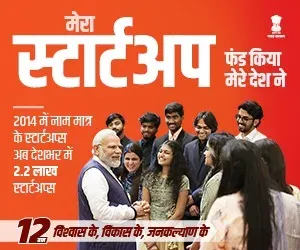
Schemes highlighted include the National Education Policy (2020) , Startup India (2016) , Skill India Mission (2015) and Rozgar Melas (from 2022) .
Expansion of IITs, IIMs and AIIMS campuses after 2014 was cited as part of wider access to premier education.
Bihar , one of India's youngest states by median age, stands to be a key testing ground for the federal youth-policy agenda at the state level.
The statement reflects the BJP's broader narrative of shifting governance from welfare delivery to opportunity creation for the 15–35 age cohort .
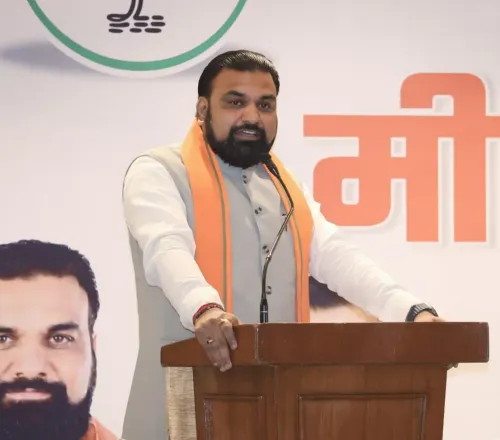
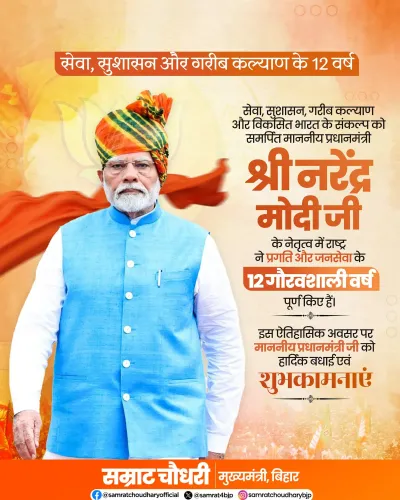
Bihar Chief Minister Samrat Choudhary on Saturday, 13 June 2026, credited Prime Minister Narendra Modi's twelve-year governance record for transforming India's youth into the nation's foremost force, citing landmark investments in education, skill development, startups, innovation, sports and employment.
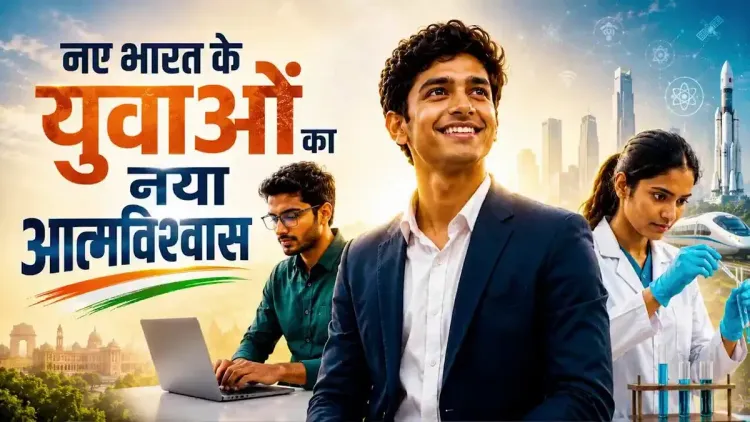
Posting on X, the Chief Minister wrote: 'भारत का युवा नए भारत की सबसे बड़ी ताकत बनकर उभर रहा है' ['India's youth is emerging as the greatest strength of a new India']. He added that 'unprecedented investment over the past 12 years under the leadership of honourable Prime Minister Shri Narendra Modi has given crores of young people's dreams a new flight' across education, skilling, startups, innovation, sports and jobs.
Context
The post, tagged #12YearsOfYuvaShakti, marks twelve years since Narendra Modi assumed office as Prime Minister in May 2014. Choudhary framed the anniversary as a milestone in youth-centric governance, pointing to the National Education Policy (NEP), employment fairs (Rozgar Melas), a maturing startup ecosystem and the expansion of world-class academic institutions as evidence of structural change.
The Chief Minister's statement aligns with a broader BJP communication effort around the party's decade-plus in federal power, spotlighting human-capital programmes as the centrepiece of the Atmanirbhar Bharat vision.
Policy Backdrop
The National Education Policy, introduced in July 2020, replaced a framework dating to 1986, emphasising multidisciplinary learning, vocational training and mother-tongue instruction. It is the most sweeping overhaul of India's education architecture in over three decades.
The Startup India initiative, launched on 16 January 2016, built an entrepreneurship ecosystem through tax incentives, simplified compliance and a fund-of-funds structure. Complementing it, the Skill India Mission, started in 2015, aimed to train hundreds of millions of workers in industry-relevant skills through the National Skill Development Corporation (NSDC) and sector skill councils.
Rozgar Melas, organised from 2022 onward, brought central ministries together to conduct mass recruitment drives, placing appointment letters directly in the hands of selected candidates at public events. Simultaneously, new campuses of IITs, IIMs and AIIMS were approved in successive Union Budgets after 2014, widening access to premier higher education.
Stakeholders and Impact
The primary beneficiaries of the policies cited by Choudhary are Indians in the 15–35 age cohort — a demographic that constitutes a decisive share of the country's electorate and workforce. For Bihar, one of India's most populous and youngest states, the stakes are particularly high: the state has historically sent large numbers of youth to other states for work and education.
State-level adoption of NEP provisions and the pipeline of skill-centre infrastructure in Bihar will determine how much of the federal policy dividend reaches young people on the ground. Observers note that the gap between national scheme design and district-level delivery remains a live challenge in many parts of the state.
What's Next
Attention will now turn to how Bihar integrates NEP provisions into its own school and university calendars, and to the next Union Budget allocations for skill development and startup support. Chief Minister Choudhary's public endorsement of the federal youth agenda also signals the state government's intent to position itself as a proactive partner in the Centre's human-capital drive — a posture likely to shape both policy priorities and political messaging ahead of future electoral cycles.
Point of View
Using the #12YearsOfYuvaShakti hashtag to reinforce the BJP's decade-long rebranding of governance as opportunity creation rather than subsidy distribution. By invoking NEP, Startup India and Skill India together, he draws a coherent policy arc that is difficult to contest on individual scheme merits alone. The messaging is particularly strategic for Bihar, where youth unemployment and out-migration remain sensitive issues — framing the Centre's record as transformative pre-empts opposition narratives on joblessness. Longer term, how faithfully Bihar translates these federal frameworks into district-level outcomes will be the real measure of the rhetoric.
NationPress
29 Jul 2026
Frequently Asked Questions
What did Bihar CM Samrat Choudhary say about Indian youth?
On 13 June 2026, CM Choudhary posted that India's youth is emerging as the nation's greatest strength, crediting PM Modi's twelve-year governance with unprecedented investment in education, skills, startups, innovation, sports and employment.
What is the #12YearsOfYuvaShakti hashtag about?
The hashtag marks twelve years since Narendra Modi became Prime Minister in May 2014, and is used by BJP leaders to highlight youth-centric policy achievements of the central government over that period.
What schemes did CM Choudhary mention in his post?
He referenced the National Education Policy, Rozgar Melas, the Startup India ecosystem and the expansion of world-class educational institutions as key initiatives that have connected young Indians to new opportunities.
What is the National Education Policy and when was it introduced?
The National Education Policy was introduced in July 2020, replacing a framework from 1986. It emphasises multidisciplinary learning, vocational training and instruction in the mother tongue, and is the most significant overhaul of India's education system in over three decades.
How does Bihar fit into India's youth employment and skill development agenda?
Bihar is one of India's most populous and youngest states, making it a critical site for federal youth schemes. State-level adoption of NEP provisions and the build-out of skill infrastructure in Bihar will determine how much of the central government's policy dividend reaches young people there.