CM Samrat Choudhary backs PM Gati Shakti for Bihar growth
Synopsis
Bihar Chief Minister Samrat Choudhary on 13 October 2026 endorsed PM Gati Shakti, India's multi-modal connectivity master plan, calling it a decisive step toward Viksit Bharat and flagging its potential to generate trade and employment across Bihar through coordinated road, rail, air, and digital infrastructure development.
Key Takeaways
Bihar CM Samrat Choudhary publicly backed PM Gati Shakti on 13 October 2026 , reinforcing BJP's infrastructure messaging.
Gati Shakti targets coordinated development across six modes : roads, railways, air routes, metro, ports, and digital networks.
Choudhary specifically linked the scheme to new opportunities in economic progress, trade, and employment for Bihar.
The National Master Plan for Multi-modal Connectivity, launched in October 2021 , uses a GIS platform aligning 16 central ministries .
Choudhary framed the initiative as integral to achieving Atmanirbhar Bharat (self-reliant India).
Bihar, historically constrained by infrastructure deficits, is positioned as a key beneficiary of the scheme's logistics push.
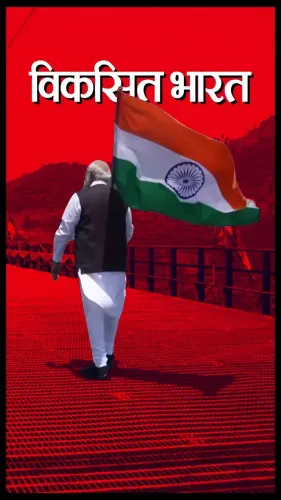
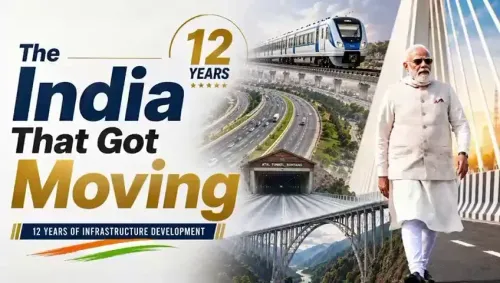
Every road, rail line, airport, and digital cable is a thread — and PM Gati Shakti is the loom weaving them into a single national fabric. On Tuesday, 13 October 2026, Bihar Chief Minister Samrat Choudhary threw his weight behind the Centre's flagship multi-modal connectivity programme, arguing that coordinated infrastructure planning is the surest highway to a Viksit Bharat — a Developed India.
Posting in Hindi on X, CM Choudhary wrote: 'हर क्षेत्र को जोड़ता, विकसित भारत का मार्ग प्रशस्त करता PM गति शक्ति' — 'PM Gati Shakti connects every sector and paves the path to a Developed India.' He highlighted roads, railways, air routes, metro, ports, and digital networks as the six pillars whose samन्वित vikas (coordinated development) is giving connectivity a new velocity across the country.
What Bihar stands to gain from Gati Shakti's network push
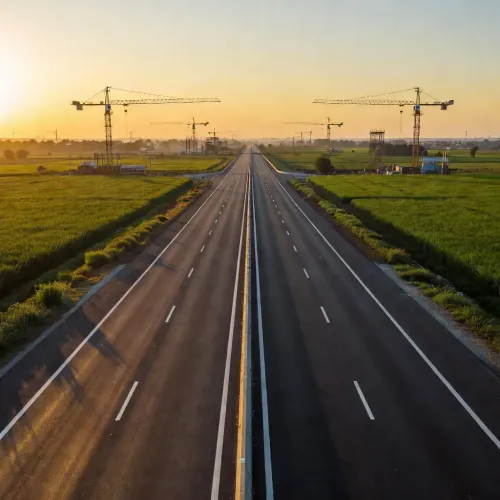
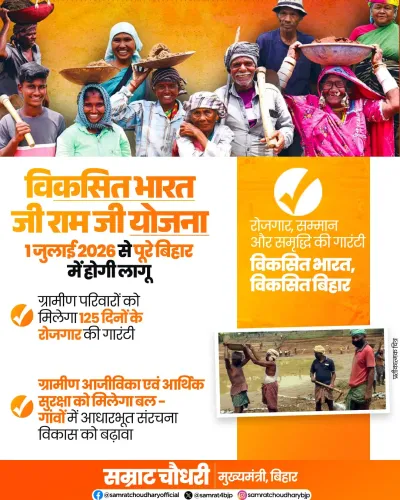
The Chief Minister was pointed about his home state's stake in the initiative. He argued that better road connectivity, rail infrastructure, air services, and logistics development in Bihar are together opening new avenues for economic progress, trade, and employment generation. The framing is deliberate: Bihar, one of India's most populous states, has historically faced infrastructure deficits that constrain both investment and jobs.
By anchoring his message to PM Gati Shakti — the National Master Plan for Multi-modal Connectivity launched in October 2021 — Choudhary is signalling that state-level ambitions are being plugged into a central planning architecture designed to eliminate siloed project approvals. The programme uses a GIS-based digital platform to align the infrastructure pipelines of 16 central ministries, cutting duplication and delay.
Gati Shakti's six-pillar logic and the Atmanirbhar link
CM Choudhary's post closes by calling Gati Shakti 'a powerful step towards Atmanirbhar Bharat' — self-reliant India. The connection is strategic: the programme's core thesis is that infrastructure bottlenecks raise logistics costs, suppress manufacturing competitiveness, and keep supply chains dependent on imports. Coordinated connectivity is, in this reading, an industrial policy tool as much as a public-works programme.
The #PMGatiShakti hashtag accompanying the post places Choudhary's voice inside a wider BJP ecosystem of messaging around the scheme — a reminder that state chief ministers are active amplifiers of central government flagship programmes in the run-up to continued infrastructure budget cycles.
Bihar's infrastructure story is still being written. But if Gati Shakti delivers on its promise of end-to-end coordination, the state's long wait for world-class logistics could finally have a timetable attached to it.
Point of View
Making it an ideal canvas for Gati Shakti's multi-modal coordination pitch. By invoking Atmanirbhar Bharat alongside connectivity, Choudhary ties logistics reform to the broader self-reliance doctrine, reinforcing the BJP's integrated messaging ahead of infrastructure budget discussions. The signal to investors and industrialists is clear: Bihar is aligning its pipeline with a nationally-coordinated architecture, reducing project uncertainty.
NationPress
13 Oct 2026
Frequently Asked Questions
What is PM Gati Shakti and how does it work?
PM Gati Shakti is India's National Master Plan for Multi-modal Connectivity, launched in October 2021. It uses a GIS-based digital platform to coordinate infrastructure projects across 16 central ministries — covering roads, railways, ports, airports, waterways, and digital networks — to eliminate planning silos and reduce logistics costs.
What did Bihar CM Samrat Choudhary say about PM Gati Shakti?
On 13 October 2026, CM Choudhary posted on X that PM Gati Shakti is paving the path to a Developed India by connecting every sector. He specifically highlighted that better road, rail, air, and logistics development in Bihar will create new opportunities for economic progress, trade, and employment.
How will PM Gati Shakti benefit Bihar?
Bihar stands to benefit through improved road connectivity, stronger rail infrastructure, expanded air services, and better logistics networks. These improvements are expected to lower the cost of doing business, attract investment, boost trade, and generate employment in the state.
Who is Samrat Choudhary and what is his political role?
Samrat Choudhary is the Chief Minister of Bihar and a senior leader of the Bharatiya Janata Party (BJP). He has been a prominent voice for infrastructure-led development in Bihar.
What is Viksit Bharat and how is it related to infrastructure?
Viksit Bharat, meaning 'Developed India', is a government vision for India to become a fully developed nation. Infrastructure programmes like PM Gati Shakti are framed as foundational to this goal, as coordinated connectivity reduces logistics costs and drives economic competitiveness.