CM Samrat Choudhary Highlights Amit Shah at First BIMSTEC Home Ministers' Meet
Synopsis
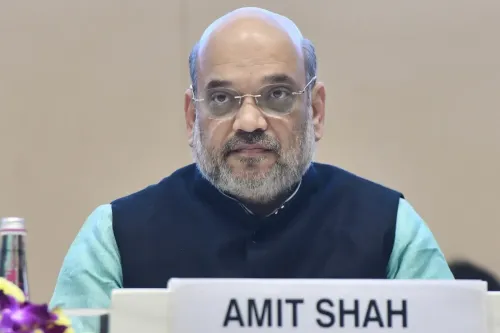
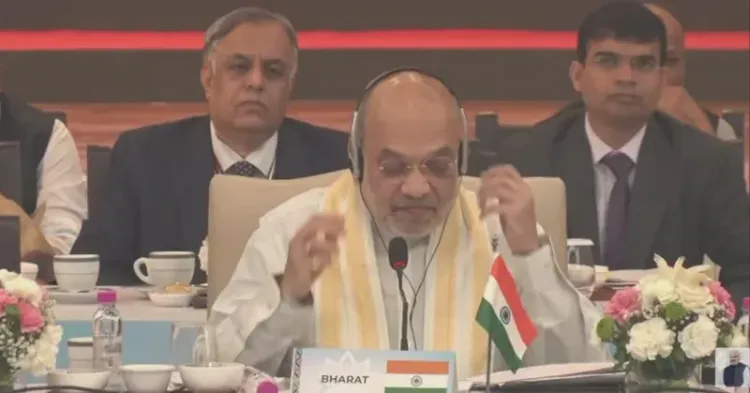
Union Home Minister Amit Shah chaired the first-ever BIMSTEC Home Ministers' Meeting in New Delhi on October 13, 2026, a historic step in regional security cooperation. Bihar CM Samrat Choudhary shared the live event on X, spotlighting India's deepening multilateral security engagement across the Bay of Bengal region.
Key Takeaways
The first-ever BIMSTEC Home Ministers' Meeting was held in New Delhi on October 13, 2026 .
Union Home Minister Amit Shah chaired the landmark conclave of the seven-nation grouping.
BIMSTEC was founded in 1997 and connects over 1.7 billion people across South and Southeast Asia.
Bihar CM Samrat Choudhary broadcast the event live on X, highlighting its significance.
The meeting signals a shift from economic cooperation to active security and border-management dialogue within BIMSTEC.
Bihar's long border with Nepal , a BIMSTEC member, gives the state a direct stake in outcomes from the meeting.
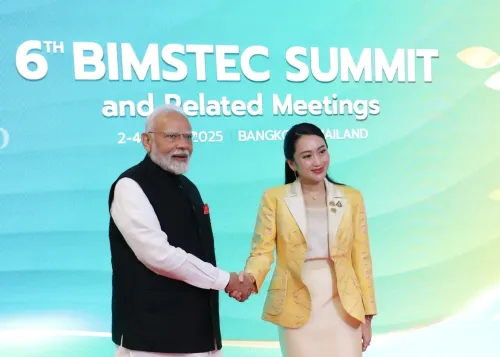
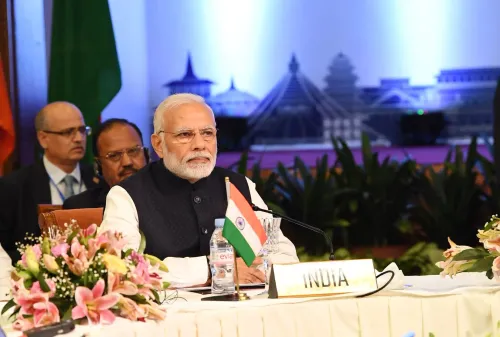
A landmark moment in South and Southeast Asian regional diplomacy unfolded in New Delhi on Tuesday, October 13, 2026, as Union Home Minister Amit Shah presided over the first-ever BIMSTEC Home Ministers' Meeting — a historic gathering that signals a new chapter in multilateral security and cooperation across the Bay of Bengal region. Bihar Chief Minister Samrat Choudhary shared a live broadcast of the event on X, drawing attention to the milestone gathering.
The First BIMSTEC Home Ministers' Meeting Takes Shape
The post, shared live from the event, reads: 'माननीय केंद्रीय गृह मंत्री श्री अमित शाह जी नई दिल्ली में पहली बिम्सटेक गृह मंत्रियों की बैठक में' — 'Honourable Union Home Minister Shri Amit Shah Ji at the first BIMSTEC Home Ministers' Meeting in New Delhi.' The emphasis on 'first-ever' is significant: BIMSTEC, the Bay of Bengal Initiative for Multi-Sectoral Technical and Economic Cooperation, has been an active multilateral grouping since 1997, yet a dedicated Home Ministers' conclave at this level represents a meaningful institutional deepening.
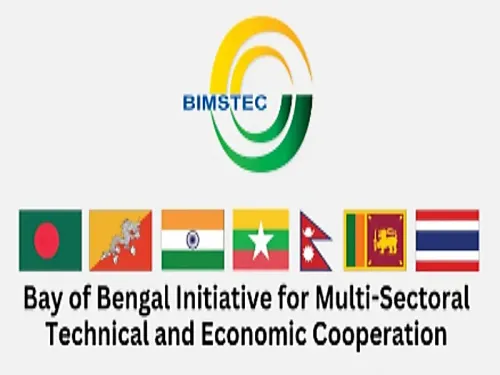
BIMSTEC brings together seven member nations: India, Bangladesh, Myanmar, Sri Lanka, Thailand, Nepal, and Bhutan. The grouping connects a combined population of over 1.7 billion people and spans one of the world's most strategically vital maritime corridors. A Home Ministers' meeting specifically signals that member states are ready to move beyond trade and economics into the harder terrain of security cooperation, counter-terrorism, disaster management, and border coordination.
Why India Is Hosting — and Why It Matters Now
India has consistently positioned itself as the anchor of BIMSTEC, using the grouping as an alternative and complement to SAARC, which has been largely paralysed by India-Pakistan tensions. Hosting the first Home Ministers' conclave in New Delhi underscores that India sees BIMSTEC as the primary vehicle for its 'Neighbourhood First' policy — one where internal security and cross-border coordination are as important as economic connectivity.
Home Minister Amit Shah chairing the meeting carries institutional weight. As the minister who oversees India's internal security architecture, border management, and intelligence coordination, his presence signals that New Delhi is ready to put its most powerful security policymaker at the table for regional dialogue. That is not a symbolic gesture — it is a structural commitment.
CM Choudhary's Signal: Bihar's Stake in Regional Security
That Bihar Chief Minister Samrat Choudhary chose to amplify this event live is itself notable. Bihar shares a long and porous border with Nepal, a BIMSTEC member state, making cross-border security, smuggling, and migration direct state-level concerns. Any deepened cooperation on border management emerging from this meeting would have direct implications for Bihar's administration and law enforcement framework.
The live broadcast format also reflects a broader political communication trend — state leaders aligning visibly with central government diplomacy to signal cohesion within the BJP-led governance ecosystem.
The first BIMSTEC Home Ministers' Meeting may be a single day on a calendar, but the architecture it begins building could define the region's security conversation for decades. New Delhi has opened the door — now the question is how many neighbours walk through it together.
Point of View
Not a ceremonial one: New Delhi is investing its most consequential domestic-security authority in regional multilateralism. For the BJP, this also reinforces the 'Neighbourhood First' doctrine as a deliverable, not just a slogan. CM Choudhary's live amplification reflects how state-level leaders are increasingly woven into the optics of central foreign-policy milestones.
NationPress
13 Oct 2026
Frequently Asked Questions
What is the BIMSTEC Home Ministers' Meeting?
The BIMSTEC Home Ministers' Meeting is a first-of-its-kind conclave of Home or Interior Ministers from BIMSTEC's seven member nations — India, Bangladesh, Myanmar, Sri Lanka, Thailand, Nepal, and Bhutan — focused on security cooperation, counter-terrorism, and border management.
When and where was the first BIMSTEC Home Ministers' Meeting held?
The first BIMSTEC Home Ministers' Meeting was held in New Delhi on October 13, 2026 , chaired by Union Home Minister Amit Shah.
What is BIMSTEC and which countries are members?
BIMSTEC — the Bay of Bengal Initiative for Multi-Sectoral Technical and Economic Cooperation — is a multilateral grouping founded in 1997 comprising India, Bangladesh, Myanmar, Sri Lanka, Thailand, Nepal, and Bhutan.
Why did Bihar CM Samrat Choudhary share the BIMSTEC meeting?
CM Samrat Choudhary shared a live broadcast of the event on X to highlight the significance of the historic meeting. Bihar also shares a border with Nepal, a BIMSTEC member, making regional security cooperation directly relevant to the state.
What does the BIMSTEC Home Ministers' Meeting mean for India?
The meeting deepens India's 'Neighbourhood First' policy by creating a dedicated security dialogue platform within BIMSTEC, moving the grouping beyond trade into counter-terrorism, border management, and disaster cooperation.