Karnataka Cabinet to weigh SC/ST reservation appeal after HC quashes 56% quota
Synopsis
The Karnataka High Court has struck down a six-percentage-point hike in SC and ST reservations — from 50% to 56% — that had been in force across recruitment and education. With the Cabinet now weighing a Supreme Court challenge, the ruling could affect thousands of aspirants selected under the enhanced quotas, and the retrospective-vs-prospective question may define the legal battle ahead.
Key Takeaways
The Karnataka High Court on Monday quashed the state's enhanced SC/ST reservation , rolling back the ceiling from 56 per cent to 50 per cent .
The hike had raised SC quota from 15% to 17% and ST quota from 3% to 7% , introduced by the then BJP government under Basavaraj Bommai .
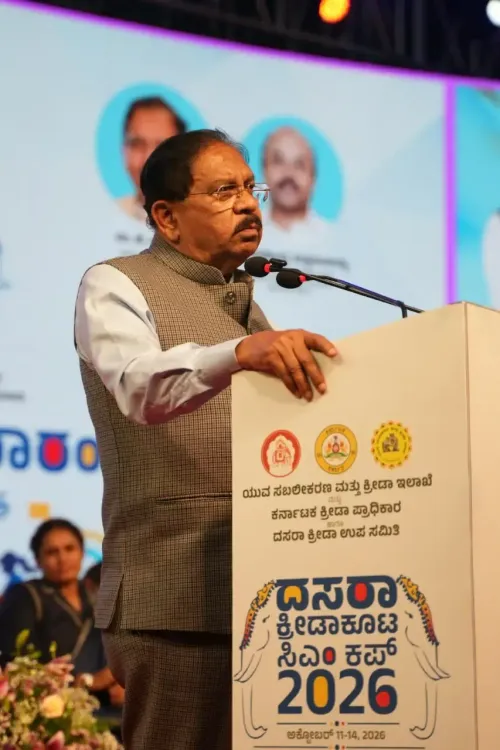
Deputy Chief Minister G.
Parameshwara said the Karnataka Cabinet will decide whether to appeal to the Supreme Court .
A critical legal question is whether the order applies retrospectively or prospectively , which could affect already-completed recruitments.
The government will consult the Advocate General and the Law Department before finalising its legal strategy.
Tamil Nadu 's 69 per cent reservation — backed by a constitutional amendment — was cited by Parameshwara as a precedent for special-case treatment.
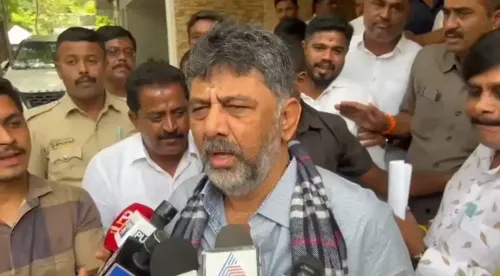
Karnataka's state government is set to decide whether to challenge the Karnataka High Court's order quashing the hike in reservations for Scheduled Castes (SCs) and Scheduled Tribes (STs), Deputy Chief Minister G. Parameshwara said on Tuesday, 13 October 2026 in Bengaluru. The Cabinet will meet to determine whether to appeal to the Supreme Court, he confirmed, adding that any decision must remain within the constitutional framework.
What the High Court Ruled
The Karnataka High Court on Monday quashed enhanced reservation quotas for SCs and STs in educational institutions and state government services. The enhanced quotas had originally been introduced by the then Basavaraj Bommai-led Bharatiya Janata Party (BJP) government, raising the overall reservation ceiling in the state from 50 per cent to 56 per cent. The hike had raised SC quota from 15 per cent to 17 per cent and ST quota from 3 per cent to 7 per cent.
What the Government Said
'The Cabinet will take a decision. Whether we should appeal or not must be decided within the constitutional framework. The Cabinet will make that decision,' Parameshwara told reporters.
He noted that even after the current government assumed power, several recruitment processes had already proceeded under the enhanced quotas. The government had also made representations in support of the hike at the time. Parameshwara said the objective behind the increase was proportional representation of communities in line with the constitutional vision of social justice.
'Why did Babasaheb Ambedkar propose reservation? Why was it incorporated into the Constitution rather than being left to executive orders? It was to ensure justice for people who had been deprived of opportunities for thousands of years,' he said, underscoring the constitutional intent behind affirmative action provisions.
Tamil Nadu Precedent Cited
Parameshwara pointed to Tamil Nadu, which operates under a 69 per cent reservation framework enabled by a constitutional amendment, to argue that Karnataka's comparatively modest six-percentage-point increase could have been considered a special case. 'I personally feel that increasing reservation by just six percentage points in our state could also have been considered as a special case, based on the circumstances. That is my personal opinion, and I feel that the decision is not appropriate,' he said, making clear this reflected his individual view rather than an official government position.
Retrospective vs Prospective Impact
A key concern flagged by the Deputy Chief Minister is whether the court order will apply retrospectively or prospectively — a distinction that could affect students and job aspirants who were selected under the enhanced quota framework. 'We need to determine whether the order will apply retrospectively or prospectively. All these aspects must be discussed,' he said.
He also noted that the 17 per cent SC allocation had been sub-divided across categories, including allocations of 6 per cent, 5 per cent, and 2 per cent. Any revision to these internal allocations could be made proportionately, he added. The government will consult the Advocate General and the Law Department before finalising its legal approach.
Political Response and Next Steps
The BJP has criticised the state government over the court order. Parameshwara responded by saying the government must respect judicial decisions and cannot influence the judiciary, while retaining the option to challenge the order through appropriate legal channels. The Cabinet's decision on a potential Supreme Court appeal is expected in the coming days, with the government simultaneously examining the broader implications for ongoing and future recruitment processes.
Point of View
Yet the current administration backed it through recruitments and representations, making opposition optics complicated. The retrospective-versus-prospective question is the sharpest legal edge — thousands of candidates hired or enrolled under the 56% framework could see their status destabilised if the court order is read backward. Parameshwara's invocation of Tamil Nadu's 69% precedent is constitutionally significant but legally thin without a matching amendment route; the Supreme Court has repeatedly held that the 50% ceiling is a rule, not a suggestion, absent extraordinary circumstances. The real test is whether Karnataka can construct a data-driven case on population-proportionate representation compelling enough to clear that bar.
NationPress
13 Oct 2026
Frequently Asked Questions
What did the Karnataka High Court rule on SC/ST reservations?
The Karnataka High Court quashed the enhanced reservation quotas for Scheduled Castes and Scheduled Tribes in educational institutions and state government services, reversing a hike that had raised the overall reservation ceiling from 50 per cent to 56 per cent. The verdict was delivered on Monday, 12 October 2026.
Who introduced the 56 per cent reservation in Karnataka?
The enhanced reservation was introduced by the then BJP government led by Chief Minister Basavaraj Bommai. It raised the SC quota from 15 per cent to 17 per cent and the ST quota from 3 per cent to 7 per cent, taking the total ceiling to 56 per cent.
Will the Karnataka government appeal to the Supreme Court?
Deputy Chief Minister G. Parameshwara confirmed on 13 October 2026 that the Karnataka Cabinet will decide whether to file an appeal in the Supreme Court. The government is also consulting the Advocate General and the Law Department before finalising its legal approach.
How will the High Court order affect students and job aspirants in Karnataka?
The government is examining whether the order will apply retrospectively or prospectively — a distinction that could determine whether candidates already selected or enrolled under the enhanced 56 per cent quota are affected. Parameshwara said this question must be resolved before any decision is taken.
Why did Karnataka cite Tamil Nadu on the reservation issue?
Deputy Chief Minister Parameshwara pointed to Tamil Nadu's 69 per cent reservation, which is backed by a constitutional amendment, to argue that Karnataka's comparatively smaller six-percentage-point increase could have been treated as a special case. He clarified this was his personal opinion and not an official government position.