BJP Slams Karnataka's Internal Reservation as 'Escape Formula'
Synopsis
Karnataka BJP's R. Ashoka has branded CM Siddaramaiah's internal SC reservation announcement — approved in a 5.25:5.25:4.5 ratio — as a political 'escape formula' that reduces the overall SC quota from 17% to 15% without a court fight, leaving communities worse off despite the historic-sounding Cabinet decision.
Key Takeaways
Karnataka Cabinet approved internal SC reservation on April 25, 2025 in the ratio of 5.25% (left) : 5.25% (right) : 4.5% (others) .
Ashoka called the move an 'escape formula' , alleging it was designed to deflect political pressure rather than deliver real benefits to SC communities.
BJP alleges the SC reservation quantum has been reduced from 17 per cent (BJP era) to 15 per cent under the Congress government without a legal challenge.
CM Siddaramaiah announced the government will fill 56,432 government posts in 2025, with recruitment notifications to be issued soon.
The 50 per cent reservation cap will remain until courts deliver a final verdict; the government aims for 56 per cent reservation in the future.
BJP alleged no consultations were held with 52 caste groups or community and religious leaders before the Cabinet decision.
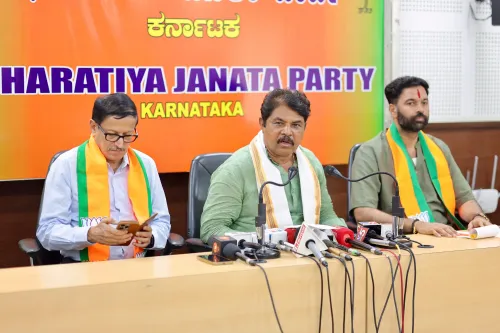
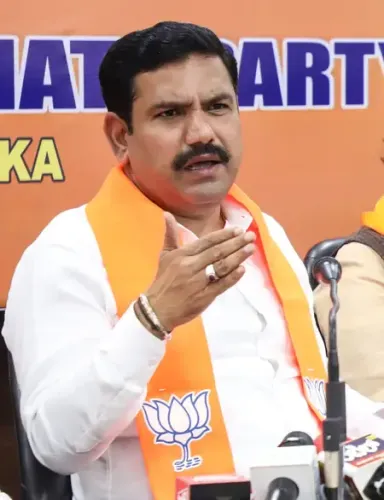
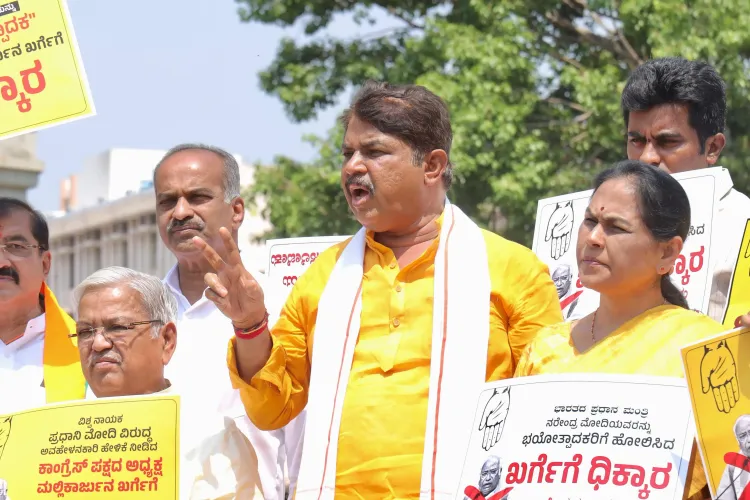
Bengaluru, April 25 (NationPress) — The Karnataka BJP on Friday, April 25 launched a sharp attack on the Congress government over its announcement of long-awaited internal reservation for Scheduled Caste (SC) communities, calling it an 'escape formula' designed to dodge political pressure rather than deliver real justice. Leader of Opposition R. Ashoka alleged that Chief Minister Siddaramaiah has failed to implement internal reservation meaningfully, and that no community stands to genuinely benefit from the decision.
BJP's Core Allegations Against the Congress Government
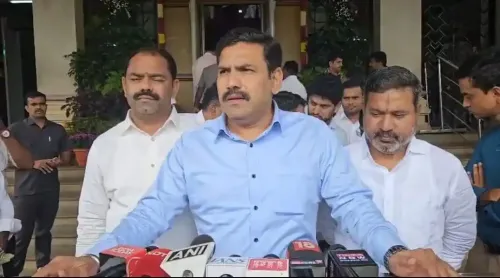
R. Ashoka, speaking to reporters in Bengaluru, accused the Siddaramaiah-led Cabinet of staging the internal reservation announcement purely to escape two simultaneous pressures — protests by unemployed youth demanding government jobs, and sustained demands from SC communities for internal reservation.
Ashoka questioned the reduction of the SC reservation quantum, pointing out that when the Bharatiya Janata Party was in power, it had provided 17 per cent reservation for SC communities. He alleged that the current Congress government has allowed this to shrink to 15 per cent without mounting a legal challenge to defend the higher quota in court.
"Instead of fighting for the 17 per cent in court, the government has simply accepted a reduction — this is injustice to every SC community," Ashoka said, adding that the move amounts to political optics rather than substantive policy.
No Community Consultations, Says Opposition
Ashoka further alleged that the Cabinet decision was taken without consulting representatives from 52 caste groups or engaging with religious heads and community leaders. He argued that a decision of this magnitude — affecting lakhs of SC beneficiaries across Karnataka — warranted broad-based dialogue before finalisation.
"Ministers may come together to protect their chairs, but the people from these communities will continue their struggle for genuine justice," he said, signalling that the BJP intends to keep political pressure alive on this issue.
What the Karnataka Cabinet Actually Decided
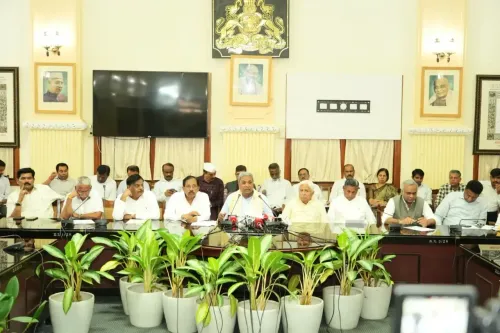
The Karnataka state Cabinet on Friday unanimously approved an internal reservation framework for Scheduled Caste communities in the ratio of 5.25:5.25:4.5 — allocating 5.25 per cent each to left and right SC communities, and 4.5 per cent to other SC sub-groups.
Chief Minister Siddaramaiah announced that the government plans to fill 56,432 government posts this year, as committed in the state Budget. Recruitment notifications will be issued shortly and the process will be expedited, he said.
Siddaramaiah also clarified that the 50 per cent reservation cap will remain in effect until courts deliver a final verdict, but that the government remains committed to implementing 56 per cent reservation in the future once legal hurdles are cleared.
Historical Context and Political Stakes
The demand for internal reservation within the SC quota in Karnataka has been simmering for decades, with communities like the Madiga arguing that dominant SC groups have historically cornered a disproportionate share of reservation benefits. The issue has been politically explosive across southern states, with the Supreme Court having ruled in August 2024 that states have the constitutional right to sub-classify SC and ST reservations — a landmark verdict that gave Karnataka's Congress government the legal cover to act.
Notably, the BJP's own track record on this issue is contested. While Ashoka cites the 17 per cent SC reservation provided during BJP's tenure, critics point out that the party did not implement internal reservation during its multiple stints in power in Karnataka, leaving the sub-classification demand unresolved for years.
This announcement comes ahead of crucial local body elections and amid rising unemployment discontent in Karnataka, making the timing politically significant. The Congress government faces the dual challenge of satisfying SC sub-groups while not alienating dominant SC communities that have traditionally benefited from the unified quota.
Impact on SC Communities and What Comes Next
For lakhs of SC families in Karnataka — particularly from historically marginalised sub-groups — the internal reservation framework could mean improved access to government jobs and educational seats if implemented effectively. However, legal challenges remain a real possibility, with dominant SC groups potentially approaching courts to contest the sub-classification.
The 56,432 government vacancies to be filled this year will serve as the first real test of whether the new ratio translates into tangible outcomes on the ground. All eyes will now be on whether recruitment notifications are issued promptly and whether the sub-classification survives any fresh legal scrutiny.
Point of View
And both sides have a point. The Congress deserves credit for finally acting on a decades-old demand after the Supreme Court's August 2024 sub-classification ruling, but the BJP's charge that the overall SC quota has shrunk from 17 to 15 per cent — without a legal defence — is a substantive accountability question, not mere opposition noise. What's missing from both narratives is a clear commitment to community consultation and transparent implementation timelines. With 56,432 jobs on the line and local elections approaching, Karnataka's SC communities are watching whether this ratio becomes real opportunity or remains a number on paper.
NationPress
9 Oct 2026
Frequently Asked Questions
What is Karnataka's internal SC reservation decision and what is the ratio approved?
The Karnataka Cabinet unanimously approved internal reservation for Scheduled Caste communities on April 25, 2025, in the ratio of 5.25:5.25:4.5 — allocating 5.25% each to left and right SC communities and 4.5% to other SC groups. The decision follows the Supreme Court's August 2024 ruling permitting states to sub-classify SC and ST reservations.
Why is Karnataka BJP calling the internal reservation an 'escape formula'?
BJP Leader of Opposition R. Ashoka alleged that the Congress government announced internal reservation primarily to escape dual political pressure — protests over unemployment and SC community demands — rather than to deliver genuine justice. He also accused the government of reducing SC reservation from 17% to 15% without legally defending the higher quota in court.
Has Karnataka's SC reservation percentage been reduced under the Congress government?
BJP claims that the SC reservation in Karnataka has been reduced from 17 per cent (provided during BJP's tenure) to 15 per cent under the current Congress government. The Congress government has not directly rebutted this figure, though it has stated that the 50% cap imposed by courts remains in effect pending a final verdict.
How many government jobs will Karnataka fill under the new reservation framework?
Chief Minister Siddaramaiah announced that the Karnataka government will fill 56,432 government posts in 2025, as committed in the state Budget. Recruitment notifications are expected to be issued shortly, with the process to be expedited.
What is the background of the internal reservation demand in Karnataka?
The demand for internal reservation within Karnataka's SC quota has been pending for decades, with communities like the Madiga arguing that dominant SC groups have historically captured a disproportionate share of benefits. The Supreme Court's landmark August 2024 ruling, affirming states' right to sub-classify SC/ST reservations, gave the Karnataka government the legal basis to finally act on this long-standing demand.