BJP Threatens Street Protests Over Karnataka Internal Reservation Chaos
Synopsis
Karnataka's internal reservation battle explodes as BJP MP Govind Karjol accuses CM Siddaramaiah of rolling back SC/ST reservation from 17%/7% to 15%/3%, betraying Dalit communities after a 30-year struggle. BJP threatens mass street protests if justice is denied — exposing a dangerous crack in Congress's AHINDA coalition.
Key Takeaways
BJP MP Govind Karjol warned of mass street protests on April 24, 2025 , accusing CM Siddaramaiah of betraying Dalit communities over internal reservation.
The BJP alleges the Congress government voluntarily reverted SC reservation from 17% to 15% and ST reservation from 7% to 3% by filing a court memo, undoing a 2022 law .
Under the previous BJP government , four sub-categories were created distributing SC quotas: 6% Madiga , 5.5% Chalavadi , 4.5% Lambani/Bhovi/Korama/Koracha , and 1% nomadic groups .
Karjol called the formation of a new committee under the Chief Secretary an insult to judges who submitted earlier reports, including Justice Sadashiva and Justice Nagamohan Das .
The demand for internal reservation in Karnataka has been active for over 30 years , with communities arguing dominant SC sub-groups have disproportionately benefited from quotas.
A special Cabinet meeting chaired by CM Siddaramaiah was convened on April 24 to deliberate on the issue amid mounting political pressure.
Bengaluru, April 24: The Karnataka internal reservation debate erupted into a full-blown political crisis on Friday, April 24, as the Bharatiya Janata Party (BJP) issued sharp warnings of mass street protests, accusing Chief Minister Siddaramaiah of sowing communal discord among Dalit communities instead of delivering justice. The confrontation unfolded even as a special Cabinet meeting was convened by CM Siddaramaiah to deliberate on the contentious issue of internal reservation for Scheduled Castes (SC) and Scheduled Tribes (ST) in Karnataka.
BJP's Explosive Allegations Against CM Siddaramaiah
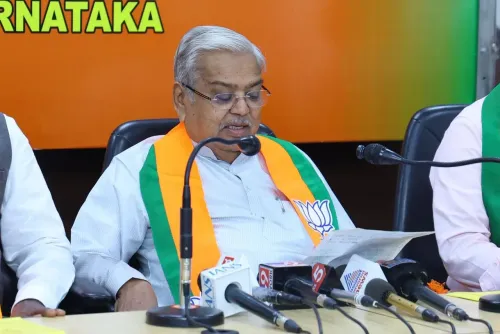
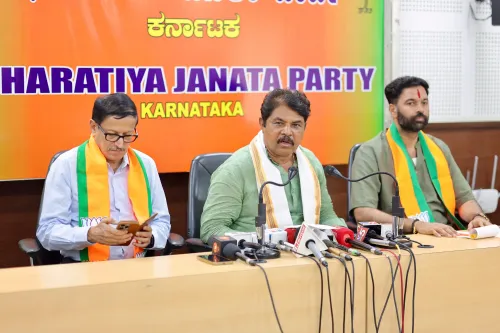
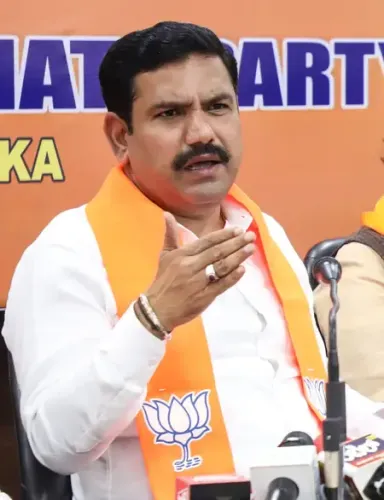
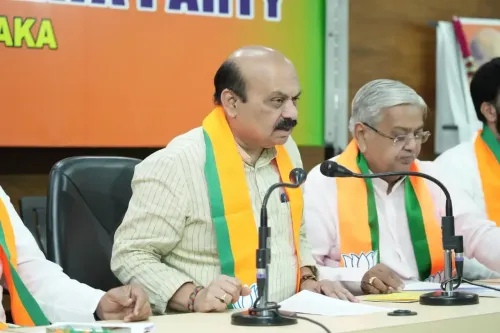
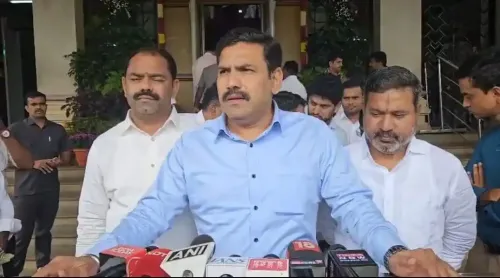
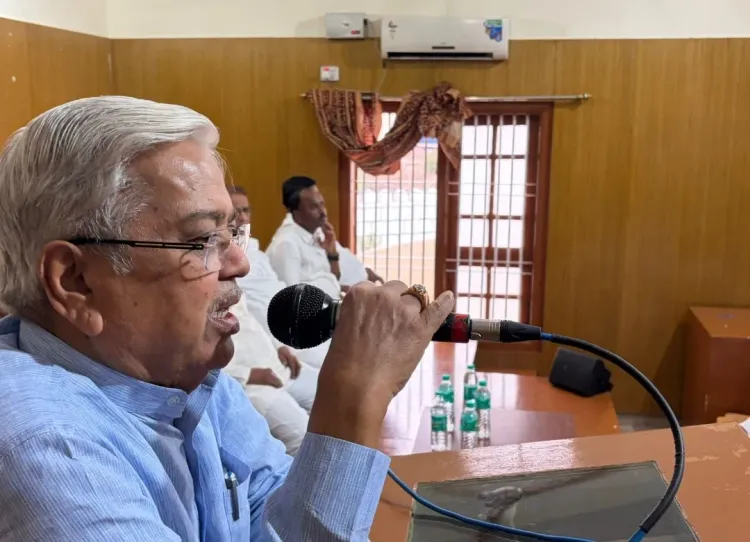
Speaking at the BJP state office in Bengaluru, former Deputy Chief Minister and BJP MP Govind Karjol — one of the most prominent Dalit leaders in Karnataka — launched a blistering attack on the Congress government. Karjol declared that Siddaramaiah is unfit to carry the title of an AHINDA leader (a coalition representing minorities, backward classes, and Dalits) and has systematically betrayed Dalit communities.
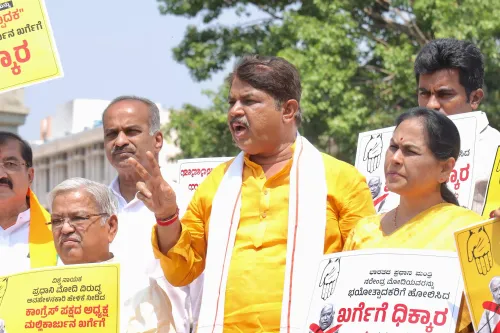
Karjol warned that communities which have waged a 30-year struggle for internal reservation would take to the streets if justice is denied. He demanded the government implement at minimum the recommendations of the Justice Sadashiva Commission, or ensure social justice without creating inequities among any community group.
The BJP reiterated its core demand: implementation of reservation benefits for 101 communities in strict accordance with Supreme Court directions and constitutional values of social justice.
The Reservation Rollback That Sparked the Crisis
At the heart of the controversy is what the BJP calls a deliberate rollback of reservation gains made under the previous government. Karjol detailed that during the tenure of then-Chief Minister Basavaraj Bommai, the BJP government increased SC reservation from 15% to 17% and ST reservation from 3% to 7%, aligning quotas with population proportions.
Under this framework, four categories were established: 6% for Madiga and related communities, 5.5% for Chalavadi and sub-castes, 4.5% for Lambani, Bhovi, Korama, and Koracha communities, and 1% for nomadic groups. This legislation was passed by both Houses of the Karnataka Legislature in 2022, received the Governor's assent, and became law — providing SCs and STs enhanced reservation for four years.
Karjol alleged that after a partial court stay, the Siddaramaiah government filed a memo stating it would abandon the 17% and 7% reservation structure and revert to the 1995 order restoring 15% for SCs and 3% for STs. He stressed that no court had categorically stayed or struck down the enhanced reservation percentages — making the rollback, in BJP's view, a self-inflicted political decision that robbed Dalits of hard-won gains.
The AHINDA Contradiction and Political Hypocrisy
The BJP's sharpest attack targets the political identity that Siddaramaiah has built his career upon. The AHINDA platform — representing minorities, backward communities, and Dalits — has been the ideological cornerstone of his political rise. Karjol argued that by reducing reservation through modifications to court orders, Siddaramaiah has forfeited the moral authority to claim this identity.
This contradiction is politically significant. Siddaramaiah has long positioned himself as the champion of marginalized communities, and the Congress's 2023 Karnataka election victory was built substantially on the AHINDA coalition. If Dalit communities perceive a betrayal on reservation — one of the most tangible policy deliverables — it could fracture a key electoral pillar ahead of future polls.
Karjol also questioned the government's decision to constitute yet another committee under the Chief Secretary to re-examine the reservation issue, calling it an insult to Justice Sadashiva and Justice Nagamohan Das, whose reports already exist. He argued that forming a new committee without accepting or rejecting existing judicial recommendations amounted to deliberate delay and disrespect toward the judiciary.
30 Years of Struggle: Historical Context
The demand for internal reservation within Karnataka's SC and ST categories is not new. Communities like the Madiga have been agitating for nearly three decades, arguing that dominant sub-groups within the SC category — particularly the Holeya community — have historically cornered a disproportionate share of reservation benefits, leaving other communities marginalized within an already marginalized group.
The Justice Sadashiva Commission, appointed during the Congress government itself, had studied this disparity in depth and submitted recommendations for equitable internal distribution. The fact that successive governments — including the current Congress administration — have failed to act decisively on these recommendations has been a source of sustained frustration for affected communities.
Notably, the Supreme Court's April 2024 constitutional bench ruling in the Punjab vs. Davinder Singh case explicitly upheld states' rights to create sub-classifications within SC/ST categories for reservation purposes — lending fresh legal backing to the demand for internal reservation across India, including Karnataka.
What Comes Next: Political and Legal Stakes
The special Cabinet meeting called by CM Siddaramaiah on April 24 signals that the government recognizes the political urgency of the issue. However, any decision will face scrutiny from multiple directions — communities demanding enhanced quotas, legal challenges in courts, and opposition parties watching for political missteps.
If the government fails to produce a credible roadmap for internal reservation, the BJP's threat of street protests — backed by organized Dalit communities with a 30-year mobilization history — could translate into significant political pressure ahead of local body elections and the 2028 Karnataka Assembly elections. The outcome of this Cabinet meeting will be closely watched as a litmus test of the Congress government's commitment to its core Dalit constituency.
Point of View
But reportedly by choice. Siddaramaiah's AHINDA brand, built over decades, now faces its most credible challenge not from the right, but from the very communities it claims to represent. What's missing from mainstream coverage is the Supreme Court's 2024 constitutional bench ruling that explicitly permits internal sub-classification — meaning the legal ground exists for Karnataka to act boldly. The real question is whether the government's serial committee formations are genuine policy deliberation or calculated delay designed to avoid alienating dominant sub-groups within the SC category before elections. Either way, 30 years of Dalit mobilization cannot be managed with another commission report.
NationPress
7 Oct 2026
Frequently Asked Questions
What is the Karnataka internal reservation dispute about?
The Karnataka internal reservation dispute concerns the equitable distribution of SC and ST reservation quotas among sub-communities within those categories. Communities like the Madiga have argued for decades that dominant sub-groups corner most reservation benefits, and are demanding proportional internal allocation as recommended by the Justice Sadashiva Commission.
Why is BJP accusing CM Siddaramaiah of betraying Dalits?
BJP alleges that the Siddaramaiah government filed a court memo reverting SC reservation from 17% to 15% and ST reservation from 7% to 3%, undoing gains made under the previous BJP government. Karjol argues no court ordered this rollback and that the Congress government made this concession voluntarily, amounting to a betrayal of Dalit communities.
What did the BJP government do for SC/ST reservation in Karnataka?
Under Chief Minister Basavaraj Bommai, the BJP government increased SC reservation from 15% to 17% and ST reservation from 3% to 7%, passed by both legislative houses in 2022 and signed into law with the Governor's assent. The law also created four sub-categories distributing quotas among communities including Madiga, Chalavadi, Lambani, and nomadic groups.
What is the Justice Sadashiva Commission and what did it recommend?
The Justice Sadashiva Commission was appointed to study the internal distribution of reservation benefits among SC sub-communities in Karnataka. It submitted recommendations for equitable sub-classification, which BJP's Karjol says the current government is ignoring by forming yet another committee under the Chief Secretary instead of acting on existing reports.
Can Indian states legally create sub-classifications within SC/ST reservations?
Yes. The Supreme Court's constitutional bench ruling in the Punjab vs. Davinder Singh case in April 2024 explicitly upheld states' rights to create sub-classifications within SC and ST categories for reservation purposes. This ruling provides strong legal backing for Karnataka to implement internal reservation if the political will exists.