CM Bhajan Lal hails Modi govt's 12 years of middle-class welfare
Synopsis
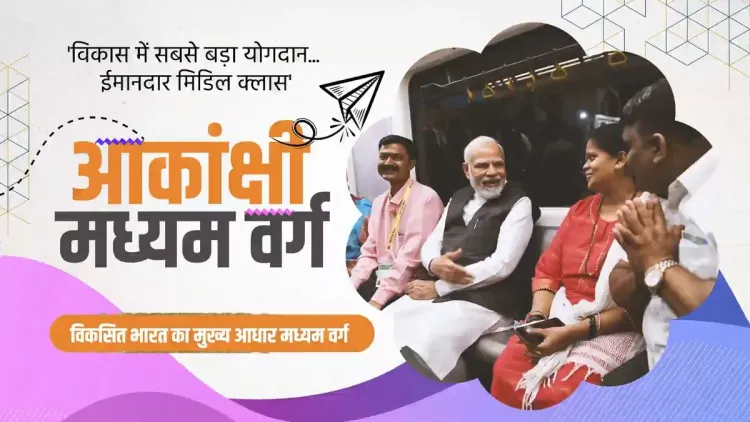
Rajasthan Chief Minister Bhajan Lal Sharma on 15 June 2026 credited PM Modi's 12-year government with empowering middle-class families through housing, health, education and digital schemes, posting under #12YearsOfSakshamMiddleClass as part of a coordinated BJP anniversary campaign.
Key Takeaways
Rajasthan CM Bhajan Lal Sharma posted on 15 June 2026 praising PM Modi's 12-year governance record for the middle class.
The post was tagged #12YearsOfSakshamMiddleClass , part of a coordinated BJP anniversary communication drive.
Schemes cited include Pradhan Mantri Awas Yojana (2015), Digital India (2015) and Ayushman Bharat (2018).
The Direct Benefit Transfer system has been highlighted as a key instrument for routing welfare directly to crores of bank accounts since 2014 .
Middle-class and urban households are identified as the primary beneficiaries of these central government initiatives.
State-level BJP leaders, including Sharma , are amplifying the 12-year anniversary narrative linking Rajasthan's governance to national policy outcomes.
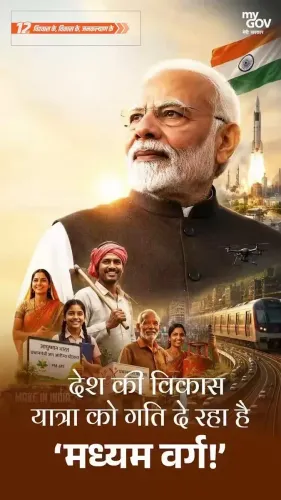
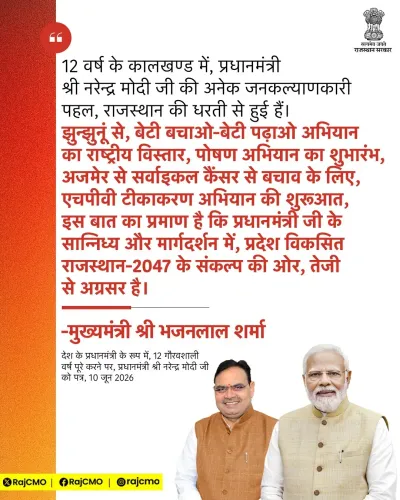
Rajasthan Chief Minister Bhajan Lal Sharma on Monday, 15 June 2026, credited Prime Minister Narendra Modi's government with transforming the lives of middle-class families over the past 12 years, citing gains in housing, health, education, digital empowerment and economic access.
Context
Posting under the hashtag #12YearsOfSakshamMiddleClass ('12 years of an empowered middle class'), Sharma wrote that under Modi's leadership, 'the aspirations of the middle class have found a new direction and their dreams a new flight.' He added that policies grounded in public welfare and good governance have made the lives of 'crores of families more convenient.'
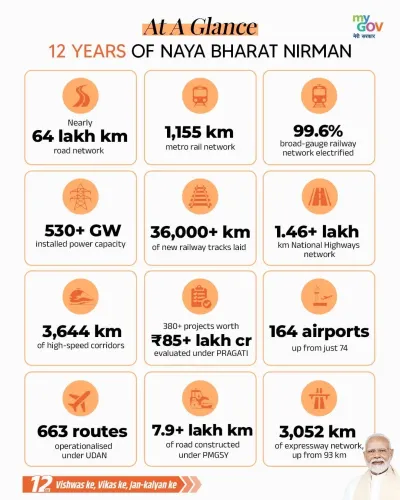
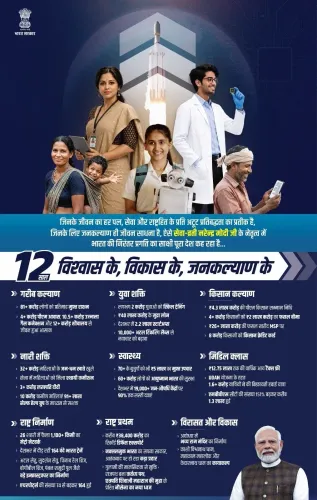
The post is part of a coordinated BJP communication effort marking the 12th anniversary of the Modi government, which took office in May 2014. State-level leaders across BJP-governed states have amplified the anniversary messaging, linking local governance outcomes to central policy achievements.
Policy Backdrop
The schemes referenced in Sharma's post span more than a decade of central government initiatives. The Pradhan Mantri Awas Yojana, launched in 2015, extended affordable housing to urban and rural households, including middle-income groups. The Digital India programme, also launched in 2015, expanded digital infrastructure and e-governance to improve transparent service delivery.
The Ayushman Bharat health insurance scheme, introduced in 2018, brought coverage to lower and middle-income families. The Direct Benefit Transfer system, expanded significantly after 2014, has routed subsidies and welfare payments directly to bank accounts, reducing leakage and improving access for ordinary citizens.
Sharma specifically highlighted that 'today the common citizen is benefiting from better connectivity, transparent services and a convenient lifestyle' — language that maps directly onto the stated objectives of these flagship programmes.
Stakeholders and Impact
The primary beneficiaries cited are middle-class and urban households across India, a demographic that has been a focal point of BJP's electoral and policy messaging since 2014. In Rajasthan, schemes such as Pradhan Mantri Awas Yojana and Digital India have been implemented through state-level machinery under Sharma's administration, which took office in December 2023.
The post's framing — covering housing, health, education, digital empowerment and economic convenience — signals an attempt to consolidate the BJP's image as a party of middle-class uplift ahead of future electoral cycles. The video attached to the post is expected to amplify this narrative across social media platforms.
What's Next
Observers will watch for state budget allocations in Rajasthan that align with the central schemes highlighted in Sharma's post, particularly in housing and digital service delivery. Any new phases of Digital India or expansions of Ayushman Bharat announced at the national level are likely to be echoed swiftly by state BJP leadership as part of the continuing anniversary communication cycle.
The broader pattern suggests that BJP's 12-year governance narrative will remain a central theme in political messaging through the coming months, with middle-class welfare positioned as its cornerstone argument.
Point of View
Health, digital access and economic convenience is deliberate: these are precisely the domains where the party has faced scrutiny over delivery gaps, making proactive framing strategically important. The hashtag-led campaign signals that the 12-year governance milestone will be a sustained electoral asset, not a one-day event. For the middle class — a swing constituency — this messaging battle is far from over.
NationPress
19 Sept 2026
Frequently Asked Questions
What did Rajasthan CM Bhajan Lal Sharma say about PM Modi's government?
Sharma credited PM Modi's 12-year government with giving the middle class new direction through policies on housing, health, education, digital empowerment and economic access, posting under #12YearsOfSakshamMiddleClass on 15 June 2026.
What is #12YearsOfSakshamMiddleClass?
#12YearsOfSakshamMiddleClass is a BJP hashtag campaign marking 12 years of the Modi government since May 2014, with state leaders highlighting welfare schemes that benefited middle-income families.
Which central government schemes did Bhajan Lal Sharma refer to?
Sharma's post referenced areas covered by schemes such as Pradhan Mantri Awas Yojana for housing, Ayushman Bharat for health, Digital India for connectivity and the Direct Benefit Transfer system for economic access.
When did the Modi government complete 12 years in office?
The Modi government completed 12 years in office in May 2026, having first taken charge in May 2014 after the BJP's general election victory.
What is Bhajan Lal Sharma's role in Rajasthan?
Bhajan Lal Sharma is the Chief Minister of Rajasthan and a BJP leader who took office in December 2023 following the party's victory in the state assembly elections.