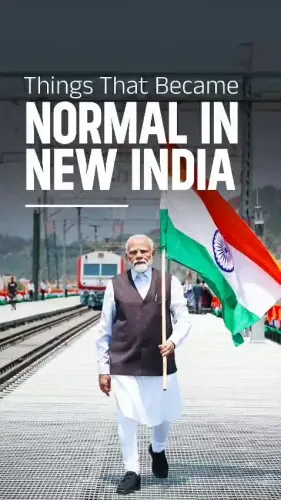
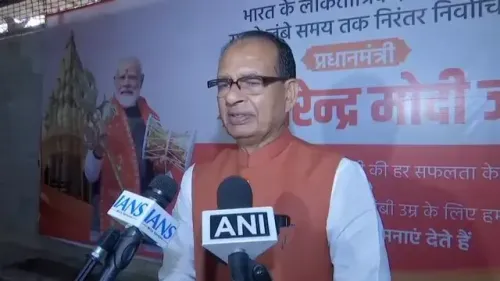
Shivraj hails 12 years of infra transformation under Modi
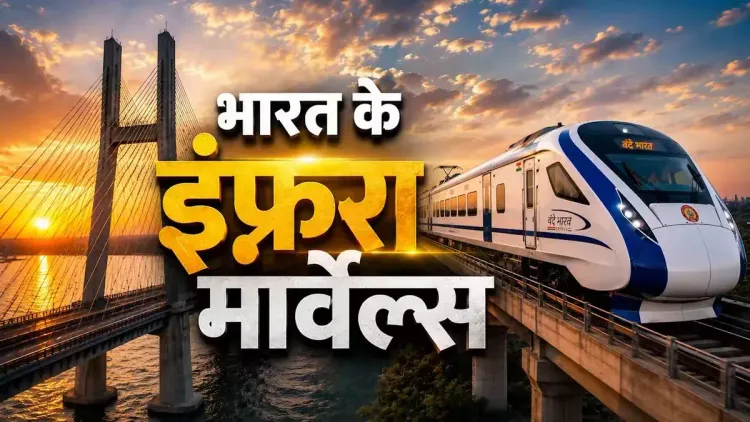
Synopsis
Union Agriculture Minister Shivraj Singh Chouhan on 16 June 2026 praised 12 years of infrastructure transformation under PM Modi, highlighting the Chenab Bridge, the Bairabi-Sairang rail link, FASTag, highway expansion, and Dedicated Freight Corridors as pillars of a connected, self-reliant India.
Key Takeaways
Union Agriculture Minister Shivraj Singh Chouhan posted on 16 June 2026 marking 12 years of infrastructure development under PM Narendra Modi .
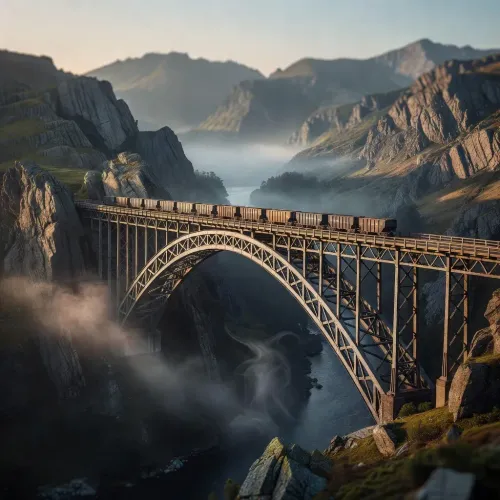
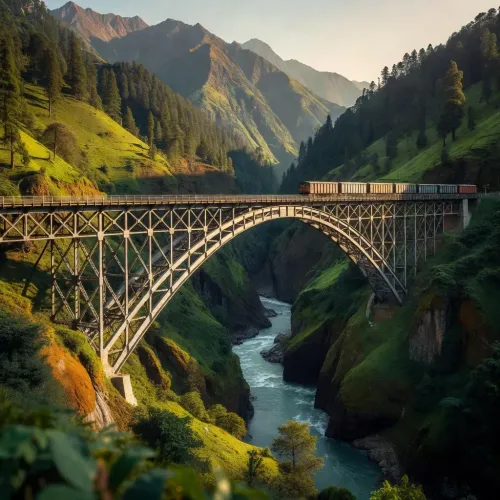
The Chenab Bridge — the world's highest railway arch bridge — is cited as a symbol of modern India's engineering ambition in Jammu and Kashmir .
The Bairabi-Sairang Rail Project aims to connect Mizoram to the national railway network for the first time via broad gauge.
FASTag , mandated on national highways since December 2019 , and Dedicated Freight Corridors are highlighted as logistics-efficiency milestones.
The post is part of a coordinated BJP campaign under #12YearsOfNayaBharatNirman marking a decade-plus of the Modi government.
Remaining Dedicated Freight Corridor sections and the Bairabi-Sairang completion timeline remain key infrastructure benchmarks to watch.
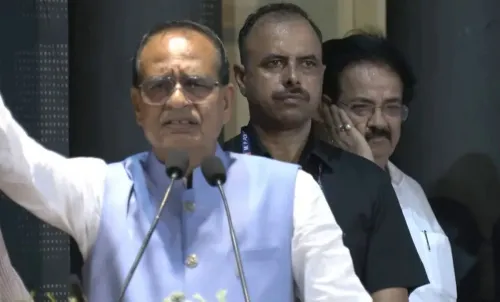
Union Agriculture Minister Shivraj Singh Chouhan on Tuesday, 16 June 2026 credited Prime Minister Narendra Modi's decade-plus tenure with delivering an 'unprecedented transformation' in India's infrastructure, pointing to landmark rail projects and highway expansion as markers of a new national identity.
Posting under the hashtag #12YearsOfNayaBharatNirman, Chouhan wrote — 'aadarniya Pradhan Mantri Shri Narendra Modi ji ke netritva mein pichle 12 varshon mein Bharat ke buniyadi dhancha ne abhutpurva parivartan dekha hai' — ('Under the respected Prime Minister Shri Narendra Modi's leadership, India's infrastructure has witnessed unprecedented transformation in the past 12 years.')
Context
The post marks what the ruling Bharatiya Janata Party is framing as 12 years since Narendra Modi assumed office in May 2014. Senior ministers have been amplifying a coordinated social-media campaign highlighting infrastructure milestones across sectors.
Chouhan specifically cited two headline projects: the Chenab Bridge — billed as the world's highest railway arch bridge, located on the Udhampur-Srinagar-Baramulla Rail Link in Jammu and Kashmir — and the Bairabi-Sairang Rail Project, which aims to connect Mizoram with the national railway network for the first time.
Policy Backdrop
The infrastructure push Chouhan references draws on several interlocking programmes. The Bharatmala Pariyojana, launched in 2015, accelerated national highway construction and expressway development across the country. FASTag, the radio-frequency identification-based electronic toll system, was made compulsory on all national highways from December 2019 and has since become a standard feature of highway travel.
Railway electrification — pursued with a 100 per cent target after 2014 — and the Dedicated Freight Corridors separating goods trains from passenger lines are the two other pillars Chouhan highlighted. The Eastern and Western Dedicated Freight Corridors were among the first to be developed, with the broader project formally approved as far back as 2006 but gaining significant construction momentum after 2014.
Together, these initiatives form part of the government's stated objective to lower logistics costs, improve regional integration of the Northeast and Jammu and Kashmir, and support multimodal freight movement — goals embedded in both the Atmanirbhar Bharat and Viksit Bharat frameworks.
Stakeholders and Impact
Residents of Mizoram and the broader Northeast stand to gain most directly from the Bairabi-Sairang link, which would give the state its first broad-gauge rail connection to the rest of the country, reducing dependence on road transport through difficult terrain. Similarly, all-weather rail access to the Kashmir Valley via the Chenab Bridge has long been a strategic and economic priority.
For the logistics industry, the combination of Dedicated Freight Corridors and FASTag-enabled highways promises faster turnaround times and lower costs — factors that directly affect the price of goods for ordinary consumers. Highway users across the country have already experienced the shift to cashless tolling since FASTag became mandatory.
What's Next
The status of remaining Dedicated Freight Corridor sections and any fresh targets in the next Railway Budget or National Infrastructure Pipeline review will be closely watched by the logistics sector and state governments. The Bairabi-Sairang project's completion timeline remains a key benchmark for the government's Northeast connectivity commitments.
Chouhan closed his post with a forward-looking note — 'Viksit, saksham aur aatmavishwasi Bharat ke nirman ki yeh yatra nirantar aage badh rahi hai' — ('The journey of building a developed, capable and confident India continues to move forward') — signalling that the infrastructure narrative will remain central to the party's messaging through the coming political cycle.
Point of View
Visible projects — the Chenab Bridge and the Northeast rail link — the party moves beyond abstract development claims to specific, photographable milestones. The coordinated hashtag #12YearsOfNayaBharatNirman signals a top-down messaging exercise that will likely intensify as the government approaches the mid-point of its third term. For the opposition, the challenge lies in contesting the pace and equity of these projects rather than the projects themselves, given their broad cross-regional appeal.
NationPress
20 Sept 2026
Frequently Asked Questions
What is the Chenab Bridge and why is it significant?
The Chenab Bridge is the world's highest railway arch bridge, located on the Udhampur-Srinagar-Baramulla Rail Link in Jammu and Kashmir. It is designed to provide all-weather rail connectivity to the Kashmir Valley, a long-standing strategic and economic priority for India.
What is the Bairabi-Sairang Rail Project?
The Bairabi-Sairang Rail Project is a broad-gauge rail link under construction to connect Mizoram's capital Aizawl with India's national railway network via Bairabi, which would give the state its first direct rail connection to the rest of the country.
What is FASTag and when did it become compulsory?
FASTag is a radio-frequency identification based electronic toll collection system that enables cashless passage at toll plazas on national highways. It was made mandatory for all vehicles on national highways from December 2019.
What are India's Dedicated Freight Corridors?
Dedicated Freight Corridors are special-purpose rail lines built to separate goods trains from passenger traffic, improving speed and capacity for freight movement. The Eastern and Western Dedicated Freight Corridors were the first to be developed, with the project formally approved in 2006 and gaining momentum after 2014.
What is the #12YearsOfNayaBharatNirman campaign?
#12YearsOfNayaBharatNirman is a BJP social-media campaign marking 12 years since Narendra Modi assumed office as Prime Minister in May 2014, with senior ministers highlighting infrastructure, welfare and governance milestones from the period.